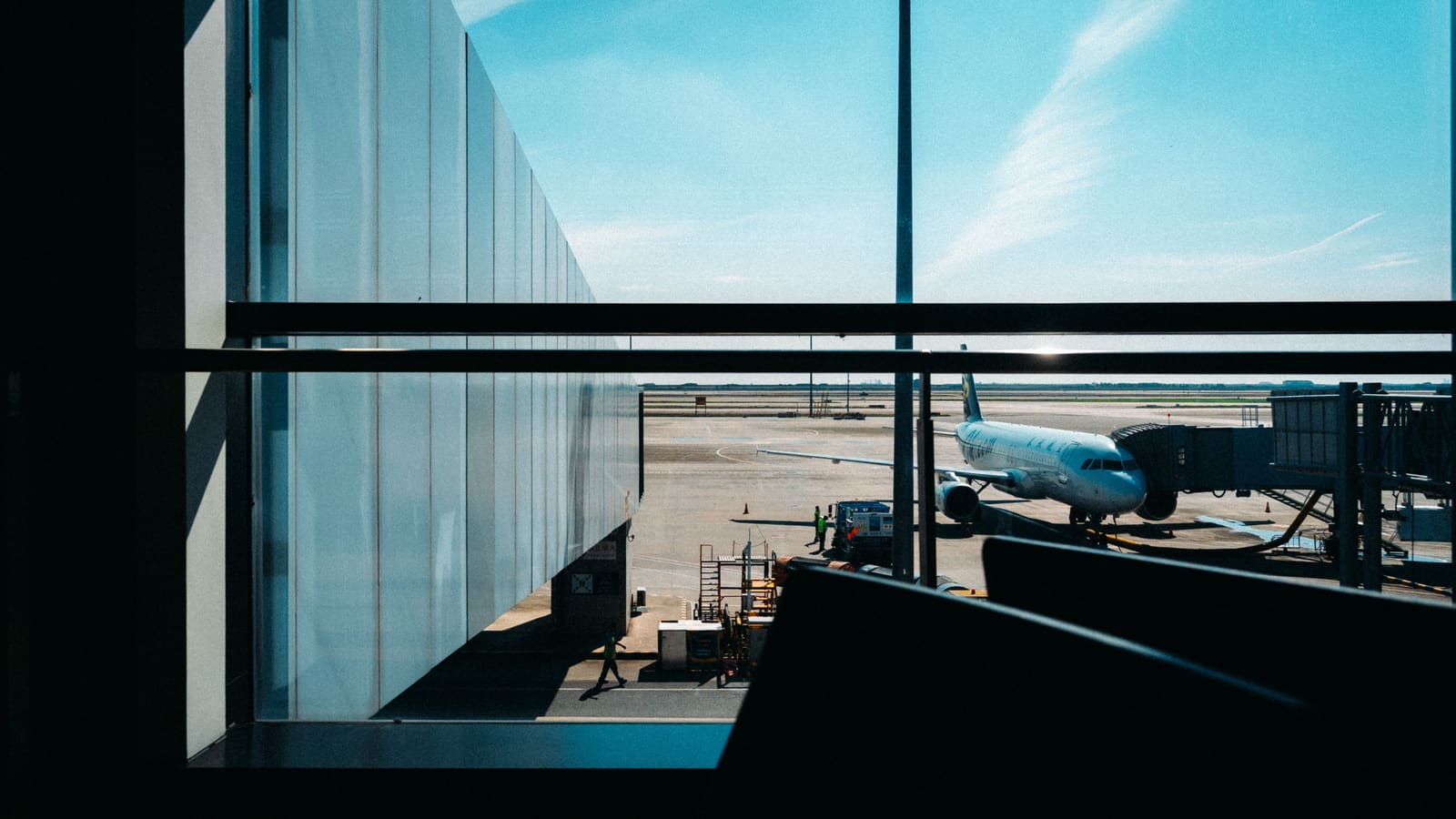
Lisbon Airport Bears the Brunt
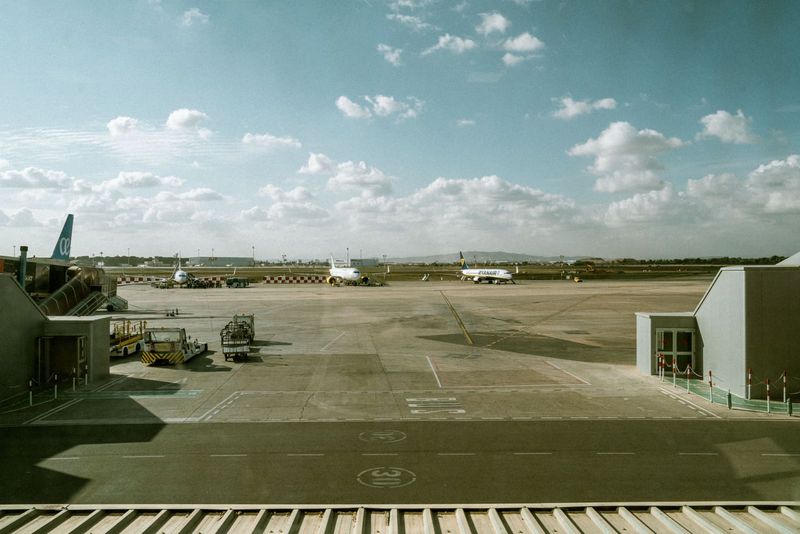
Storm Charles swept through Portugal on 11 November, grounding air travel at the country's four main airports. Lisbon's Humberto Delgado Airport faced the heaviest disruption, with carriers scrapping 288 of the day's 565 scheduled movements before the first departure, according to ANA Aeroportos de Portugal. Another 22 flights were axed during the morning as conditions worsened.
Madeira saw 20 of its 80 scheduled services cancelled ahead of time, with two more dropped as the day progressed. Faro lost 14 flights before operations began and two more later. Porto, handling 214 scheduled movements, recorded 12 pre-emptive cancellations but no further disruption once the day was under way.
The scale of the cancellations left thousands of travellers stranded or scrambling to rebook. TAP Air Portugal, the country's flag carrier, told passengers who had purchased tickets by 10 November and were due to travel on 11 November that they could switch to any flight through 17 November at no extra charge, provided they stayed in the same cabin class. The airline said it had already adjusted its timetable in line with weather forecasts and would continue to prioritise safety.
Red Warnings Across Half the Country
Portugal's Instituto Português do Mar e da Atmosfera issued red and orange alerts for rain and wind across much of the mainland and the Madeira archipelago. At the peak of the storm, red warnings covered more than half of the country. By mid-afternoon, only the Algarve in the south remained under a red alert, and that was lifted later in the day.
Wind speeds topped 120 kilometres per hour in some areas, while Madeira had already endured gusts of 130 kilometres per hour when the storm struck the island a day earlier. The combination of heavy rain and sustained winds raised the risk of flooding, landslides and falling trees.
The government's response was sweeping. Around 8,000 schools cancelled classes, courts suspended hearings, monuments closed their doors and non-essential public services shut down. Streets in Lisbon and other cities were largely empty as residents heeded official advice to stay indoors. The Web Summit technology conference, which had drawn roughly 70,000 attendees to Lisbon, cancelled its programme for the day.
A Second Storm in Less than a Week
Storm Charles arrived only days after Storm Bruna, which the Portuguese weather service had named on 5 November. Bruna brought its own bout of strong winds, heavy rainfall and rough seas, causing dozens of flight cancellations in Madeira. The back-to-back weather systems have tested the resilience of Portugal's aviation network and its preparedness for extreme weather.
The rapid succession of storms also underscores a broader pattern. Atlantic storm systems have become more frequent visitors to the Iberian Peninsula in recent years, and the disruption they cause to air travel is no longer a rare event. For airlines operating in and out of Portugal, building flexibility into schedules and rebooking policies has become a necessary response to the increased volatility.
Lessons from Storm Kristin
The government's decision to close schools and public services reflects lessons learned from Storm Kristin, which struck central Portugal in January. Kristin toppled thousands of trees and caused extensive property damage, but the official response was widely criticised as inadequate. Interior Minister Luís Neves defended the more aggressive stance taken this time, telling reporters that Portugal needed to move beyond a reactive posture. He argued that waiting for a disaster to unfold before taking action was no longer acceptable.
The shift in approach is significant. By issuing a nationwide state of alert and shutting down non-essential services ahead of the storm's arrival, authorities aimed to minimise risk to life and reduce the scale of damage. The state of alert ended on Wednesday night and was not extended, suggesting officials were satisfied with the outcome.
Still, the cost of such measures is not trivial. Closing schools disrupts families, shutting courts delays legal proceedings, and grounding flights leaves airlines and passengers facing financial and logistical headaches. The challenge for governments is to calibrate the response so that it is proportionate to the threat, without either underreacting or creating unnecessary disruption.
What Travellers Should Know
The UK Foreign, Commonwealth and Development Office issued a warning for British nationals in or travelling to Portugal, highlighting the risk of heavy rain, strong winds and dangerous coastal conditions across the mainland, Madeira and Porto Santo. The advisory noted that the weather could lead to flooding, landslides, falling trees and travel disruption, and urged travellers to follow local guidance.
ANA Aeroportos de Portugal warned that forecast conditions could continue to affect departures and arrivals in the days following the storm. It advised passengers to confirm their flight status with their airline before heading to the airport. For those planning trips to Portugal in the coming weeks, checking MeteoAlarm for updated weather warnings and reviewing official guidance on severe weather preparedness is prudent.
Travellers caught in the disruption face a familiar dilemma. Rebooking onto the next available flight can mean waiting days, especially during busy travel periods or when multiple carriers are affected. Travel insurance that covers weather-related disruption can ease the financial burden, but policies vary widely in what they cover and under what conditions.
The Bigger Picture for Portuguese Aviation
Portugal's aviation sector has grown rapidly over the past decade, driven by tourism and the country's appeal as a hub for transatlantic connections. Lisbon's Humberto Delgado Airport handled more than 33 million passengers in 2019, and traffic has been climbing back towards that level after the pandemic. Faro serves millions of holidaymakers heading to the Algarve each year, while Porto is a key gateway to the north. Madeira, with its rugged terrain and often challenging weather, has long been a test for pilots and airport operators alike.
The increase in traffic has made the network more vulnerable to disruption. A single day of cancellations at Lisbon can ripple through schedules for days, affecting connections across Europe, Africa and the Americas. Airlines have some tools at their disposal, such as positioning spare aircraft and crews, but weather events of this scale leave little room for manoeuvre.
Portugal's experience with Storm Charles and Storm Bruna will likely inform how the country prepares for future weather events. Improved forecasting, better communication with airlines and the travelling public, and more flexible operational protocols can all help reduce the impact. But there is no escaping the fact that when a red weather warning is issued, the safest option is often to keep aircraft on the ground and people at home.
The nationwide shutdown on 11 November was disruptive, but it was also a calculated effort to avoid the kind of damage and criticism that followed Storm Kristin. Whether that balance has been struck correctly will be debated, but for now, Portugal's airports are working to clear the backlog and get travellers moving again.