A New Waterway for Overnight Passengers
American Cruise Lines has started operating the first overnight passenger sailings on the Arkansas River, opening a waterway that had not previously been used for multi-day cruises. The inaugural nine-day voyage departed on 8 November aboard the Mississippi riverboat American Serenade, with demand strong enough that the first two scheduled departures sold out shortly after they were made available in late 2025.
The Arkansas River is a tributary of the Mississippi, and whilst it has long carried commercial traffic, it has posed challenges for larger passenger vessels. American Cruise Lines is currently the only operator running extended itineraries on this waterway, a reflection of both the navigational complexity and the relatively untested market for leisure cruising in this part of the United States.
The company has positioned the new route as a way to explore less-visited parts of the American Midwest, an area that tends to receive less attention from domestic and international travellers compared with coastal regions or the main stem of the Mississippi. The itineraries connect Tulsa in Oklahoma with Little Rock in Arkansas, with intermediate stops at Muskogee, Fort Smith and Dardanelle. A separate routing links Memphis in Tennessee with Tulsa.
What the Itinerary Offers
Shore excursions are built around local culture and landscape. In Little Rock, passengers join guided walks through the state capital. Tulsa features Art Deco architecture tours, a nod to the city's oil-boom heritage. A scenic railway journey through the Boston Mountains is included, and in Muskogee, programming centres on the town's musical history, including the backstory to the 1969 country song "Okie from Muskogee."
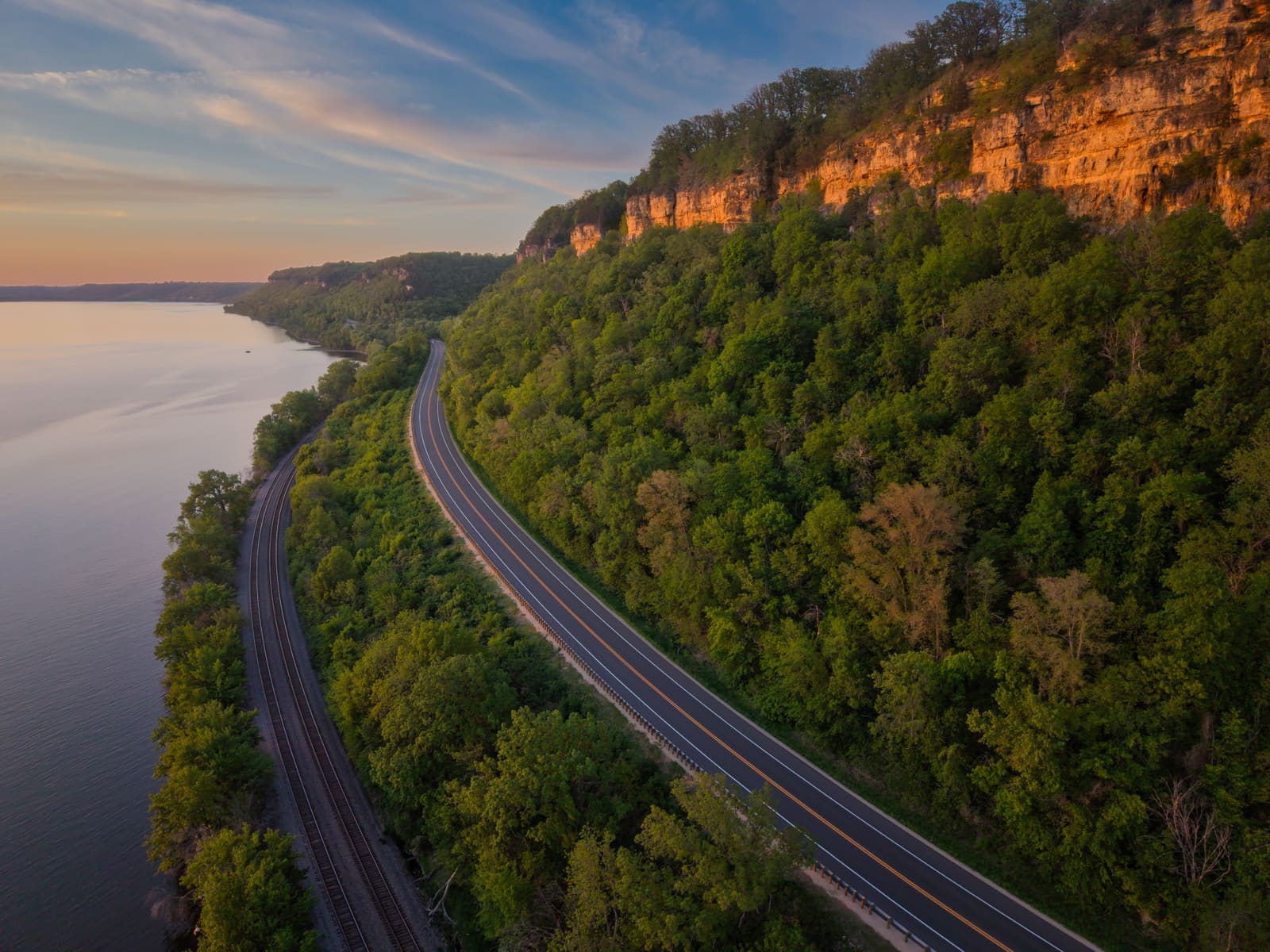
The landscape itself is part of the draw. The Arkansas River corridor runs through farmland, forested bluffs and limestone cliff formations, a quieter visual experience than the more heavily developed stretches of other major American rivers. For travellers who have already sailed the Mississippi or the Columbia, this represents a different slice of the country's interior geography.
American Cruise Lines has scheduled two departures for May 2027 and four more in November of the same year. In 2028, the number of sailings more than triples, with departures planned for March, April, May, October, November and December. Fares begin at 5,635 US dollars, equivalent to approximately 4,246 British pounds at current exchange rates.
Vessel and Onboard Experience
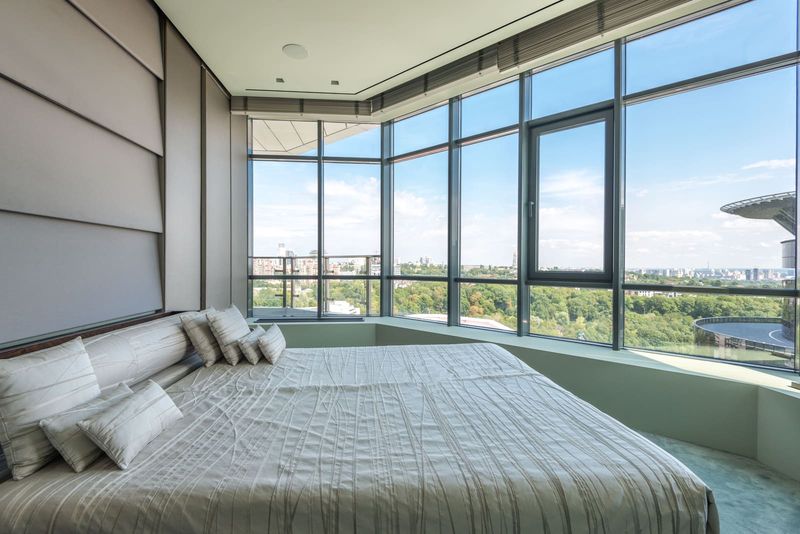
Three vessels will rotate on the Arkansas routes: American Serenade, American Symphony and American Melody. Each accommodates up to 180 passengers and is designed with large balcony cabins, a sun deck and a central multi-storey atrium featuring live grass, an unusual design element for river cruise ships.
Common areas include four lounges, a study, a fitness room and two dining spaces: an indoor restaurant with floor-to-ceiling windows and an aft dining area. The layout is intended to maximise river views, a priority on itineraries where the scenery changes gradually and passengers spend extended periods aboard.
River cruise ships of this size occupy a middle ground in the American market. They are larger than the small expedition vessels that ply niche routes but smaller than ocean-going cruise ships, which cannot navigate shallow or narrow inland waterways. The Arkansas River presents particular depth and width constraints, limiting the size of vessels that can operate there safely and economically.
Why This Route Matters
The expansion onto the Arkansas River is part of a broader pattern in American river cruising, where operators are seeking new itineraries to serve a growing base of repeat passengers. Charles B. Robertson, president and chief executive of American Cruise Lines, noted the strong response from guests who had previously sailed with the company, indicating that demand exists for new domestic routes beyond the handful of rivers that have traditionally hosted overnight cruises.
The ports involved have welcomed the new service. Little Rock, Tulsa, Van Buren, Dardanelle and Muskogee all stand to benefit from the influx of passengers, who typically spend several hours ashore at each stop. For smaller cities along the route, particularly those without major airports or interstate highway access, river cruise passengers represent a source of tourism revenue that would otherwise be difficult to capture.
The success of the initial sailings suggests that American travellers are willing to explore parts of their own country that lie outside the usual tourist circuits. The Midwest, often bypassed in favour of coastal destinations or national parks, has fewer international visitors than other regions, and domestic tourism has historically been concentrated in a handful of gateway cities. River cruising offers a way to reach secondary markets without the infrastructure demands of building hotels or expanding airports.
Competitive Landscape
American Cruise Lines is the sole operator offering extended voyages on the Arkansas River, though the company faces competition on the Mississippi itself, where Viking also runs itineraries. The decision to pioneer a new waterway rather than add capacity to an existing route reflects a calculation that differentiation matters more than scale in this market.
River cruising in the United States has grown over the past decade, but it remains a niche compared with European river cruising, where the Rhine, Danube and other major waterways host dozens of operators and hundreds of vessels. The American market is constrained by geography: fewer navigable rivers, greater distances between cities and a domestic travel culture that has historically favoured road trips and air travel over water-based journeys.
The Arkansas River itineraries may appeal particularly to older travellers and those with mobility constraints, as river cruises eliminate the need for frequent hotel changes and long drives between destinations. The all-inclusive pricing model, which bundles accommodation, meals and excursions, also simplifies trip planning, a factor that resonates with travellers who prefer structured experiences over independent exploration.
Looking Ahead
The rapid sell-out of the first departures and the subsequent expansion of the schedule into 2028 indicate that American Cruise Lines expects sustained demand. However, the long-term viability of the route will depend on whether the novelty of a new waterway translates into repeat bookings and whether the company can attract first-time river cruisers in addition to its existing customer base.
The Arkansas River remains a logistical challenge. Water levels fluctuate seasonally, and the river's infrastructure was built primarily for barge traffic, not passenger vessels. Any operational disruptions, whether from weather, mechanical issues or navigational difficulties, could affect the company's ability to maintain the schedule as planned.
For now, the launch represents a test of whether there is room for further geographic expansion in American river cruising. If the Arkansas proves commercially successful, other tributaries and lesser-known waterways may follow, reshaping the map of where and how Americans travel within their own borders.