Ten Minutes From Empty
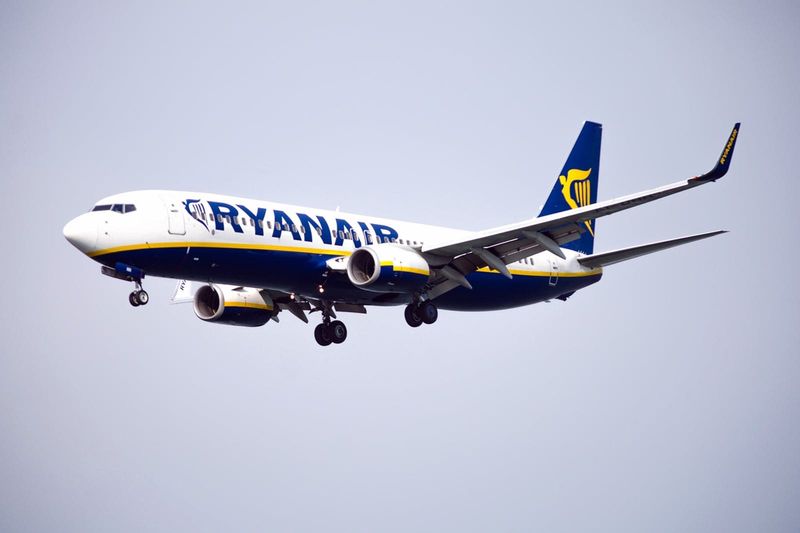
A Ryanair flight from Pisa to Scotland landed at Manchester Airport with roughly ten minutes of fuel remaining after a series of aborted landings stretched a routine journey to nearly four and a half hours, according to a report from the Air Accident Investigations Branch.
The Boeing 737, carrying 171 passengers and six crew, touched down on 3 October 2025 with 363 kg of fuel in its tanks - well below the required final reserve of 1,101 kg. By the time the engines shut down after taxiing, just 240 kg remained. For context, a 737 burns through 363 kg in roughly ten minutes of flight.
The incident unfolded as Storm Amy lashed the UK with gale-force winds reaching 92 mph and prolonged rainfall, creating turbulent conditions across multiple airports in Scotland and northern England.
A Day of Diversions
The flight had been scheduled to depart Pisa at 2:15 pm local time, bound for Prestwick Airport near Glasgow. Aware of the storm forecast, the crew loaded extra fuel and planned to use Prestwick's shorter runway, which was less exposed to crosswinds. Manchester was identified early on as a potential alternative if conditions worsened.
After a delay of nearly 90 minutes, the aircraft departed Italy without incident. Trouble began on approach to Prestwick, where surface winds were gusting to 52 mph. At 264 feet above the ground, the cockpit filled with a two-tone siren and automated voice alerts: "WINDSHEAR, WINDSHEAR, WINDSHEAR." The crew executed an escape manoeuvre and circled back for a second attempt.
The second approach felt smoother to the pilots, but another windshear warning forced them to abort again. Air traffic control then informed them that a third missed approach would mean an immediate diversion to Manchester.
The Refusal That Changed Everything
After the second failed landing, the crew requested clearance to divert to Manchester. The request was denied, with no explanation provided. That refusal proved critical: the crew then asked to divert to Edinburgh instead, a request that took five minutes to approve. During the wait, the pilots discussed declaring a mayday to force acceptance at Manchester but decided their fuel situation did not yet meet the emergency threshold.
Edinburgh offered no reprieve. A third windshear event forced another aborted landing. By this point, the aircraft was already 700 kg below the fuel level required to land within the final reserve. The commander declared "MAYDAY MAYDAY MAYDAY FUEL" and set course for Manchester.
The investigators noted that the crew did not consider closer options such as Newcastle, despite being under severe fuel pressure. The report attributed this in part to stress and high workload, as well as the crew's initial preference for Manchester as their alternate airport - a bias that may have narrowed their decision-making in the moment.
Communication Breakdown
The Air Accident Investigations Branch concluded that a breakdown in communication at Manchester Airport led to the initial refusal of the diversion request. According to airport policy, diversions should be accepted if capacity exists, and the decision does not rest with the handling agent. Yet somewhere in the chain of communication, that policy was not followed.
Following the incident, Manchester Airport reminded stakeholders of its procedures and clarified that handling agents do not hold veto power over emergency diversions.
The report also noted that while the crew had prepared thoroughly - reviewing storm information issued by Ryanair the day before and receiving email reminders on the day of the flight - the cascading series of events pushed them into a situation where another go-around would likely have been impossible.
What It Means for Contingency Planning
The incident raises questions about decision-making under pressure, particularly when crews become anchored to a preferred alternate airport. Investigators emphasised that while Manchester was the crew's first choice from the outset, that preference may have influenced their reluctance to consider closer airports once fuel became critical.
The case also highlights the importance of clear communication protocols between air traffic control, airport operations, and handling agents - especially during severe weather events when multiple aircraft may be seeking diversions simultaneously.
Storm Amy disrupted dozens of flights across the UK that day, but this was among the few that came so close to exhausting fuel reserves. The aircraft landed safely, and no injuries were reported. Still, the margin was thin enough to warrant a formal investigation and a reminder that contingency plans must remain flexible, even when conditions deteriorate faster than anticipated.