A Narrow Margin
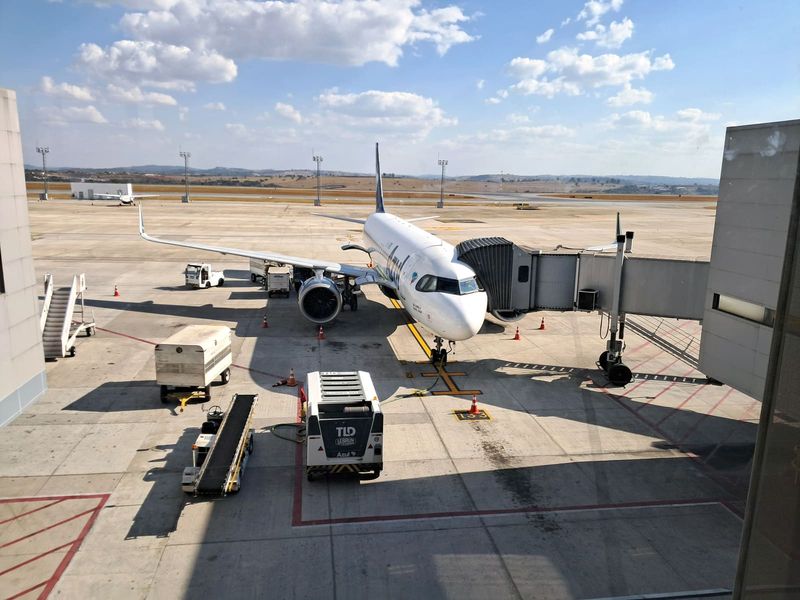
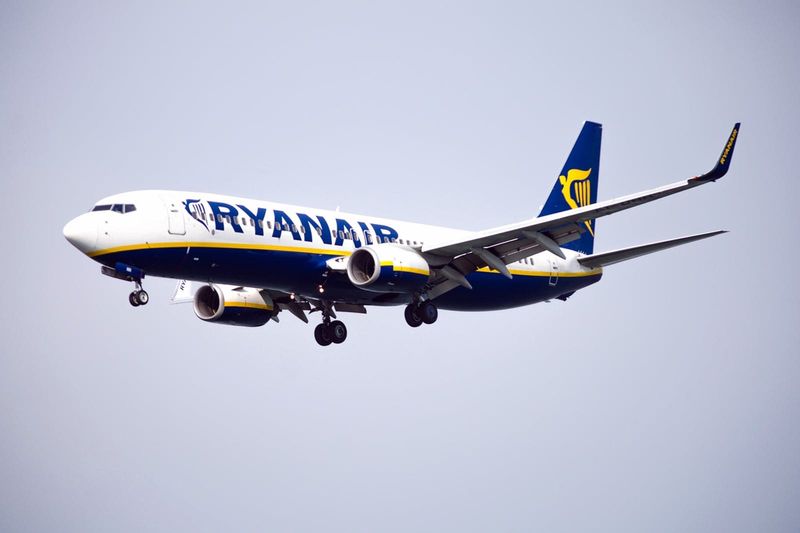
On 3 October 2025, a Ryanair Boeing 737-800 touched down at Manchester Airport with 363 kg of fuel in its tanks. The flight had left Pisa International Airport in Italy bound for Glasgow Prestwick with 171 passengers and six crew members. By the time the aircraft taxied to its gate and shut down its engines, just 240 kg remained. According to the UK's Air Accidents Investigation Branch (AAIB), the aircraft should have landed with around 1,100 kg, its required final reserve. The event has been classified as a serious incident.
The flight, FR3418, had departed with extra fuel to account for Storm Amy, which was bringing gale-force winds and heavy rain across Scotland and northern England. What the crew did not anticipate was a series of failed approaches, a refused diversion, and a communications breakdown that would push them into declaring a mayday.
Three Attempts, Three Warnings
As the aircraft approached Prestwick, turbulent conditions forced the pilots to abandon the landing. At 264 feet, a windshear warning sounded. The crew climbed away and prepared for a second attempt. That approach ended the same way: another windshear alert, another go-around.
The pilots then asked to divert to Manchester Airport, which they had already selected as their preferred alternative due to better weather. The request was refused. Instead, the aircraft was sent to Edinburgh.
The AAIB report points to a breakdown in communication at Manchester. Airport policy required that diversion requests be accepted when capacity allowed, but the decision was incorrectly deferred to the aircraft's handling agent. The crew, already managing high workload and fuel concerns, was forced to continue to Edinburgh.
Conditions there were no better. A third windshear warning forced yet another aborted landing. Fuel reserves were now critically low.
A Mayday Call
The commander decided to head to Manchester. By this point, calculations showed the aircraft would arrive with far less than the required reserve. The crew declared a mayday fuel emergency and requested immediate clearance.
The aircraft landed safely. No injuries or damage were reported. But the margin was slim. The AAIB noted that the crew did not consider closer alternatives such as Newcastle Airport once they turned towards Manchester. Investigators concluded that the aircraft likely would not have had enough fuel to perform another go-around.
What Went Wrong
The report highlights two key issues. The first is operational: the crew faced mounting stress as fuel dwindled and weather refused to cooperate. The second is systemic: Manchester Airport's handling of the diversion request did not align with its own procedures.
Following the incident, Manchester Airport reminded stakeholders that diversion requests should be accepted when capacity exists and that the decision does not rest with handling agents. The clarification suggests the miscommunication was not an isolated lapse but a gap in how protocol is understood and applied.
Storm Amy was a known factor. The crew had planned for it. What they could not plan for was a refusal that sent them further from their destination, into conditions that mirrored the ones they were trying to escape.
A Broader Context
Fuel emergencies are rare but not unheard of. They typically result from a combination of weather, operational decisions, and sometimes, as in this case, communication failures on the ground. The AAIB's classification of the event as serious reflects the narrow margin between a safe landing and a potential disaster.
For passengers, the experience would have been tense but likely not alarming. Windshear warnings and go-arounds are unsettling but standard procedures. The mayday declaration, however, signals that the situation had moved beyond routine difficulty into territory where options were running out.
The incident also raises questions about how airports manage diversion traffic during severe weather. When multiple flights are seeking alternatives simultaneously, the system depends on clear protocols and quick decision-making. A refusal based on miscommunication, even if later corrected, can cascade into a critical situation.
After the Landing
Ryanair has not publicly commented on the incident beyond cooperating with the investigation. The AAIB report does not assign blame but lays out the sequence of events and identifies where procedures broke down.
For the 177 people on board, the flight ended safely. But the 363 kg of fuel that remained represents roughly ten minutes of flying time, a reminder of how quickly margins erode when weather, workload, and communication all push in the same direction.