The Turnaround
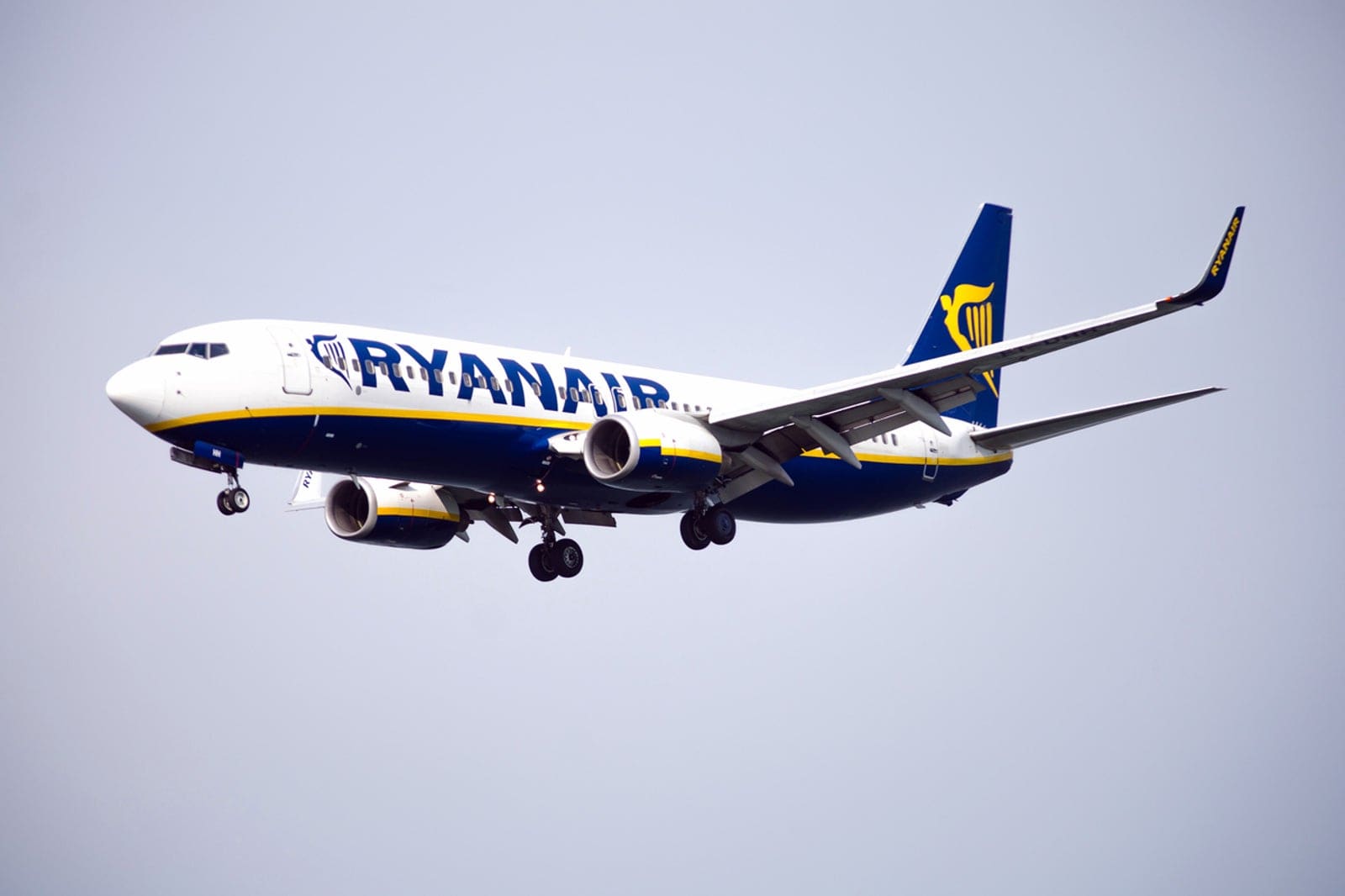
A Ryanair flight bound for Dublin reversed course 15 minutes after leaving Porto on 22 September, landing back at Francisco Sá Carneiro airport roughly half an hour after departure. The Boeing 737, operating as flight FR7073, had been scheduled for a routine two-hour hop to Ireland when crew transmitted squawk code 7500 into the aircraft transponder.
That four-digit code is aviation's universal distress signal for hijacking or unauthorised cockpit intrusion. It alerts air traffic control and security agencies that a flight needs immediate assistance. The transmission triggered the diversion.
Ryanair confirmed the aircraft returned due to what it called a "false security report", though the airline did not detail how or why the code was sent. The plane landed in Porto shortly before 1am, departed again 30 minutes later, and reached Dublin just after 3am. Passengers faced a delay of two hours and 33 minutes.
How Squawk Codes Work
Transponder codes are four-digit identifiers pilots enter to communicate flight status to ground controllers. Most are routine. Three codes are reserved for emergencies: 7500 for hijacking, 7600 for radio failure, and 7700 for general emergencies such as engine trouble or medical crises.
Once 7500 appears on a controller's screen, protocols shift. The flight is monitored closely, and in some cases military or law enforcement assets are mobilised. The system is designed to be fail-safe, but that sensitivity means accidental transmissions can cascade quickly.
Human error is the usual culprit. Pilots work with small keypads under time pressure, often in turbulence or during high-workload phases of flight. A miskeyed digit or an incorrectly set transponder can send the wrong signal.
A Pattern of Mistakes
The Porto incident is not isolated. In July, LOT Polish Airlines flight 155 accidentally transmitted the same hijack code while en route from Warsaw to Tel Aviv. Israeli, Bulgarian, and Turkish air forces scrambled fighter jets in response. The Israeli military cited "lack of contact with the aircraft" before communication was restored.
LOT later attributed the alert to an incorrectly configured transponder, calling it "most likely human error" and launching an investigation. The aircraft, operated by Bulgaria's Electra Airways and carrying 180 passengers, landed safely in Bulgaria.
These episodes highlight a recurring vulnerability in a system that relies on manual input during high-pressure operations. The consequences of a false alarm extend beyond delays: fighter jet scrambles, airspace disruptions, and passenger anxiety all follow.
What It Means for Passengers
False security alerts are rare but not negligible. When they occur, airlines face a balancing act between transparency and operational security. Ryanair's statement was brief, and the carrier did not specify whether the code was transmitted intentionally by crew responding to a perceived threat, or entered by mistake.
For travellers, such diversions are disruptive but generally managed quickly once the error is identified. The Porto flight was back in the air within 30 minutes of landing. Still, the incident underscores how thin the margin is between routine procedure and emergency response in commercial aviation.
As fleets age and cockpit technology evolves unevenly across carriers, the potential for configuration errors remains. Training and checklist discipline are the primary defences, but the human element persists. Until transponder systems incorporate more robust safeguards against accidental entries, occasional false alarms are likely to recur.