Station Closure Stops International Services
A security alert at Calais-Féthun station in northern France brought international rail traffic between Britain and the continent to a halt on Thursday morning. French authorities ordered the temporary closure of the station, preventing trains from passing through the junction that connects London with Paris and Brussels.
The Pas-de-Calais prefecture announced the incident on social media, telling the public that officials were evaluating the situation and advising people to monitor updates from the French national railway operator SNCF. The station sits on a critical stretch of track used by high-speed trains travelling between the UK and mainland Europe.
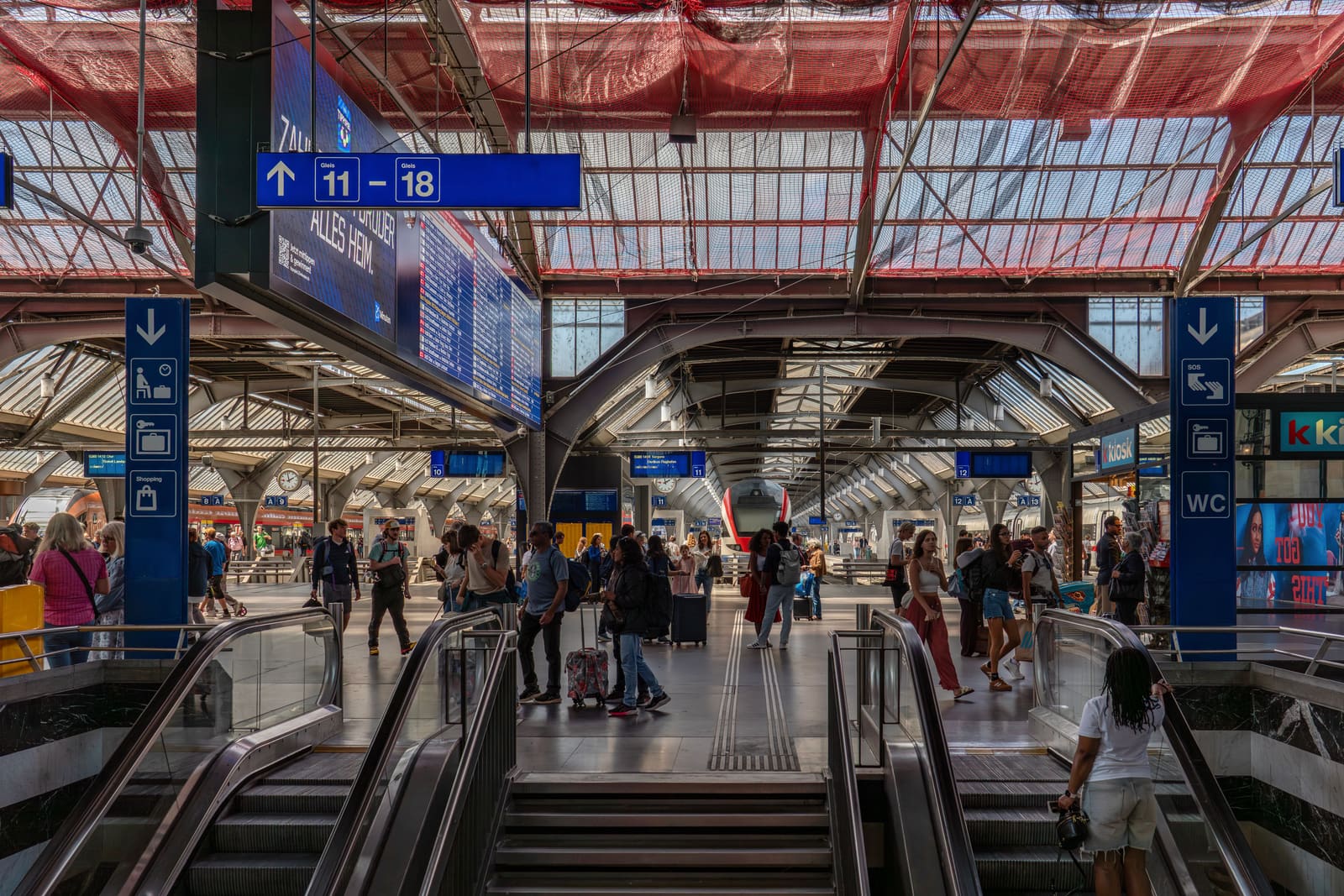
Eurostar confirmed that multiple services running to and from London had been affected. The operator said French authorities had requested that trains bypass Calais-Féthun entirely, forcing the company to delay departures and arrivals at both ends of the route. Passengers waiting at London St Pancras station faced extended wait times as the situation unfolded.
Operations Resume After Hours of Disruption
Rail traffic resumed later the same morning after authorities completed their assessment. The Pas-de-Calais prefect announced that the situation had been verified and that road traffic in the surrounding area was gradually returning to normal. The prefecture did not specify what prompted the alert or whether any device had been found.
Several departures from St Pancras continued to show delays even after the station reopened, as operators worked to clear the backlog of trains that had been held during the closure. Eurostar advised passengers who missed onward connections because of the delays to board the next available service without penalty.
A Vulnerable Choke Point
The incident underscores how a single station can disrupt an entire international corridor. Calais-Féthun is not a passenger terminus but a junction through which all London-bound Eurostar trains must pass after emerging from the Channel Tunnel. There is no alternate route, which means any closure immediately affects the entire network.
For passengers, the disruption arrived without warning. Unlike airport security incidents, where travellers are typically already inside a controlled zone, rail passengers often receive alerts only after they have arrived at the station or are already en route. The lack of real-time updates during the morning left many uncertain whether to wait or make alternative arrangements.
The closure also had knock-on effects beyond Eurostar. Freight trains carrying goods between Britain and the continent use the same infrastructure, and any delay can ripple through supply chains. While the disruption lasted only a few hours, it serves as a reminder of the logistical fragility built into fixed-route transport systems.
A Week of Alerts
The Calais incident was not isolated. Over the past week, multiple bomb threats and hoaxes have been reported across Europe, affecting schools and flights. Thousands of schools in the UK and Italy received threatening messages that later proved to be false. Aviation authorities have also dealt with several diversions and emergency landings triggered by similar alerts.
Security experts note that hoaxes carry real costs. Even when threats turn out to be unfounded, the protocols for responding to them are the same as for genuine incidents. Stations must be evacuated, trains rerouted, and passengers delayed. The cumulative effect on public confidence and operational efficiency can be significant, particularly when incidents cluster in a short period.
French transport authorities have been managing heightened security concerns for years, particularly around high-profile targets such as international rail hubs. The Calais region, as a gateway between Britain and the continent, has long been a focal point for both legitimate security measures and occasional false alarms.
What Passengers Should Know
Travellers using cross-channel rail services face a different set of risks compared to those flying. While airports have multiple runways and can often reroute traffic, the Channel Tunnel and its approach lines offer no such flexibility. A single incident at Calais-Féthun, Lille Europe, or the tunnel itself can shut down the entire route.
Eurostar's policy during disruptions allows passengers to travel on later trains if they miss connections, but compensation eligibility depends on the length of the delay and the cause. Security incidents initiated by authorities typically fall outside standard compensation frameworks, though operators may offer flexibility on rebooking.
For those with tight schedules or onward flights booked from Paris or Brussels, even a two-hour delay can have serious consequences. Travel insurance that covers missed connections can help, but policies vary in how they treat delays caused by security alerts versus mechanical or weather-related issues.
The Broader Picture
The frequency of bomb threats, whether credible or not, raises questions about resource allocation and response protocols. French and British transport police must treat each alert seriously, even when the likelihood of an actual device is low. That means deploying personnel, closing infrastructure, and accepting the disruption as the cost of caution.
At the same time, the public tolerance for repeated false alarms is not infinite. If hoaxes become routine, there is a risk that both passengers and officials may become desensitised, potentially missing genuine threats. Authorities in both countries have increased efforts to trace and prosecute those responsible for false reports, but enforcement remains uneven.
For now, cross-channel rail travellers should build buffer time into their itineraries, particularly when connecting to flights or events with fixed start times. The Calais incident was resolved within hours, but the next alert may not be. The infrastructure that makes London-to-Paris travel possible in just over two hours also makes that journey vulnerable to single points of failure.