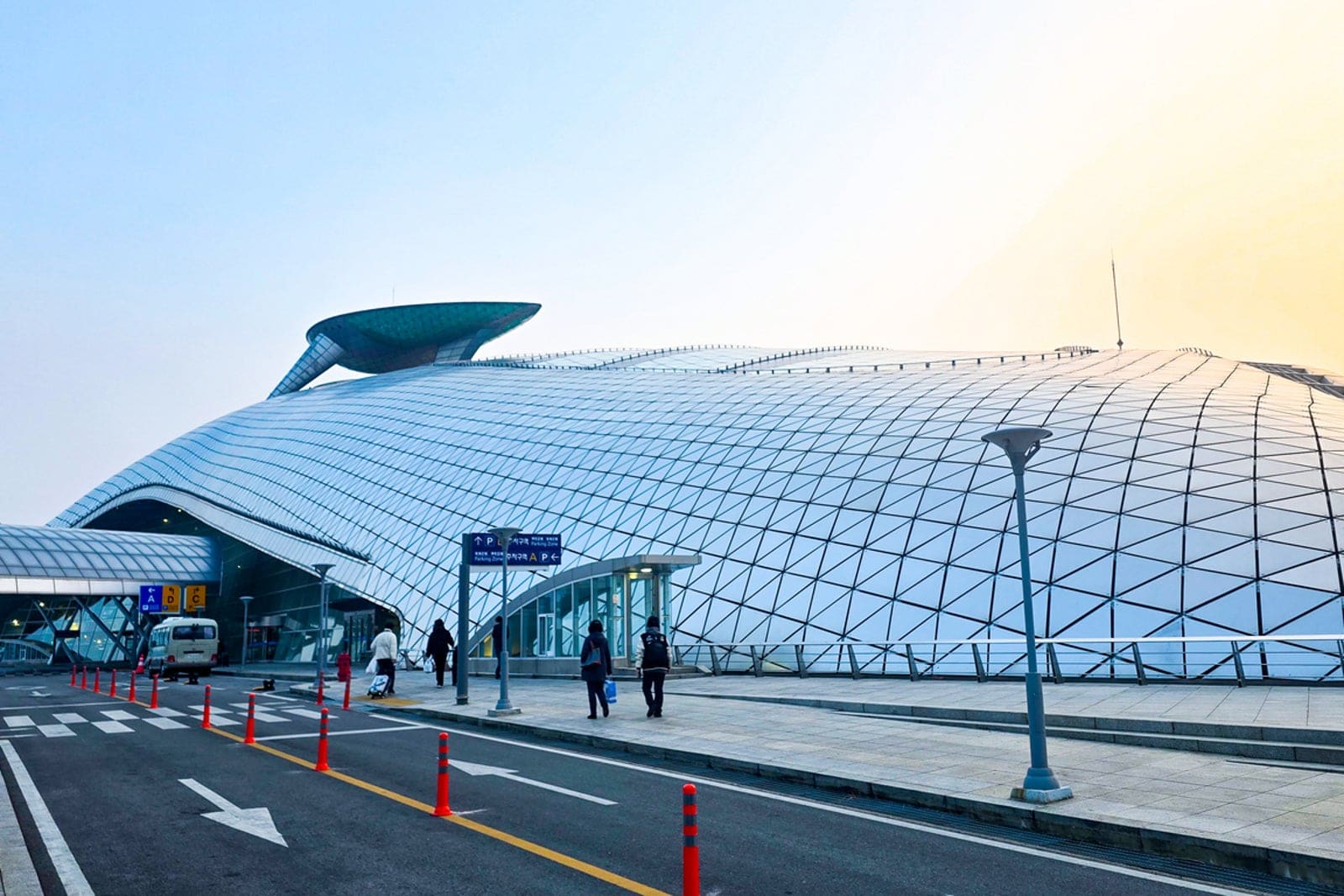
A New Leader in International Traffic
South Korea's Incheon International Airport has moved into first place for international passenger volume, the first time a hub outside Europe or the Middle East has claimed the top spot in recent years. The airport, situated roughly 30 miles west of Seoul, handled 38.4 million international travelers in the first half of this year, according to data from the Airports Council International.
That figure puts it just ahead of London Heathrow, which recorded 37.8 million passengers over the same period. Singapore's Changi Airport came in third with 34.5 million. The margins are narrow, but the shift signals a rebalancing of global air corridors that has been building for months.
Why the Routes Are Changing
Part of Incheon's rise can be traced to geopolitical turbulence. Ongoing tensions involving the United States and Iran have made passengers and airlines more cautious about routing through Middle Eastern hubs. Dubai International, which held second place in full-year tallies for both 2024 and 2025, is now expected to fall outside the top five when the full-year numbers come in.
That redirection has been a boon for Asian airports, and Incheon - with 101 airlines serving 158 international destinations - was well positioned to absorb the traffic. The airport opened in 2001 and has steadily expanded its footprint. A project completed in 2024 lifted annual capacity to 106 million passengers, giving the hub room to accommodate the surge.
Kim Beom-ho, the airport's acting president, attributed the milestone to government backing, public support, and the efforts of staff on the ground. The timing of the expansion and the shift in travel patterns appear to have converged in Incheon's favor.
Heathrow's European Ranking Slips, Too
London isn't just losing ground globally. In July, Heathrow was overtaken by Istanbul Airport as Europe's busiest by total passenger count. Istanbul processed 8.15 million passengers that month, compared with Heathrow's 7.9 million, according to figures released by the Airports Council International.
The data has reignited calls from Heathrow officials for expansion. The airport has been operating at full capacity for some time, and its leadership argues that without additional infrastructure, the UK risks falling further behind in the competition for global connectivity. A consultation on expansion plans was launched in June, outlining the conditions under which a new runway or terminal project might proceed.
The case for expansion hinges on economic arguments - more capacity, more routes, more growth - but it also reflects a broader anxiety about relevance. Istanbul's rise is not just about passenger numbers; it is about Turkey positioning itself as a bridge between Europe, Asia, and the Middle East, a role that Heathrow has long played for the UK.
What It Means for Travelers
For passengers, the reshuffling of airport rankings is less about prestige and more about options. Incheon's expanded capacity means more flight choices and potentially more competitive fares on routes through Seoul. The airport has invested heavily in passenger experience, with efficient transfers and a reputation for smooth operations, which has made it a preferred connection point for travelers moving between North America and Asia.
Istanbul's growth, meanwhile, reflects Turkish Airlines' aggressive expansion and the airport's geographic advantage. For European travelers, it offers a growing number of onward connections to the Middle East, Africa, and Asia - often at prices that undercut legacy carriers.
Heathrow, by contrast, is constrained. Its two runways are among the busiest in the world, but without a third, the airport cannot meaningfully increase flights. That limitation affects not just total passenger numbers but also the diversity of routes and the ability to compete on frequency.
The Bigger Picture
The shift at the top of the international passenger rankings is a snapshot of broader changes in global aviation. Asian hubs are expanding capacity at a pace that European and North American airports struggle to match, often due to regulatory, environmental, or political hurdles. Middle Eastern airports, which dominated the conversation a decade ago, are now contending with volatility that makes long-term planning difficult.
For Seoul, the milestone is validation of a strategy that has prioritized infrastructure investment and connectivity. For London, it is a reminder that standing still, even at the top, is not an option. The question now is whether the momentum behind Heathrow's expansion plans will translate into action - or whether the UK will watch its main gateway continue to lose ground.