A Fleet-Wide Refresh
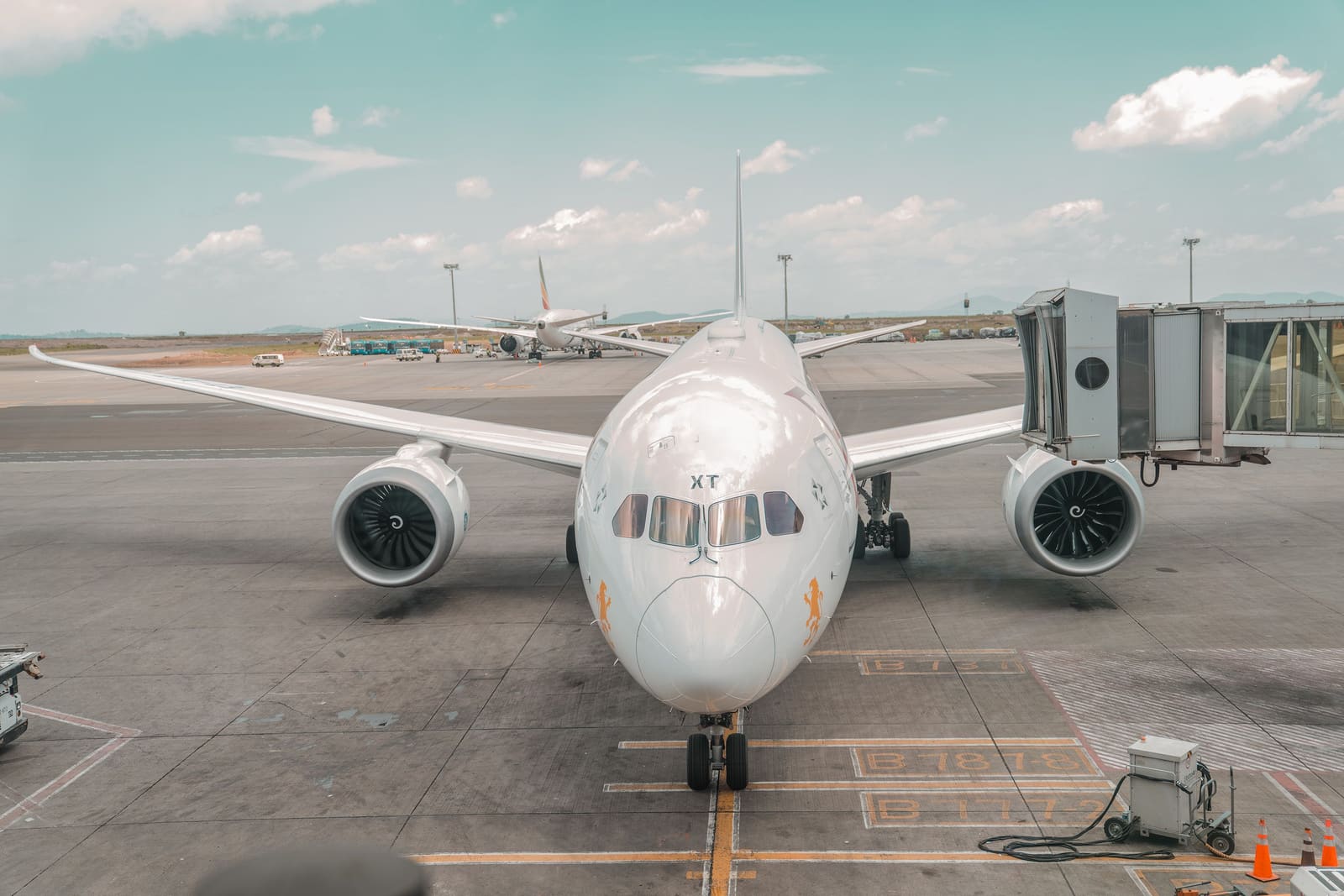
Singapore Airlines has committed S$2 billion to redesigning cabins across its long-haul fleet, touching every seat category from economy to first class. The refresh will roll out from the second half of 2027, starting with 41 Airbus A350-900 aircraft already in service and continuing with the carrier's incoming Boeing 777-9 widebodies.
The 777-9s, still awaiting delivery, will debut with the new interiors from day one. For the A350-900s, the airline faces the logistical puzzle of pulling aircraft out of rotation for retrofits whilst maintaining schedules on its longest routes.
Designed Around How People Fly
The airline surveyed more than 5,000 frequent flyers to understand how passengers actually use their seats: working at altitude, eating meals across time zones, trying to rest in daylight, or simply killing hours between continents. The resulting cabins reflect those patterns rather than a single idealised passenger.
Economy and premium economy gain more space and updated seatback screens, though the airline has not disclosed exact dimensions or pitch figures. Economy passengers will receive a collectable pouch of essentials, a small touch that doubles as a keepsake.
First class introduces curved sliding doors and a centre-seat configuration that converts into what the airline calls the largest double bed available in commercial aviation. Companion dining returns as a feature, allowing two passengers to share a meal without leaving their suite.
Business class focuses on adaptability: seats that remember individual preferences through smart controls, companion bed arrangements for passengers travelling together, and cotton pyjamas supplied on every flight. The aim is a cabin that adjusts to the traveller rather than the other way around.
Connectivity and Content
All cabins will gain access to Starlink satellite internet, a notable shift for an airline that has historically been cautious about onboard connectivity speeds. The KrisWorld entertainment system moves to 4K touchscreens with Bluetooth pairing, allowing passengers to use their own headphones without the usual tangle of adaptor cables.
The catering programme expands by 100 new menu options across the four classes, though the airline has not detailed whether this reflects regional variety, dietary accommodations, or simply rotation to reduce repetition for regular flyers.
What It Means for Passengers
The investment signals confidence in long-haul demand even as airlines elsewhere trim capacity or defer refurbishments. For travellers, the changes mean a more varied product depending on aircraft type: flights on the A350-900 or 777-9 will offer the new interiors, whilst other aircraft in the fleet retain existing configurations until further announcements.
The timeline also matters. Mid-2027 delivery leaves roughly 18 months before the first passengers see the new seats, and full fleet completion will stretch years beyond that initial date. Anyone booking now should confirm aircraft type if the cabin matters, though airlines routinely swap equipment closer to departure.
Lee Lik Hsin, chief commercial officer at Singapore Airlines, framed the project as a balance between individual cabin identity and a unified travel experience, with passengers gaining more control over their environment regardless of fare class.
The retrofit comes as other long-haul carriers weigh similar upgrades, though few have announced investments at this scale across every seat category simultaneously. Whether the expense translates into sustained load factors will depend on execution, timing, and how competitors respond.