Rooms Fill Fast Along Eclipse Path
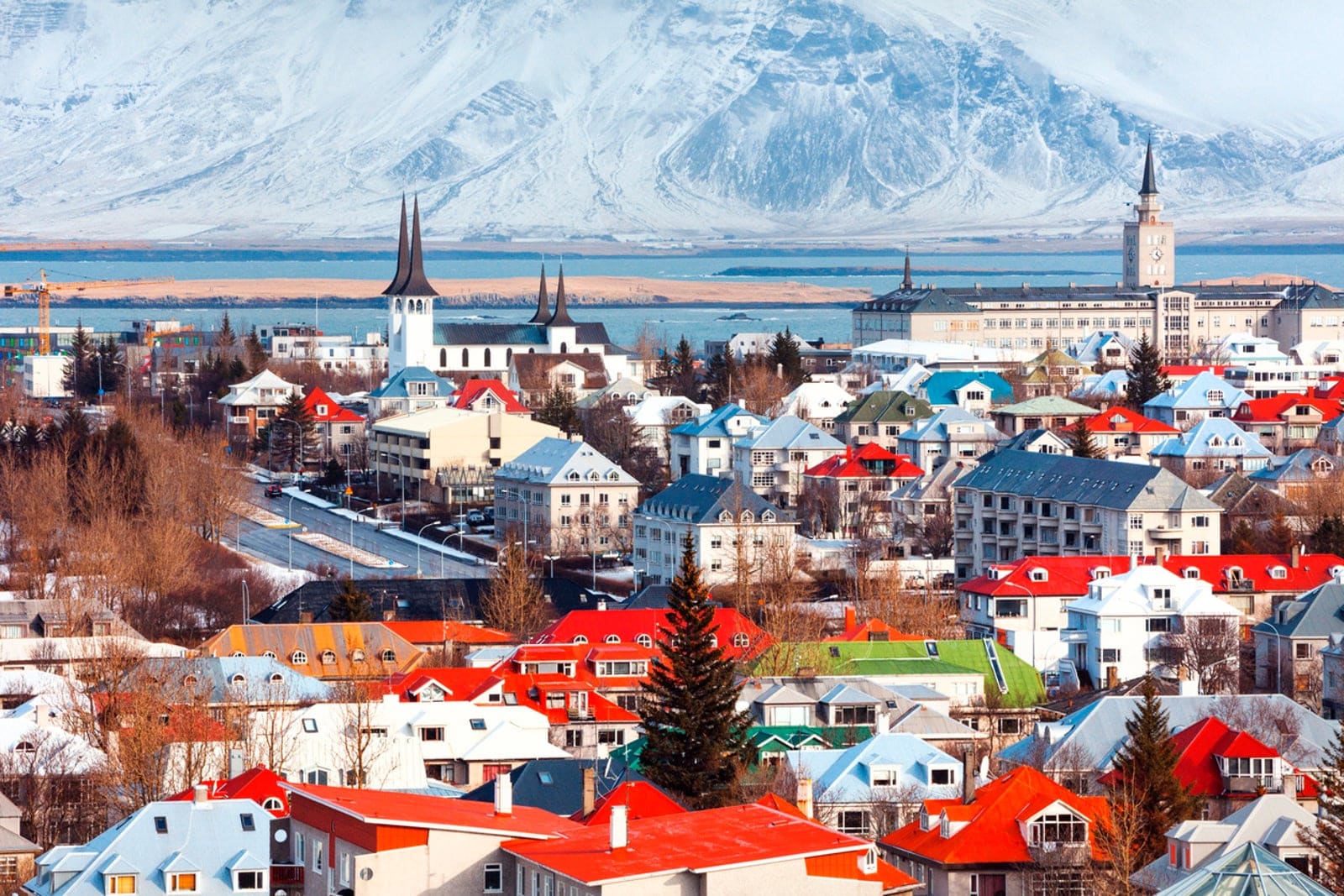
Hotel rates have climbed steeply across European cities positioned for optimal views of Wednesday's solar eclipse. In A Coruña, Spain, average room prices jumped 135 percent compared to last year, reaching $451 per night, according to data from Lighthouse Intelligence, a travel and hospitality analytics firm. Reykjavik saw rates climb 98 percent, with rooms averaging £587 on August 12.
The price spikes trace the narrow path of totality, the corridor where the moon will fully block the sun. Greenland, Iceland, and Spain sit within this zone, pulling in both amateur sky-watchers and professional astronomers. Spain's finance ministry estimates nearly half a million overseas visitors have arrived specifically to see the event, which will offer up to two minutes and 18 seconds of totality.
Other Spanish cities are experiencing similar surges. Bilbao's rates rose 67 percent, Santiago de Compostela climbed 34 percent, and Mallorca saw a 24 percent increase to $448 per night. The pattern is consistent: cities closer to the path's center see the steepest jumps.
Why Hotels Can Command Premium Rates
The willingness to pay reflects both scarcity and timing. Total solar eclipses are rare, and this one marks the fullest such event visible from the UK in the next 50 years, with over 90 percent of the sun obscured at peak. That rarity creates urgency. Travelers who might normally comparison-shop or wait for deals are booking quickly, and hotels know it.
Southwest England, particularly Devon and Cornwall, plus western Pembrokeshire in Wales, offers the best UK vantage points. While these areas won't experience totality, the high percentage of coverage is enough to draw significant interest. A partial eclipse will also be visible across parts of the United States, Canada, Senegal, Morocco, Germany, Poland, and Ireland.
The surge isn't just about celestial mechanics. It's about limited inventory meeting sudden demand. Hotels in smaller cities along the path, like A Coruña, don't have the room stock of major capitals. When thousands of eclipse-chasers arrive at once, even modest properties can command rates usually reserved for peak summer season.
Looking Ahead to 2027
Next year's eclipse may offer an even more dramatic show. On August 2, 2027, another total solar eclipse will cross southern Spain, North Africa, and the Middle East, according to the US National Solar Observatory. The path of totality will pass over Cádiz, Tangiers, Gibraltar, Benghazi, Luxor, and Jeddah, with totality lasting up to six and a half minutes, nearly three times longer than this week's event.
That extended duration could drive even stronger demand. Six-plus minutes of totality gives viewers more time to experience the phenomenon and increases the appeal for those willing to travel. Cities along that 2027 path should expect similar or greater rate increases if this week's patterns hold.
For travelers planning ahead, the lesson is straightforward: book early or pay steeply. Eclipse tourism follows predictable patterns, and hotels price accordingly. The 2027 event will likely see rooms in Cádiz and other path cities fill months in advance, with rates climbing as availability shrinks.
What This Means for Accommodation Markets
Wednesday's rate spikes underscore how quickly lodging prices can respond to short-term demand shocks. Unlike festivals or conferences that recur annually, eclipses are one-time events with fixed dates and locations. That makes them harder for travelers to plan around and easier for hotels to capitalize on.
The phenomenon also highlights regional disparities. Major cities with deep hotel inventory can absorb demand surges more easily. Smaller destinations, especially those in the path of totality, have limited capacity and see more dramatic price swings. A Coruña's 135 percent increase reflects this dynamic, as does Reykjavik's near-doubling of rates.
For budget-conscious travelers, the takeaway is to consider locations just outside the path of totality. A partial eclipse with 80 or 85 percent coverage may not carry the same bragging rights, but it can save hundreds per night on accommodation. And for those willing to wait, the 2027 eclipse offers another chance, though early booking will be essential to avoid repeat sticker shock.