A Rare Show of Unity
Spain's two largest trade unions, UGT and CCOO, have called a 24-hour general strike for 11 November 2026, running from midnight to midnight. They will be joined by CGT, CNT, and several smaller labour organisations in what marks the first joint general strike in Spain since 2012. The timing is deliberate: the action coincides with housing demonstrations scheduled across the country, and lands squarely in the middle of an election campaign.
The strike aims to secure wage increases of up to seven per cent, expand access to affordable housing, improve working conditions, and defend what unions describe as eroding social rights. The convergence of labour and housing movements reflects mounting public frustration over living costs and the availability of essential services.
What Travellers Should Expect
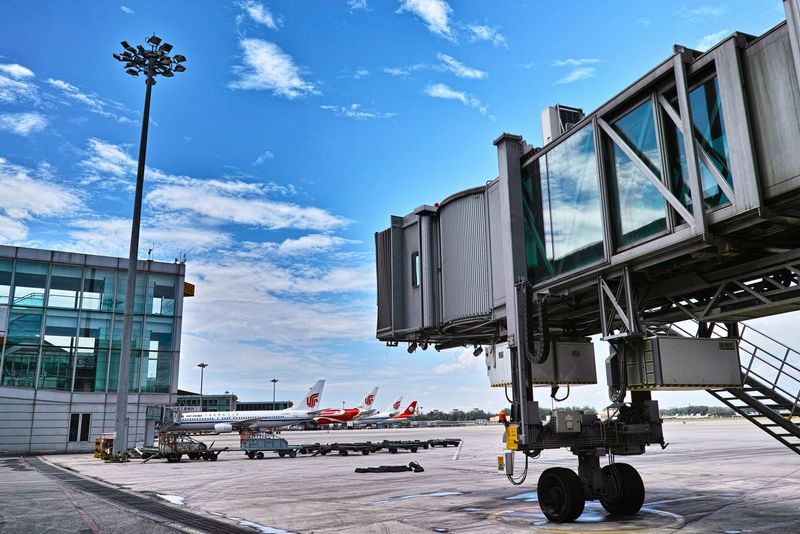
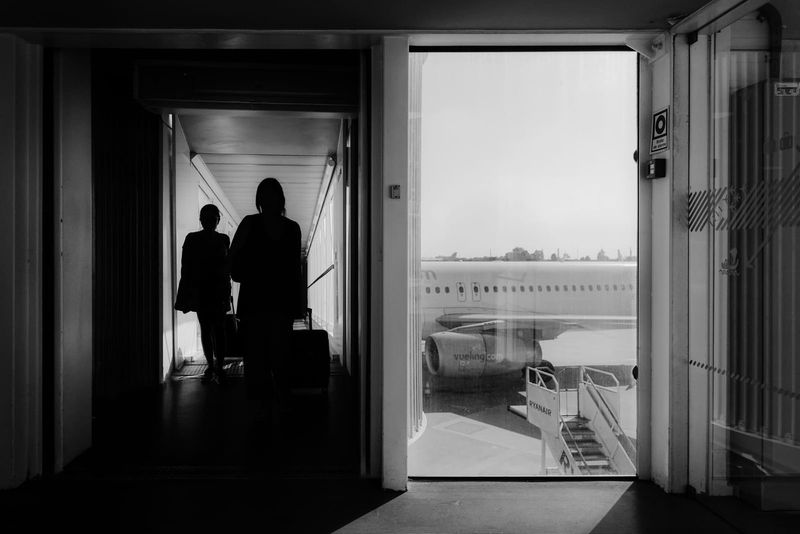
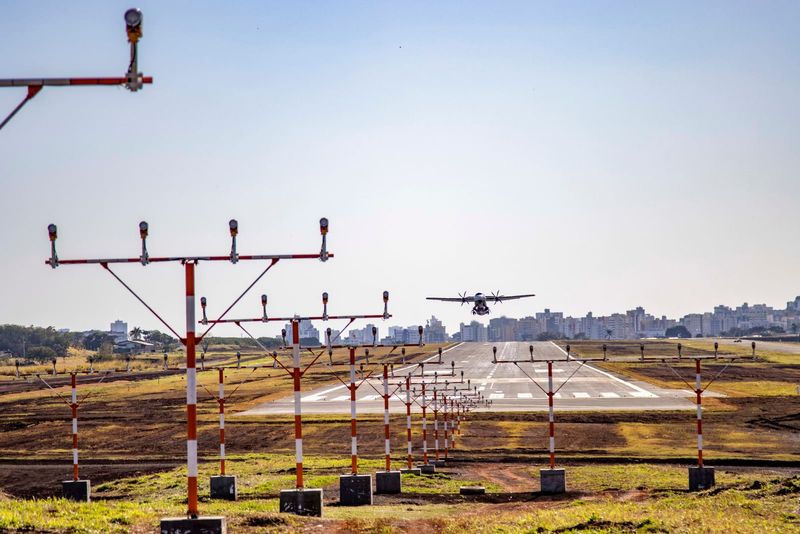
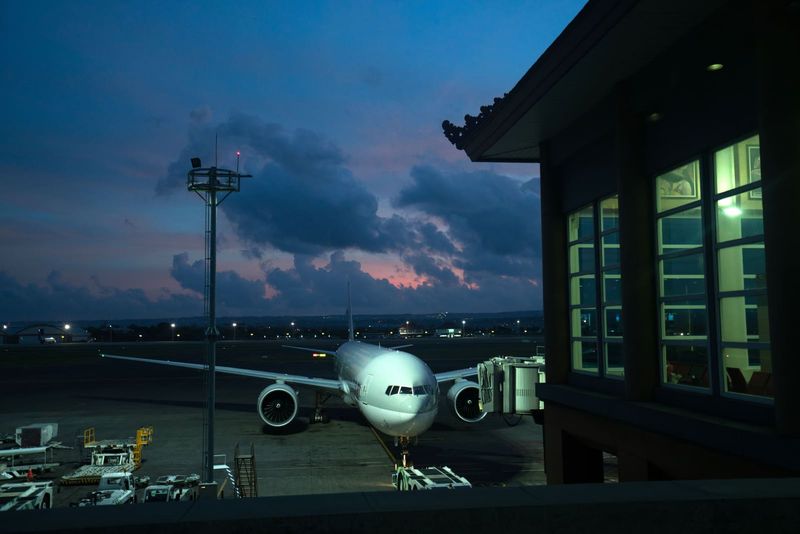
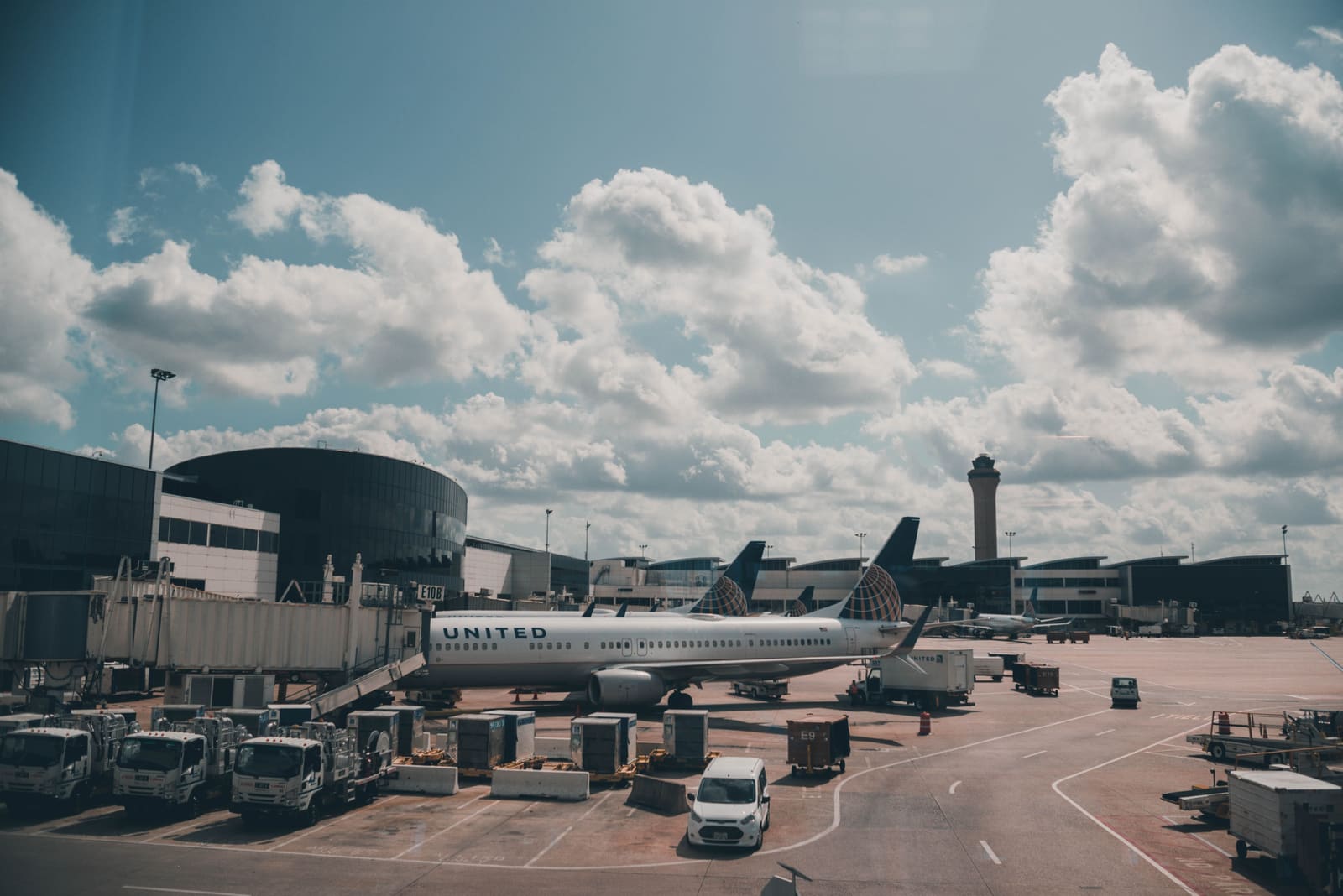
Airports will likely see significant disruption. Ground staff, air traffic controllers, and cabin crew are all expected to participate, which could ground flights or delay operations substantially. Spanish labour law does not require workers to declare their intention to strike in advance, making it difficult to predict the precise scale of the impact.
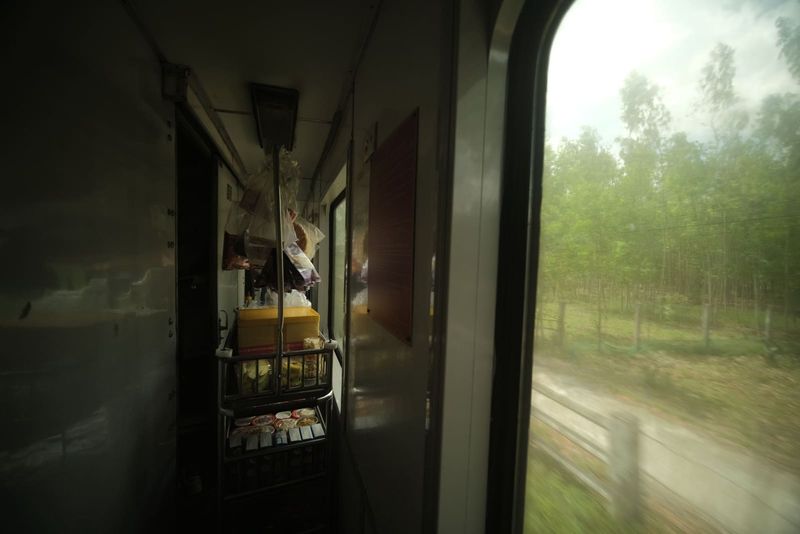
Train services, including Renfe and high-speed rail lines, are expected to run at best on skeleton schedules. The timing is particularly sensitive: the network is still reeling from a fatal collision near Toledo on 28 October that has intensified public anger over transport safety and infrastructure investment.
Urban transport will be equally affected. Bus and metro services in major cities are anticipated to offer minimal frequencies, if they run at all. That will push commuters onto roads, worsening congestion for anyone trying to drive. Protest marches planned in Barcelona, Madrid, and other cities are expected to close key thoroughfares, compounding the gridlock.
Museums, galleries, restaurants, shops, and hotels may close or operate with reduced staff. Visitors planning to be in Spain on 11 November should verify opening hours directly with venues and accommodation providers.
Rights and Recourse
Airlines are required under European regulations to refund or rebook passengers affected by strike cancellations, but compensation is not typically available when the disruption stems from industrial action. Travellers should review the terms of any private travel insurance, as some policies cover strike-related losses and others do not.
The UK Foreign Office and the US Embassy in Madrid have both issued advisories urging travellers to avoid demonstrations, political gatherings, and areas with heavy police presence. While many protests remain peaceful, the potential for confrontation exists, particularly given recent unrest in neighbouring France.
A Broader Context
The strike reflects deeper tensions. Public sentiment around purchasing power has soured, and housing affordability has become a flashpoint in Spanish politics. The decision to strike during an election campaign has drawn criticism from some quarters, but unions argue the moment is necessary to force political commitments.
Spain has not seen a general strike of this scope in over a decade. The last comparable action, in 2012, also centred on austerity and labour reforms. This time, housing has joined wages at the centre of demands, a shift that mirrors similar movements across Europe where soaring rents and property prices have become defining issues for younger voters and precarious workers alike.
For now, anyone with plans to travel within or to Spain on 11 November should build in extra time, confirm bookings repeatedly, and prepare for last-minute changes. The day is shaping up to be one where staying put may be the easiest option.