A Revenue Target Without the Crowds
Thailand is preparing to chase dollars rather than headcounts. The country's draft five-year tourism plan sets a revenue goal of at least 4 trillion baht - roughly $118 billion - by 2032, according to the Tourism Authority of Thailand. That represents a 48 per cent jump from the 2.7 trillion baht recorded in 2025, which included both international and domestic spending.
The shift in focus comes as foreign visitor numbers have flatlined. Arrivals are expected to decline for the second year running, hovering around 33 million. Instead of pumping up volume, officials are betting that each traveller can be persuaded to spend more.
The Fourth National Tourism Development Plan also sets a softer ambition: climbing into the top 30 of the World Economic Forum's Travel & Tourism Development Index, a ranking that weighs competitiveness, infrastructure, and policy environment. Thailand currently sits outside that bracket.
The Gap Between Revenue and Value
Higher spending sounds straightforward, but the mechanics matter. Rising prices can inflate revenue without attracting a fundamentally different visitor. A hotel rate that doubles because of scarcity delivers more baht per guest, yet the guest experience - and the visitor's willingness to return - may not improve.
Thailand's plan acknowledges this. It emphasises lifting service standards, spreading income to smaller operators and communities, and drawing travellers who seek experiences beyond the beach-and-bar circuit. Those objectives require training, coordination, and investment in places that have historically seen little tourism infrastructure.
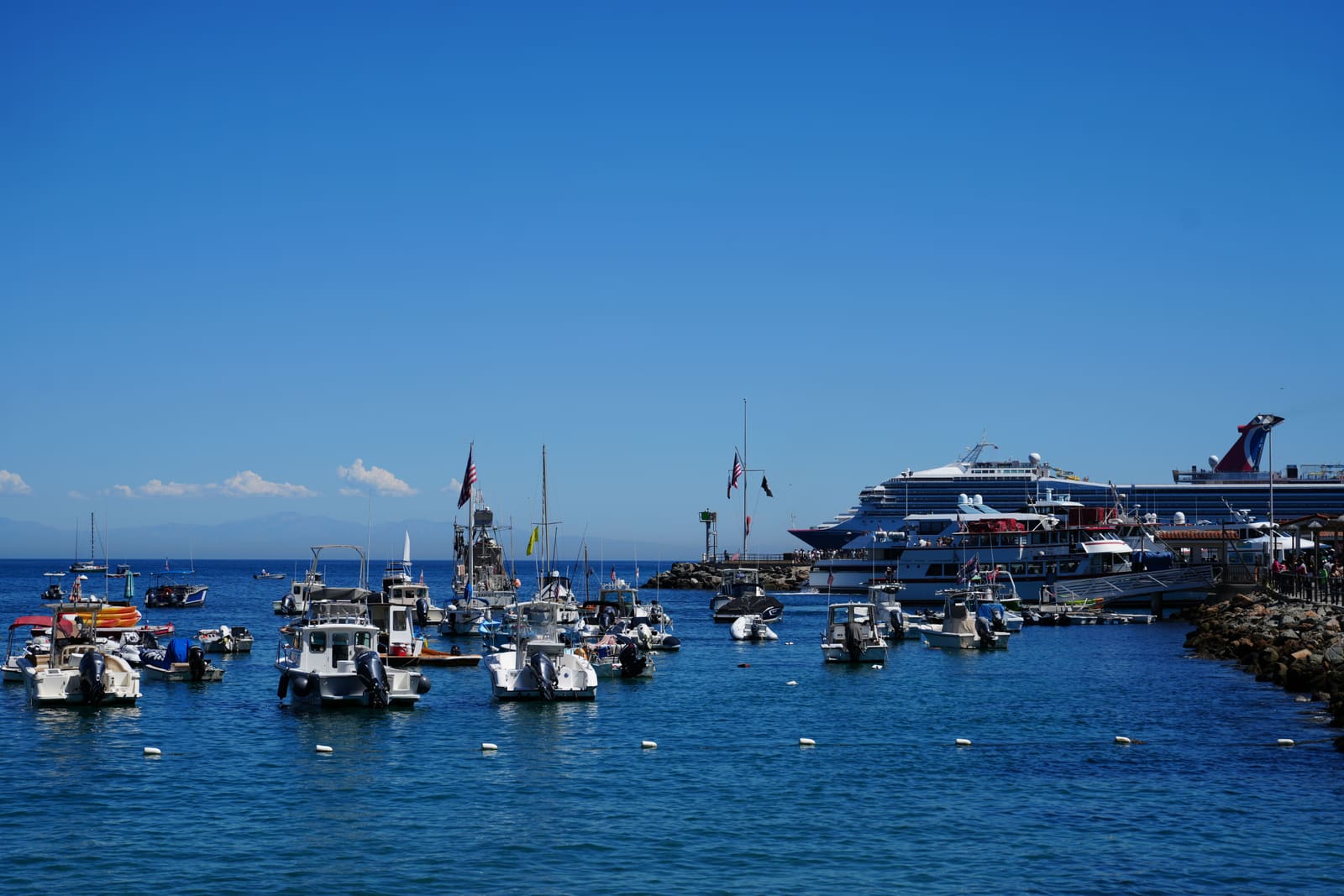
The government has identified cruise passengers and yacht charterers as high-value segments where Thailand lags. Both groups tend to spend heavily on berths, provisioning, excursions, and dining. Yet the country lacks the terminals and marinas to accommodate them at scale.
"The country still needs more cruise terminals and yacht marinas to meet demand," the Tourism Authority noted in the plan. It has asked TAT to draft an infrastructure framework in collaboration with other agencies, though no budget allocation has been announced.
Without dedicated funding, the timeline for new docks and berthing facilities remains unclear. Neighbouring countries - Singapore, Malaysia, Vietnam - are already expanding their own maritime tourism capacity, and Thailand risks ceding that segment if construction stalls.
Service Standards and the Guide Problem
Attracting wealthier visitors also means upgrading the human side of tourism. The plan flags the need for better-trained guides, multilingual staff, and more consistent service across regions. Thailand has long struggled with uneven quality: five-star resorts in Phuket operate alongside poorly regulated tour operators in secondary cities.
Training programmes exist, but they are fragmented. The government has not yet detailed how it will coordinate upskilling efforts across provinces, nor how it will certify and monitor guides who work outside the formal agency system. In rural areas, where community-based tourism is meant to flourish, many hosts lack the language skills or digital tools to reach international guests directly.
Spreading the Spoils
One stated aim of the plan is distributing tourism income more widely. Bangkok, Phuket, and Chiang Mai have long absorbed the bulk of visitor spending, leaving smaller towns and rural areas with slim margins. The government wants to channel travellers - and their money - into lesser-known provinces.
That requires more than marketing. It demands better domestic transport links, reliable accommodation, and activities that justify a detour. Thailand's bus and rail networks remain patchy outside major corridors, and budget airlines have cut routes to secondary airports in recent years.
If infrastructure does not keep pace, the revenue will continue to pool in the same handful of destinations, regardless of what the plan promises on paper.
The Arrival Plateau
The decline in foreign arrivals is not solely a Thai problem. Across Southeast Asia, visitor growth has slowed as Chinese outbound travel shifts toward shorter, closer trips and as European long-haul demand softens. Thailand also faces fiercer competition: Japan has relaxed visa rules, Vietnam has accelerated resort development, and Indonesia is pouring resources into new tourism zones.
Thailand's own visa policies have not kept up. While the country offers visa-free entry to dozens of nationalities, the permitted stay is often shorter than competitors allow, and extensions remain bureaucratic. For travellers weighing a three-week trip, a simpler visa regime elsewhere can tip the decision.
What the Plan Does Not Say
The draft plan sets ambitious revenue and ranking targets but stops short of committing funds or naming lead agencies for many initiatives. It calls for new terminals and marinas but does not specify locations, costs, or construction schedules. It emphasises service quality but does not outline enforcement mechanisms for operators who fall short.
Thailand has published similarly aspirational tourism blueprints before. The risk is that without binding budgets and clear accountability, the 2032 plan becomes another document that gathers dust while the industry continues on its current trajectory.
The government has opened the draft for public consultation. Final approval is expected later this year, at which point funding decisions and implementation timelines should become clearer.
Can Revenue Grow Without Arrivals?
In theory, yes. A smaller number of visitors can generate more income if each one stays longer, travels farther within the country, and chooses higher-margin activities. Japan has demonstrated this model, raising tourism revenue even as it manages overtourism in Kyoto and other hotspots.
But Thailand's hotel and restaurant sectors are built around volume. Many operators depend on steady flows of budget travellers to fill rooms and tables. Pivoting toward fewer, wealthier guests requires not just new infrastructure but a wholesale shift in how the industry prices, packages, and promotes itself.
Whether Thailand can execute that shift - and whether the plan will secure the funding to make it possible - will determine if the 4 trillion baht target is a forecast or simply a hope.