The Departure
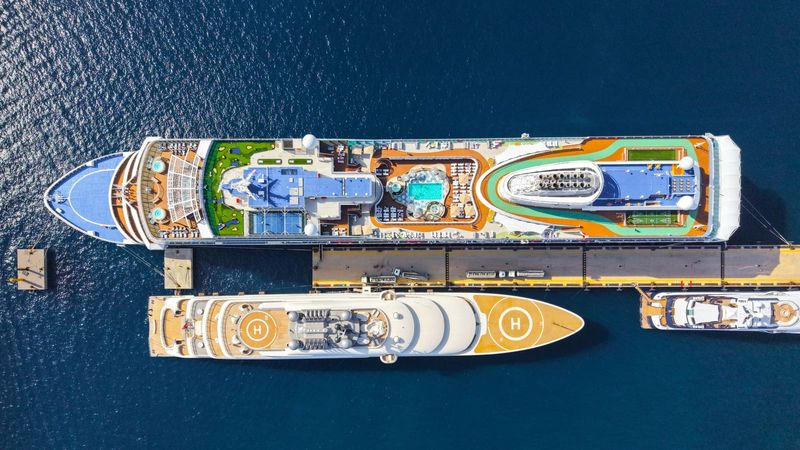
On Wednesday morning, a cruise ship designed for long-term living sailed away from Cambodia carrying roughly 50 crew members and not a single paying guest. The Villa Vie Odyssey left Sihanoukville empty, closing a chapter on what was meant to be an indefinite voyage around the globe.
More than 200 people who had invested in multi-year accommodation aboard the vessel found themselves ashore instead. Taing Sochitkrishna, who leads the local tourism office, confirmed the departure details. Around 100 former guests remained in Cambodia at the time, while others had arranged flights to other parts of Asia.
The Florida-based operator, Villa Vie Residences, announced an end to operations the previous week. The company pointed to fuel cost increases stemming from conflict involving Iran as the reason it could no longer sustain the business model. Guests were instructed to leave the ship at the port.
What They Left Behind
In the hours before the vessel moved out to sea, people carried the final pieces of their lives off the gangway. Shirine Thomas, who is from Wilmington in North Carolina, collected her remaining possessions on Tuesday. She mentioned there were still belongings aboard she wished she could retrieve but accepted she probably would not return.
The ship had been travelling continuously for more than two years. It represented a small segment of the cruise industry focused on permanent or semi-permanent floating residences, where guests could purchase or lease cabins for extended periods rather than book short holidays.
Mary Ann Demsar, a 67-year-old former teacher from Ontario, described a communication vacuum. She said the ownership provided no clarity about whether the journey might resume or what would happen to the money people had committed. The only reliable information, she noted, came from Cambodian government officials assisting those left in port.
The Investment
Lanette Canen and Johan Bodin, both 56, had joined the voyage in October 2024. They sold a business to finance a cabin costing 100,000 US dollars, with additional monthly fees of 3,500 dollars. The couple had imagined a new phase of life afloat, one that would take them to dozens of countries without the need to pack and unpack.
Their story mirrors that of hundreds of others who saw residential cruising as a way to combine travel with stability. The model appeals to retirees, remote workers, and anyone willing to trade conventional housing for a cabin with an ever-changing view. Yet it also concentrates risk in a way traditional property ownership does not. When a land-based home faces a problem, residents can usually stay put while repairs happen. When a ship stops sailing, everyone must disembark.
Where the Ship Went
Maritime tracking data and comments from some former guests suggested the vessel was heading towards Singapore, though Villa Vie Residences did not confirm a destination. The company also did not respond to requests for further explanation about the abrupt halt or plans for those who had prepaid years of accommodation.
The silence leaves practical questions unanswered. Will refunds be issued? Can guests reclaim belongings still stored in cabins? Is there any prospect of restarting the voyage under new financing, or is the venture finished? For now, the people who expected to call the ship home are scattered across hotel rooms and temporary rentals, waiting for answers that have yet to arrive.
A Niche Under Pressure
Residential cruise ships occupy a narrow commercial space. They require steady occupancy and predictable operating costs to remain viable. Fuel is among the largest expenses, and geopolitical events that disrupt energy markets can quickly erode thin margins. The Iran conflict mentioned by the operator has contributed to volatility in oil prices, though the exact impact on marine fuel supply chains varies by region and contract.
Other operators in the sector will be watching this collapse closely. If one vessel citing fuel costs can strand guests with little warning, potential customers may hesitate before committing six-figure sums to similar ventures. Trust is essential when the product is not a two-week holiday but years of one's life.
The Villa Vie Odyssey episode also raises questions about consumer protection in a market that does not fit neatly into existing regulatory frameworks. Buyers of residential units on land benefit from property law and, in many jurisdictions, deposit insurance or escrow arrangements. Guests on a cruise ship, even one marketed as a residence, typically fall under maritime and hospitality rules that offer less recourse when operations cease.
What Happens Next
For the people who disembarked in Sihanoukville, the immediate challenge is logistical. Some have booked flights home, others are extending their stay in Cambodia or moving to nearby countries while they assess options. A few have indicated they are exploring legal avenues, though cross-border disputes involving a US-registered company and a vessel that operated internationally present complex jurisdictional hurdles.
The ship itself remains at sea with a skeleton crew. Whether it will be sold, repurposed, or eventually return to service under new management is unclear. What is certain is that the departure from Cambodia marks the end of a promise that hundreds of people believed in enough to uproot their lives.