A New Wellness Offering in Venice
Dior has launched a spa at Hotel Cipriani in Venice, marking another collaboration between a luxury fashion house and a heritage hotel. The property, part of the Belmond portfolio, sits on Giudecca island with views across the lagoon to the main city.
The spa centres on facial treatments developed by Hadda Akrim, Dior's global skincare ambassador. The flagship offering is the Mascarade, a 90-minute facial that combines manual massage with device-assisted techniques. The treatment incorporates ultrasound waves to improve elasticity and circulation, followed by microcurrent stimulation intended to firm facial muscles.
The procedure begins with an abdominal massage, a technique rooted in the idea that digestive balance affects skin appearance. Therapists then apply the ultrasound and microcurrent devices before finishing with cryogenic stones placed over a cooling mask. The approach aims to address inflammation and fluid retention, common concerns for travellers adjusting to time-zone changes.
Technology Meets Tradition
Olivier Hahn, Dior's global spa director, highlighted the sonic component of the treatments as a defining feature. The ultrasound technology is designed to help active ingredients penetrate deeper into the skin, a selling point for guests willing to pay premium prices for facial treatments at luxury hotels.
The spa also stocks Dior Prestige products, which use ingredients sourced from organic French vineyards. The brand does not emphasise the organic provenance in its marketing, a choice that mirrors practices in the French wine industry where some producers avoid highlighting natural credentials to maintain a luxury positioning.
The Broader Hotel Experience
Hotel Cipriani offers several dining venues, including Cip's Club by the canal and Oro, a Michelin-starred restaurant with mirrored interiors and arched windows overlooking the water. The property's suites, particularly the Serenissima and Laguna, are laid out like apartments with multiple rooms and lagoon-facing terraces.
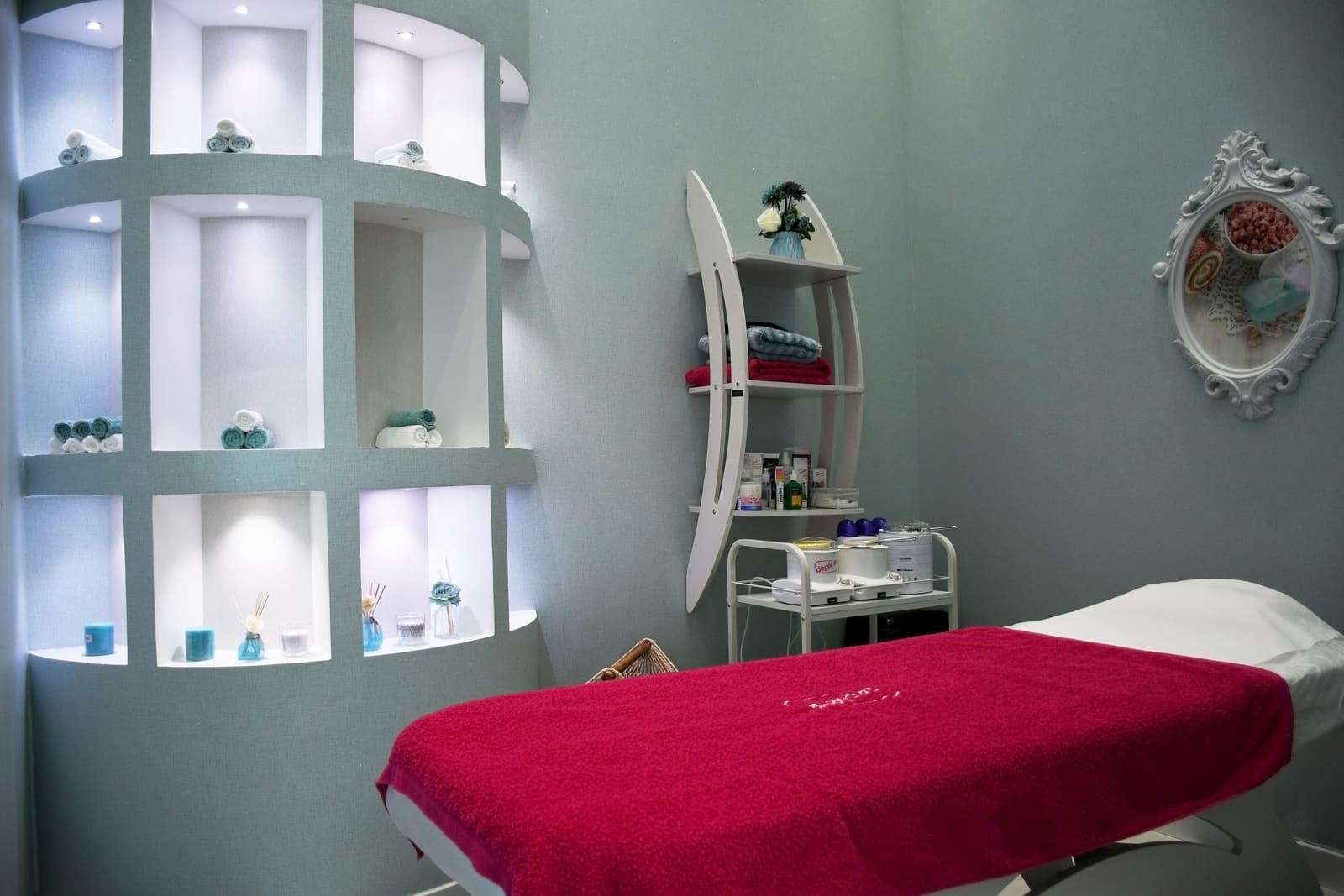
The spa includes an accessible treatment room that meets ADA compliance standards, a feature not always guaranteed at historic European properties where building constraints can limit modifications.
What This Means for Hotel Spas
The partnership reflects a broader trend of fashion houses embedding wellness spaces into hotels, following similar moves by brands such as Guerlain and La Prairie. For hotels, these collaborations offer recognisable names that can command higher treatment prices and attract guests who might not otherwise book spa appointments.
For Dior, the Venice location provides a testing ground for treatments in a setting where guests are already primed to spend on luxury services. The spa is positioned as a pre-event preparation option, with treatments timed to reduce puffiness before evening outings.
The success of such ventures depends on whether guests value the brand association enough to choose these treatments over less expensive alternatives. In Venice, where competition among luxury hotels is intense, a Dior-branded spa offers a point of differentiation, though the substance of the treatments matters as much as the label on the door.
The spa accepts guests with reduced mobility and welcomes families, broadening its potential customer base beyond the typical spa demographic. Treatment prices have not been disclosed, but typically align with luxury hotel standards in Venice's premium tier.