When Systems Break
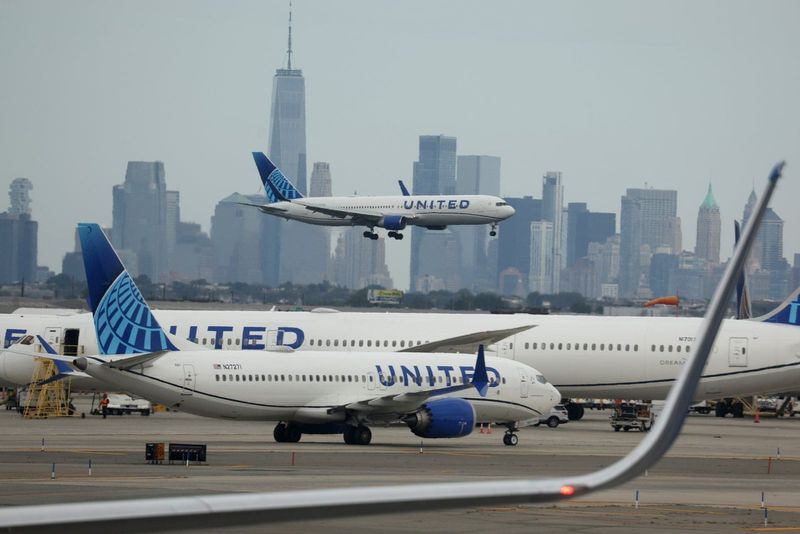
Passengers queueing for Monday afternoon departures at four of America's busiest airports found themselves waiting indefinitely after a technical malfunction forced aviation regulators to impose emergency ground stops. The failure affected JFK International, LaGuardia, Newark Liberty International, and Philadelphia International, collectively handling more than 300,000 passengers on a typical weekday.
The Federal Aviation Administration confirmed that an equipment outage at a regional air traffic control facility triggered the disruption. Ground stops prevent aircraft from departing while allowing inbound flights already airborne to land, a protocol designed to prevent airspace congestion when controllers lose critical monitoring or communication tools.
By Monday afternoon, the FAA had lifted the formal ground stops, yet residual delays rippled through schedules. Airlines were still working to reposition aircraft and crew, a logistical puzzle that typically takes hours to untangle even after infrastructure comes back online. Passengers faced missed connections, rebooking queues, and uncertainty about when normal service would return.
The Geography of Disruption
The four airports sit within a tightly coordinated airspace managed by overlapping control facilities. When one piece of equipment fails, the effect cascades across the entire regional network. New York's three major airports alone account for roughly 15 per cent of all US air traffic, according to FAA data, making any stoppage in the area a national issue.
Philadelphia International, while smaller, serves as a major connecting hub for transatlantic and domestic routes. A ground stop there compounds delays not only for passengers travelling to or from the city but for those changing planes en route to dozens of other destinations.
The concentration of traffic in this corridor means redundancy is essential. Yet the FAA's air traffic control infrastructure, much of it installed decades ago, has been criticised for lacking modern backup systems. A single point of failure, whether hardware or software, can still bring operations to a standstill.
What Went Wrong
The FAA did not immediately specify which piece of equipment malfunctioned or which facility experienced the outage. Air traffic control relies on a web of radar systems, communication networks, and data processors that must function in real time. If controllers lose the ability to track aircraft positions, relay instructions, or coordinate handoffs between sectors, the safest response is to stop launching new flights until the problem is resolved.
These outages are not unprecedented. In January 2023, a corrupted database file in the FAA's Notice to Air Missions system forced a nationwide ground stop that delayed thousands of flights. That incident, which lasted several hours, prompted Congressional scrutiny and renewed calls for infrastructure investment.
Monday's disruption was geographically narrower but no less disruptive for travellers caught in the affected region. The fact that four major airports had to halt departures simultaneously underscores the interdependence of the system and the vulnerability that comes with it.
The Passenger Experience
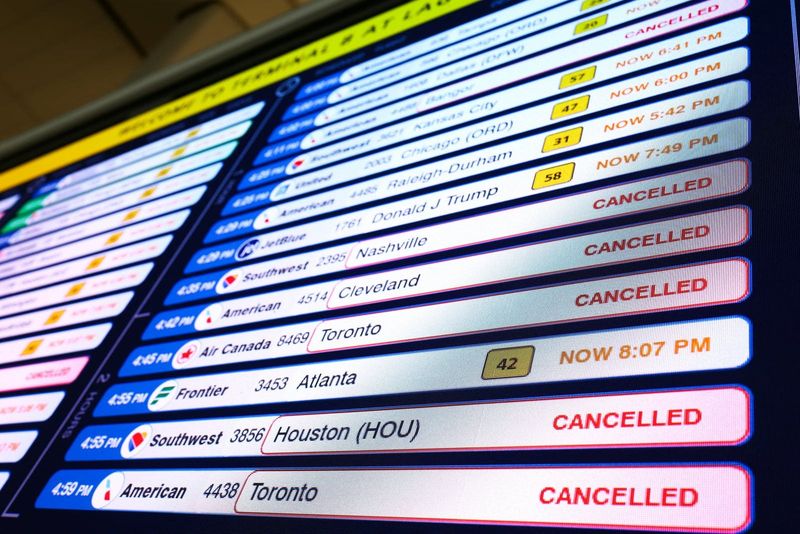
For people on the ground, a ground stop often begins with little information. Departure boards flip to "delayed" without explanation. Gate agents field questions they cannot answer. Passengers check their phones for updates that airlines are still gathering themselves.
Those who were already airborne faced a different uncertainty. Pilots receive instructions to hold in circling patterns or divert to alternate airports if fuel runs low. Inbound international flights, which cannot easily turn back, take priority for landing slots once the ground stop lifts.
The knock-on effects extend well beyond the initial delay. Aircraft out of position mean crew members exceed their legal duty hours, forcing cancellations of subsequent flights. Passengers who miss connections in New York or Philadelphia find themselves competing for limited seats on later departures, especially on busy weekday routes.
Infrastructure Under Pressure
The US air traffic control system handles more than 45,000 flights on an average day, according to FAA figures. The Northeast Corridor, stretching from Washington to Boston, is the most congested airspace in the country. Controllers manage tight spacing between aircraft, complex arrival and departure paths, and constant coordination with neighbouring facilities.
Much of the technology underpinning this work dates from the 1980s and 1990s. Modernisation efforts have been under way for years, but progress has been slow and budgets uncertain. The FAA's NextGen programme, intended to transition the system from ground-based radar to satellite navigation, has faced repeated delays and cost overruns.
In 2024, the FAA introduced an artificial intelligence tool called SMART, designed to predict and reduce delays by optimising traffic flow. The tool analyses weather, flight schedules, and airspace capacity to recommend adjustments before bottlenecks form. But predictive software cannot compensate for hardware failures or prevent outages when physical equipment breaks down.
The Cost of Downtime
Flight delays and cancellations carry a measurable economic toll. The US Department of Transportation estimates that each hour of delay costs airlines, passengers, and the broader economy approximately $74 million. A ground stop lasting even 90 minutes can translate into tens of millions in lost productivity, missed business meetings, and disrupted travel plans.
Airlines also absorb direct costs. Aircraft sitting on the ground generate no revenue. Crew scheduling becomes a logistical nightmare. Customer service teams field complaints and process refunds or rebooking fees. For carriers operating on thin margins, a single day of widespread disruption can erase weeks of profit.
Passengers, meanwhile, lose time and money. Hotel rooms near airports sell out quickly. Rebooking fees, meal vouchers, and ground transport add up. Those travelling for time-sensitive events, whether business meetings or family milestones, may find their plans irreparably disrupted.
What Happens Next
The FAA will likely conduct an internal review to determine the cause of Monday's equipment failure and whether procedural or technical changes are needed to prevent recurrence. Such reviews are standard after significant operational disruptions, though findings are not always made public in detail.
Congress has repeatedly called for increased investment in air traffic control infrastructure, but funding remains a political challenge. The FAA's budget is subject to annual appropriations, and large-scale modernisation projects compete with other national priorities.
For travellers, the lesson is familiar. The system works most of the time, but when it fails, the consequences are swift and widespread. Redundancy, backup systems, and proactive maintenance are not luxuries in a network this complex. They are necessities that, when absent, leave millions of people waiting on the ground.