The Problem
Passengers on certain Lumo trains are facing journeys of more than five and a half hours without access to working toilets. The budget operator, owned by FirstGroup, has been running select services between London Euston and Stirling in central Scotland despite all lavatories being out of order.
The company acknowledged the fault on social media in early August. To manage the situation, affected trains have been making longer stops at stations including Preston, giving passengers time to get off and use platform facilities. One Friday morning departure from London Euston ran 58 minutes late and ended its journey early at Motherwell in North Lanarkshire.
The affected route covers 417 miles, a distance that typically takes well over five hours by rail.
Why It's Happening
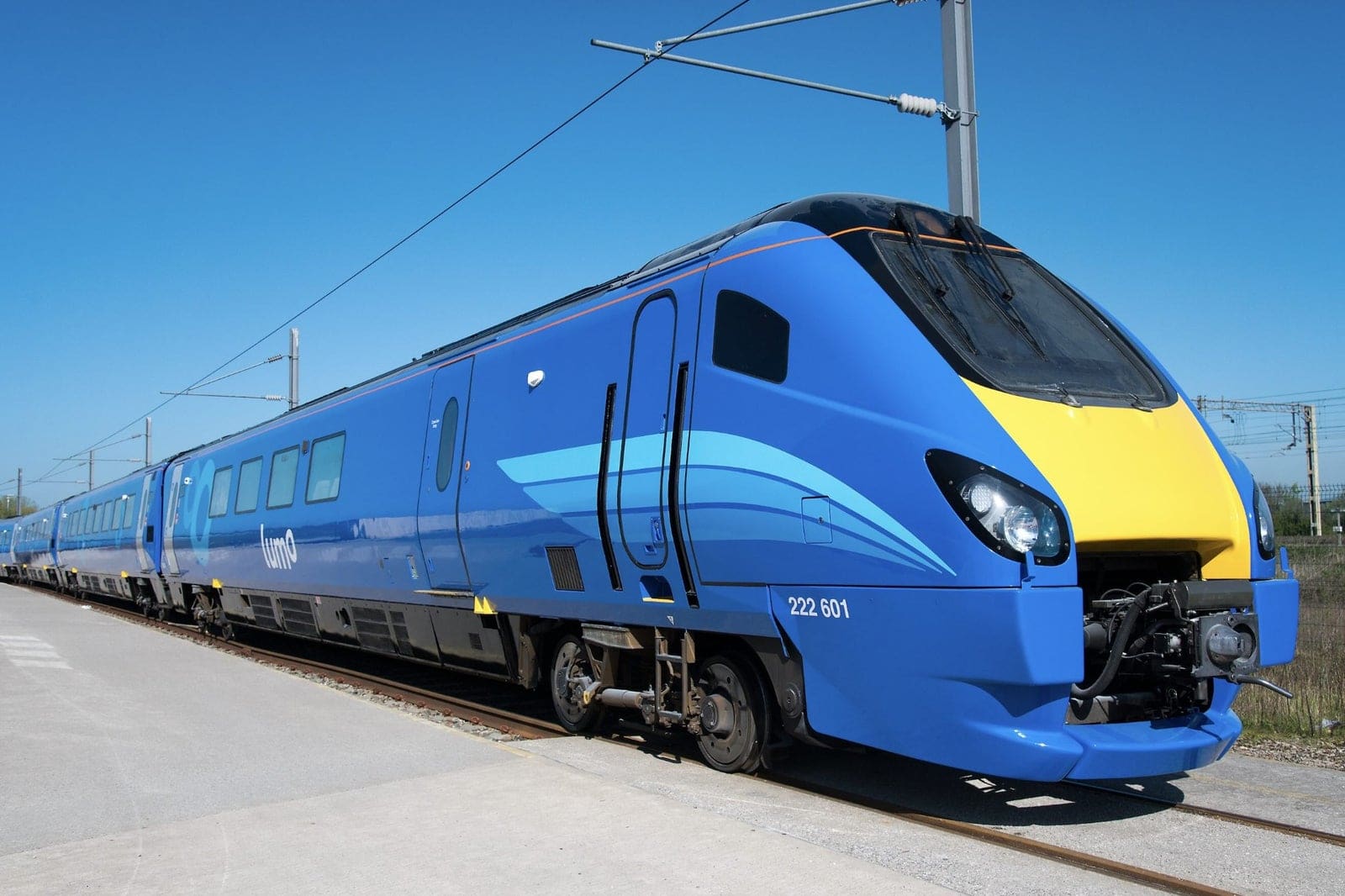
Lumo operates its West Coast services using refurbished Class 222 Meridian trains. The same train model is used by East Midlands Railway, which has also experienced toilet failures across its fleet, suggesting the problem may be systemic to this particular type of rolling stock.
According to Lumo, the operator is working with Alstom, the company that refurbished the trains, to fix the reliability issues. But the timeline for a permanent solution remains unclear.
What complicates the situation is a regulatory gap. Train operators in Britain are not legally required to provide onboard toilets, even on long-distance routes. That means while the lack of facilities is uncomfortable and inconvenient, it doesn't technically violate any rules.
The Broader Context
Lumo launched its West Coast services between Euston and Stirling in late May. The company also runs trains on the East Coast Main Line, connecting London King's Cross with Edinburgh, Glasgow, and Falkirk.
As an open-access operator, Lumo sets its own fares, carries all revenue risk, and receives no taxpayer-funded subsidies. It operates outside the franchise system, which means it won't be affected by the government's ongoing renationalisation of Britain's remaining franchised train services.
The business model hinges on offering lower fares than incumbent operators, but incidents like this test how much inconvenience passengers are willing to tolerate in exchange for cheaper tickets. Extended station stops may offer a workaround, but they also add delays and reduce the reliability that budget-conscious travellers still expect.
What Passengers Should Know
If you're booked on a Lumo West Coast service, it's worth checking the status of onboard facilities before you travel. The company has been transparent about the issue on social media, but not all passengers monitor those channels.
For now, the advice is practical: use facilities before boarding, plan for extended stops, and be prepared for possible delays. Passengers with medical conditions or young children may find the situation particularly challenging.
The lack of a legal requirement for toilets on trains is surprising to many travellers, especially on routes that span hundreds of miles. It's a reminder that comfort standards in British rail can vary widely, and that budget operators sometimes cut closer to the regulatory minimum than legacy carriers.
Whether Lumo can resolve the mechanical issues quickly will determine if this remains a temporary inconvenience or becomes a longer-term reputational problem. For an operator competing on price in a market where service quality still matters, getting the basics right is not optional.