Tickets Gone Within Days
Etihad Rail opened its passenger service between Abu Dhabi and Dubai on 30 September, and travellers snapped up every available seat before the first trains rolled. The operator scrambled to release an additional 2,000 tickets for the launch weekend after its initial inventory disappeared.
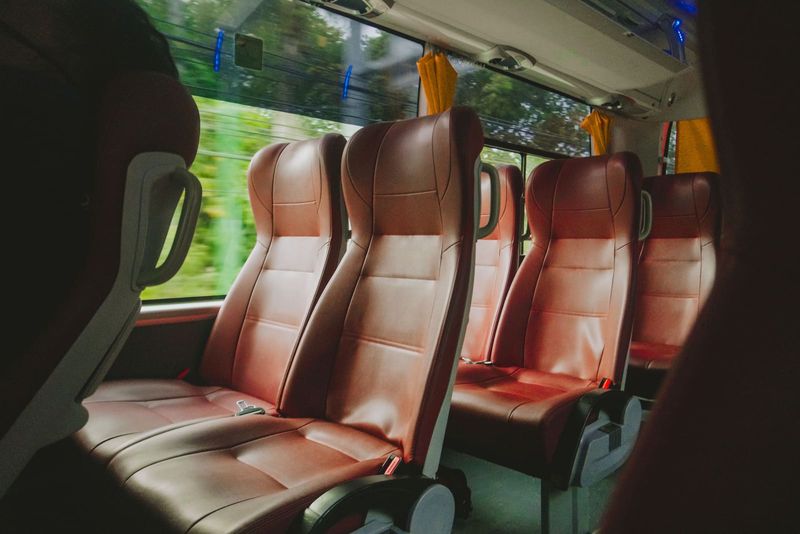
The route covers the distance in 64 minutes, landing passengers at Al Yalayis Station in Dubai's Jumeirah Golf Estates neighbourhood. Fares begin at AED 39 (approximately USD 10.60) for standard seating, rising to AED 109 (around USD 29.70) for premium cabins, according to Etihad Rail.
It is the first time the two emirates have been linked by scheduled passenger trains, a milestone that reshapes how residents and visitors move through the most populated corridor in the United Arab Emirates.
Getting to and From the Platforms
Both terminals sit outside traditional city centres, which means the usefulness of the rail line depends heavily on what happens after passengers step off. In Abu Dhabi, shuttle buses priced at AED 10 (about USD 2.70) will ferry arrivals from Mohamed Bin Zayed City Station to the Corniche waterfront, Reem Mall and the ADNEC Centre.
Dubai's station connects to the existing metro network via a 400-metre pedestrian bridge, offering a reasonably smooth transfer for those continuing into denser parts of the city. Taxis, buses and car parks are also available on site. Dubai remains the only city in the UAE with a metro system in operation, a reality that shapes how the broader rail network will function.
More Stops on the Horizon
The current route also reaches Fujairah, on the UAE's eastern coast. Two more stations are scheduled to open in the coming months. Al Dhafra, located within Abu Dhabi emirate, is slated for 30 December, while Sharjah is set to welcome trains by 30 March 2027.
Longer-term plans include several additional stops within Abu Dhabi, though no firm dates have been announced. Al Mirfa, near Al Mugheirah Bay, would serve a waterfront area known for mangrove ecosystems. Liwa, in the desert interior, hosts an annual motorsport festival each winter among its dunes. A station at Al Sila, close to the Saudi Arabian border, is also in the pipeline.
Each addition brings the network closer to something resembling a national rail grid, a concept that has been discussed for years but is only now taking physical shape.
A Regional Vision Still Under Construction
The six Gulf Cooperation Council states have long discussed a railway spanning the Arabian Peninsula, connecting the UAE, Saudi Arabia, Oman, Qatar, Bahrain and Kuwait. No completion date has been set, and progress has been uneven.
Saudi Arabia operates the only other intercity passenger trains in the Gulf at present. Its network includes routes linking Riyadh with Qurayyat, near Jordan, and the port city of Dammam. The Haramain high-speed line runs between Mecca and Medina. Historical context adds another layer: the early 20th-century Hejaz Railway once connected Damascus with Medina before services ceased during the Arab Revolt.
Urban metro systems have developed at different speeds. Dubai launched its metro in 2009, Doha followed in 2019 ahead of the FIFA World Cup, and Riyadh began operations in 2024.
A High-Speed Proposal Between Capitals
In late 2025, Qatar and Saudi Arabia announced plans for a high-speed railway linking Doha and Riyadh. The proposed line aims to cut travel time between the two capitals to roughly two hours, with a target completion year of 2031.
Whether that timeline holds will depend on financing, coordination between governments and the ability to maintain momentum on a project that crosses borders and regulatory systems. If realised, it would represent a significant shift in how Gulf residents think about intercity travel, reducing reliance on short-haul flights and road journeys.
What It Means for Travellers
For now, the Abu Dhabi-Dubai link offers a practical alternative to driving or flying between the two cities. The 64-minute journey is competitive with road travel, especially during peak traffic hours, and avoids the hassle of airport security and check-in.
The sell-out launch suggests there is appetite for train travel in a region where cars and planes have long dominated. How that demand holds once the novelty fades will be a test of the network's design, particularly the ease of reaching final destinations from stations that sit on the urban periphery.
The broader question is whether the UAE's rail expansion can serve as a blueprint for neighbouring countries, or whether the Gulf-wide network will remain a plan on paper for years to come. For travellers, the answer will emerge one station opening at a time.