A Nationwide Halt
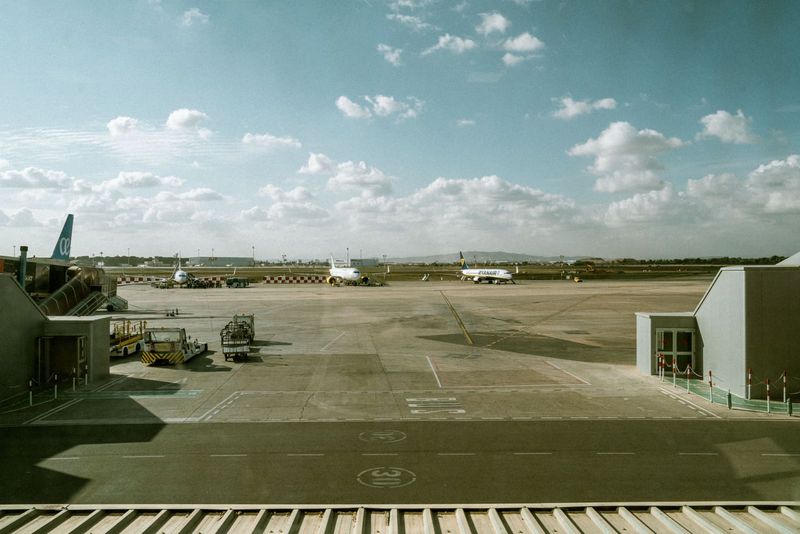
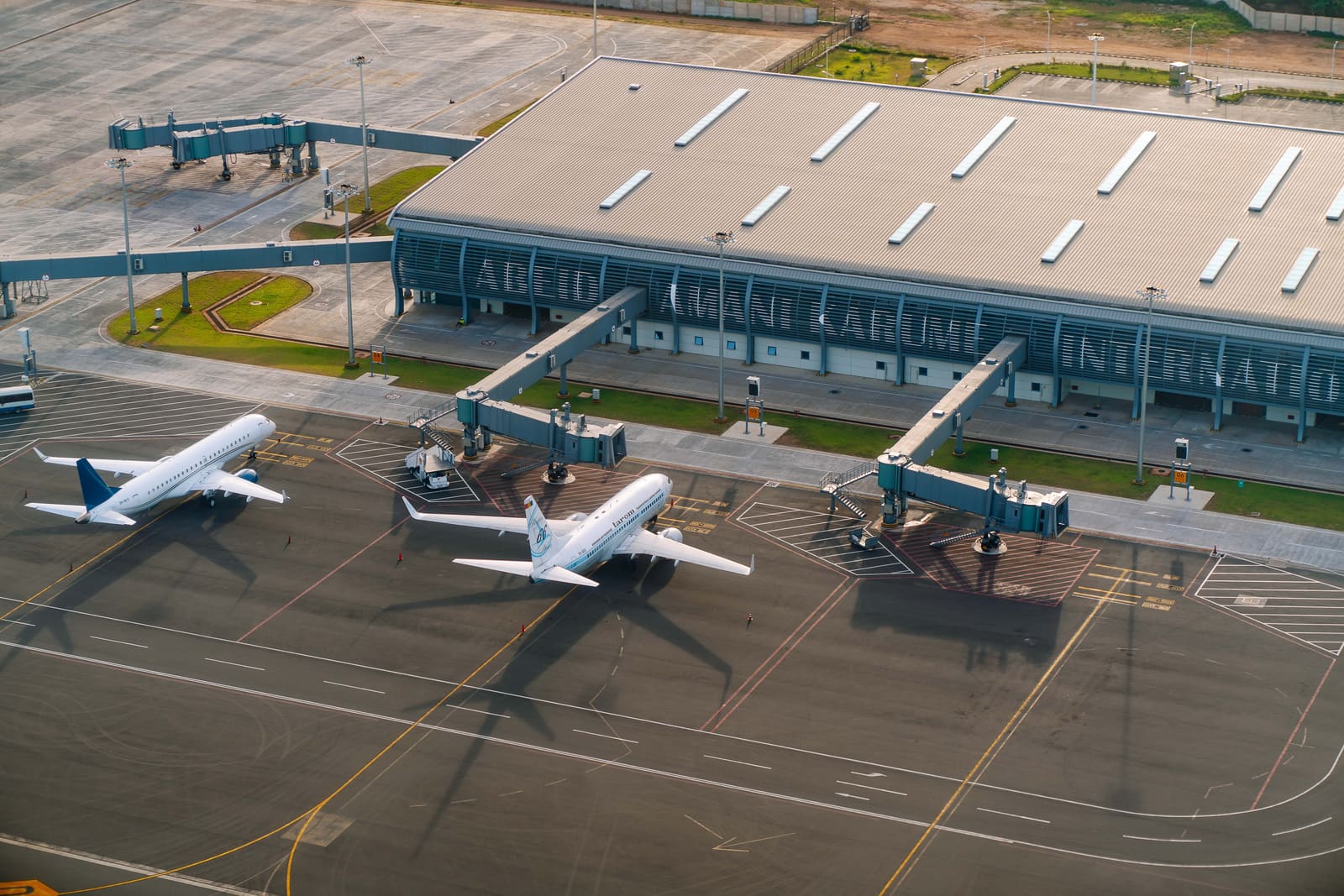
The Federal Aviation Administration ordered a nationwide ground stop on 13 November, halting departures at airports across the United States for several hours after communication systems at air traffic control centres experienced disruptions. The agency cited "extraordinary circumstances" and "safety reasons" for the decision, which affected commercial passenger flights, cargo operations, and thousands of travellers.
Secretary of Transportation Sean Duffy said the ground stop followed "a communication issue impacting all Air Route Traffic Control Centers." By late afternoon Eastern Time, the stoppage had been in effect for roughly three hours, with FAA officials engaged in what one network described as a "crisis call" to assess the situation.
The disruption extended beyond passenger airlines. FedEx confirmed its cargo aircraft were also delayed, with the company preparing contingency plans to resume operations once clearance was granted.
The Scale of the Disruption
Flight tracking data showed more than 10,500 delays within, into, or out of the United States on the day of the ground stop, with global delays exceeding 26,000 and cancellations surpassing 3,000. Some delays were attributed to weather conditions and occurred before the ground stop was issued, but the communication failure compounded an already difficult day for air travel.
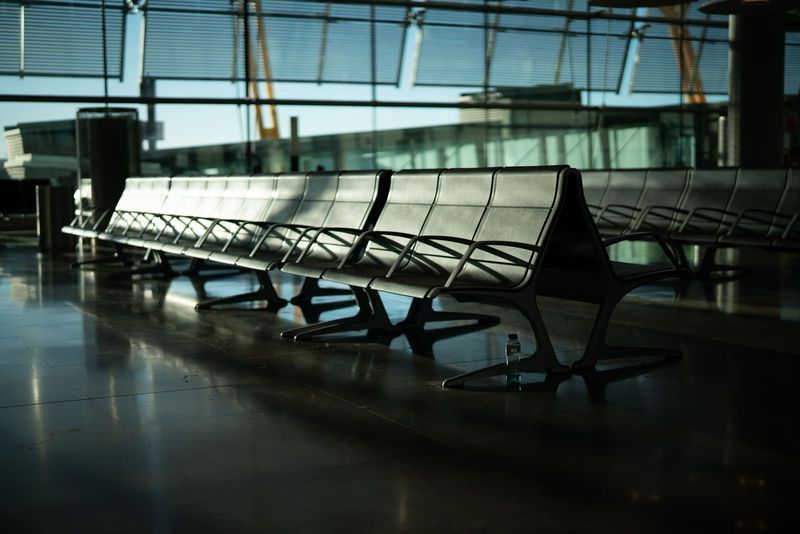
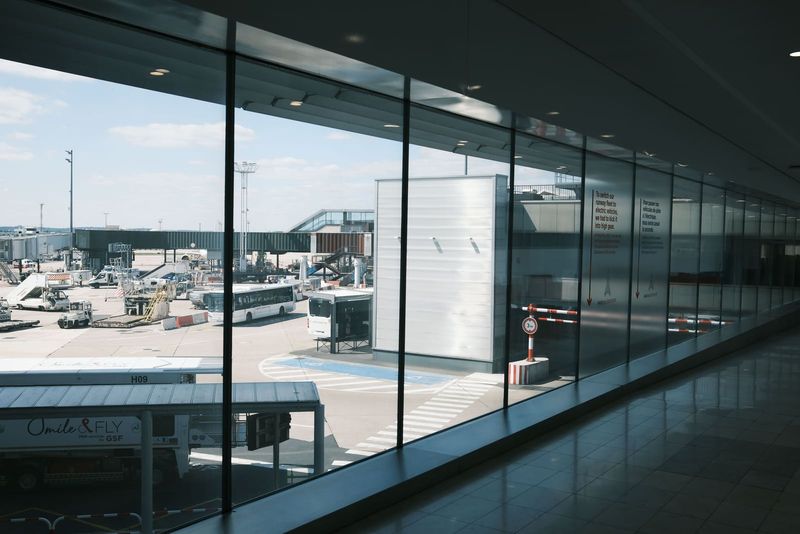
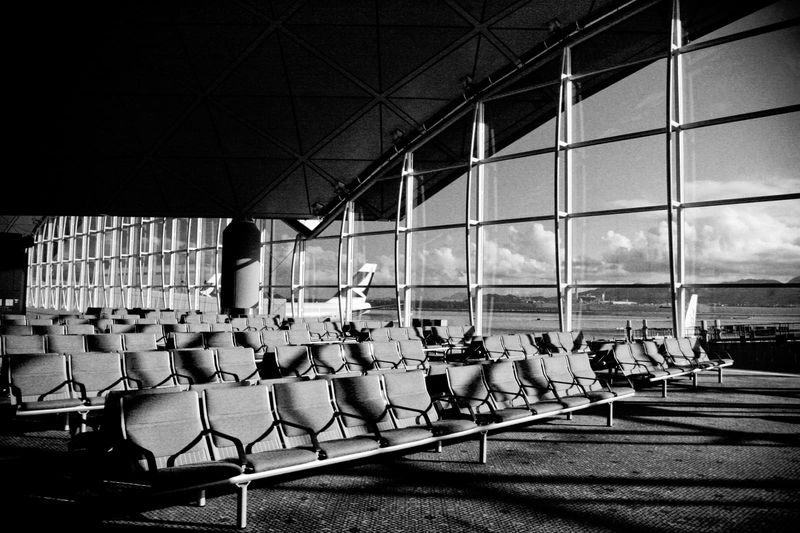
Airports from Seattle to New York reported passengers waiting in terminals, uncertain when flights would resume. At Chicago O'Hare International Airport, travellers continued to arrive with luggage, many unaware of the nationwide halt. Images from Seattle-Tacoma International Airport and Ronald Reagan Washington National Airport showed crowded terminals and long queues as people checked flight status boards and sought information from airline staff.
The disruption also raised concerns about knock-on effects, including potential impacts on college football games scheduled for the weekend, as teams and fans faced uncertain travel plans.
What Officials Are Saying
Secretary of Homeland Security Markwayne Mullin addressed reporters around 5 p.m. Eastern Time, emphasising that the situation was under control and not a security threat. "We're not ruling out anything at this point. The first thing is the safety of everybody that's flying," he said. "This isn't another 9/11. This is a telecommunication outage."
Mullin assured the public that all passengers already airborne would land safely and that the priority was resolving the communication issue before resuming normal operations.
The FAA has not yet disclosed the root cause of the communication failure. Investigators are working to determine whether the disruption was related to equipment malfunction, software issues, or other factors.
A New System in the Mix
The ground stop came days after the FAA began deploying a new air traffic management system called SMART (Strategic Management of Airspace, Routes and Trajectories). The AI-powered tool, now operating across all 22 US air route traffic control centres, was introduced earlier in the week to improve efficiency and coordination.
Whether the new technology played any role in the communication breakdown remains unclear. The FAA has not commented on a possible connection, and officials have not ruled out any causes as the investigation continues.
No Link to Microsoft Outage
The timing of the ground stop coincided with a separate, large-scale outage affecting Microsoft services on Thursday and Friday. However, Microsoft confirmed the two incidents were unrelated. "Microsoft has no indication that the FAA nationwide ground stop is related to the recent service disruption," a company spokesperson said.
The clarification helped dispel early speculation that the tech outage had cascading effects on aviation infrastructure.
The Ripple Effect
Beyond the immediate inconvenience, the ground stop highlighted the fragility of the systems underpinning modern air travel. Even a brief halt can create cascading delays, with aircraft and crew out of position, passengers missing connections, and cargo deliveries postponed.
FedEx urged customers to check package status online as the company worked to minimise service disruptions. Airlines faced the challenge of rebooking passengers and managing crews whose duty hours were affected by the delays.
For travellers, the disruption served as a reminder of how quickly plans can change. Amtrak reported increased call volumes as some passengers sought alternative ground transport, though the rail network's capacity to absorb displaced air travellers is limited.
The FAA has promised updates as the investigation progresses, but the incident raises questions about the resilience of air traffic communication systems, particularly as new technologies are integrated into an ageing infrastructure.