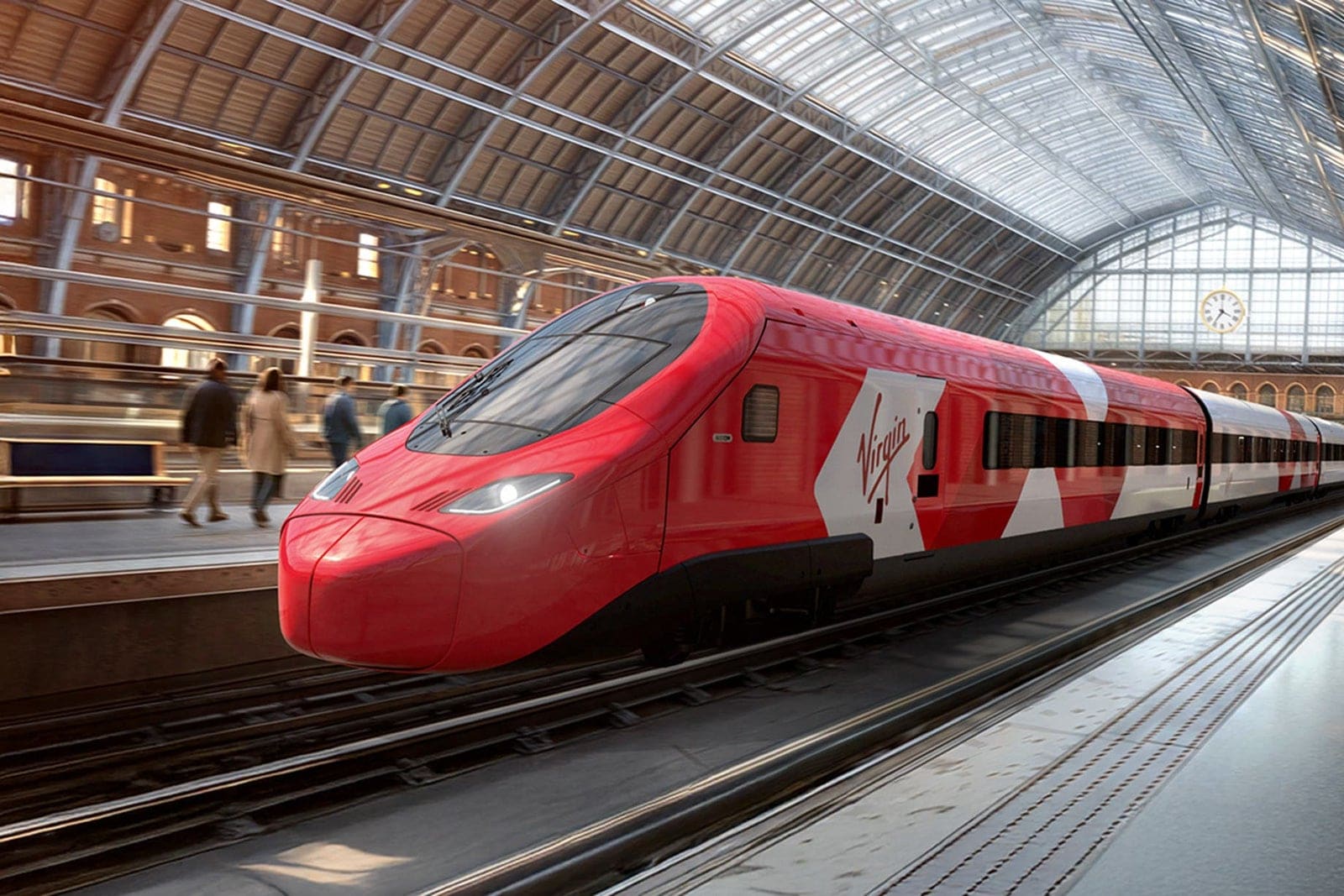
A Long-Awaited Rival Takes Shape
Virgin Trains has cleared a significant regulatory milestone in its bid to operate passenger rail services between London and mainland Europe. The Office of Rail and Road granted the company track access rights for up to 20 daily return journeys through the Channel Tunnel, with the agreement running from October 2030 through December 2040.
The approval positions Sir Richard Branson's venture as the first serious competitor to Eurostar, which has operated without rivals on the route since the tunnel opened in 1994. Virgin Trains plans to serve the same stations: London St Pancras connecting to Gare du Nord in Paris, Brussels-Midi, and Amsterdam Centraal.
According to the ORR, the decision represents an important step toward introducing competition and growth in the international rail market. The regulator noted that while progress has been made, additional work remains before trains can begin running.
Capacity and Competition
The Channel Tunnel currently operates at roughly half its capacity, leaving substantial room for new operators. Virgin Trains is not alone in eyeing the opportunity. FS Italiane Group, the Italian state railway operator, has ordered 19 high-speed trains with plans to launch London-Paris services by 2029.
Virgin Trains secured another crucial piece of the puzzle last October when it gained approval to use Temple Mills depot in east London. The facility is the only maintenance and storage depot with direct access to High Speed 1, the rail line connecting London to the tunnel. Without it, operating cross-Channel services would be logistically impossible.
Martin Jones, deputy director of access and international at the ORR, emphasized that the regulator is working with Virgin and the broader industry to support the expansion of international rail services.
What Still Needs to Happen
Track access is only one part of a complex regulatory framework. Virgin Trains must still secure permission to operate on rail networks in France, Belgium, and the Netherlands. It also needs safety certification from both the ORR and relevant European Union regulators before any trains can carry passengers.
These approvals typically involve rigorous testing and documentation, particularly for cross-border operations that must meet the safety and technical standards of multiple jurisdictions. The timeline to 2030 gives Virgin room to navigate these requirements, but delays are common in rail projects of this scale.
Why It Matters for Travelers
If Virgin Trains successfully launches, passengers could see more frequent departures, potentially lower fares, and different service models on one of Europe's busiest rail corridors. Competition has historically driven improvements in both price and service quality in transport markets, though much depends on how operators differentiate themselves.
Eurostar has faced criticism in recent years over ticket prices and reduced service frequencies following the pandemic. A second operator could pressure the incumbent to adjust, though it may also segment the market, with different operators targeting different traveler profiles.
The prospect of Italian trains joining the mix by 2029 adds another layer. If multiple operators enter within a short window, the cross-Channel rail market could shift significantly, benefiting travelers who have had no alternative to Eurostar for three decades.
A Monopoly Under Pressure
Sir Richard Branson has been vocal about his ambitions, previously stating it was time to end the 30-year monopoly and bring what he called "Virgin magic" to the route. His company has a track record in rail, having operated Virgin Trains on Britain's West Coast Main Line for over two decades before losing the franchise in 2019.
The question now is execution. Securing regulatory approvals is one thing; delivering a reliable, competitive service is another. Virgin Trains will need to finalize train procurement, staffing, ticketing systems, and coordination with infrastructure managers across four countries.
The 2030 target gives the company roughly four years to pull it all together. For travelers tired of limited options, that timeline can't come soon enough.