Another Summer Disruption
Travelers heading to Sicily faced fresh headaches Monday when Mount Etna sent volcanic ash into the sky above Catania Airport, forcing authorities to suspend all arriving flights until early evening. The airport operator, SAC, initially capped inbound traffic at five landings per hour before halting arrivals entirely until 5:00 pm local time on 10 August. Departures continued throughout the disruption.
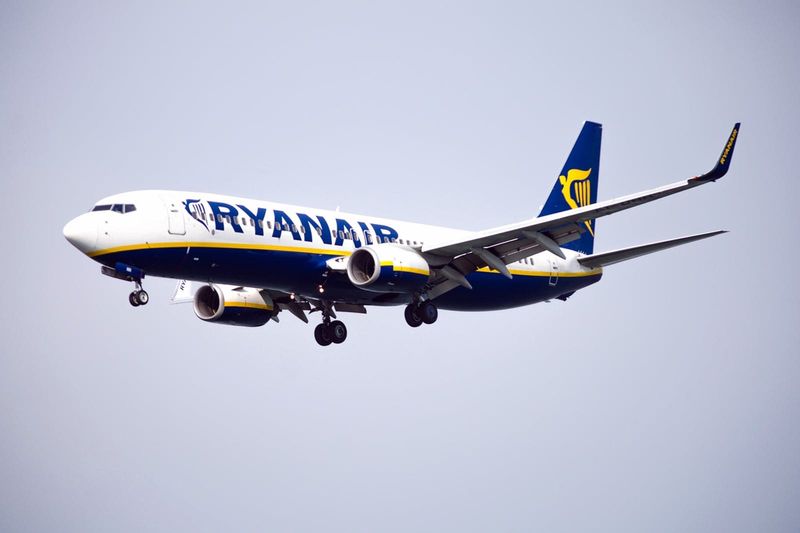
The decision came after airspace southwest of the volcano was closed due to ash drift. Dozens of flights operated by Ryanair, easyJet, ITA Airways, and Wizz Air were scheduled to land that day, leaving passengers scrambling to confirm whether their journeys would proceed.
SAC urged travelers to check flight status directly with airlines before heading to the terminal, noting that conditions were being monitored continuously and further restrictions could follow depending on how the eruption evolved.
Why Ash Matters for Aviation
Volcanic ash poses a tangible threat to aircraft. The fine particles reduce visibility and can infiltrate engines, potentially causing mechanical failure or damaging critical components. It's why aviation authorities treat ash clouds with such caution, even when eruptions appear modest from the ground.
Italy's National Institute of Geophysics and Volcanology reported that the eruption was active at vents around 2,750 and 2,360 meters altitude, feeding multiple lava flows across extensive fields. The institute's Volcano Observatory Notice for Aviation remained at red, the highest alert level, signaling an ongoing hazard.
Catania handles more passengers than any other airport in Sicily and ranks fifth nationally in Italy, making disruptions especially consequential during the summer months when tourist traffic peaks. The timing matters: August is when European vacationers flood the island for beaches, culture, and precisely the kind of volcanic landscapes that occasionally remind everyone they're still very much alive.
A Familiar Pattern
This marks the second significant closure at Catania in just over a month. On 6 July, both arrivals and departures were suspended after ash entered the airspace, leading to around 130 cancellations and roughly 50 diversions. Aircraft bound for Catania were rerouted to Palermo, Comiso, and Trapani, stretching resources across the island.
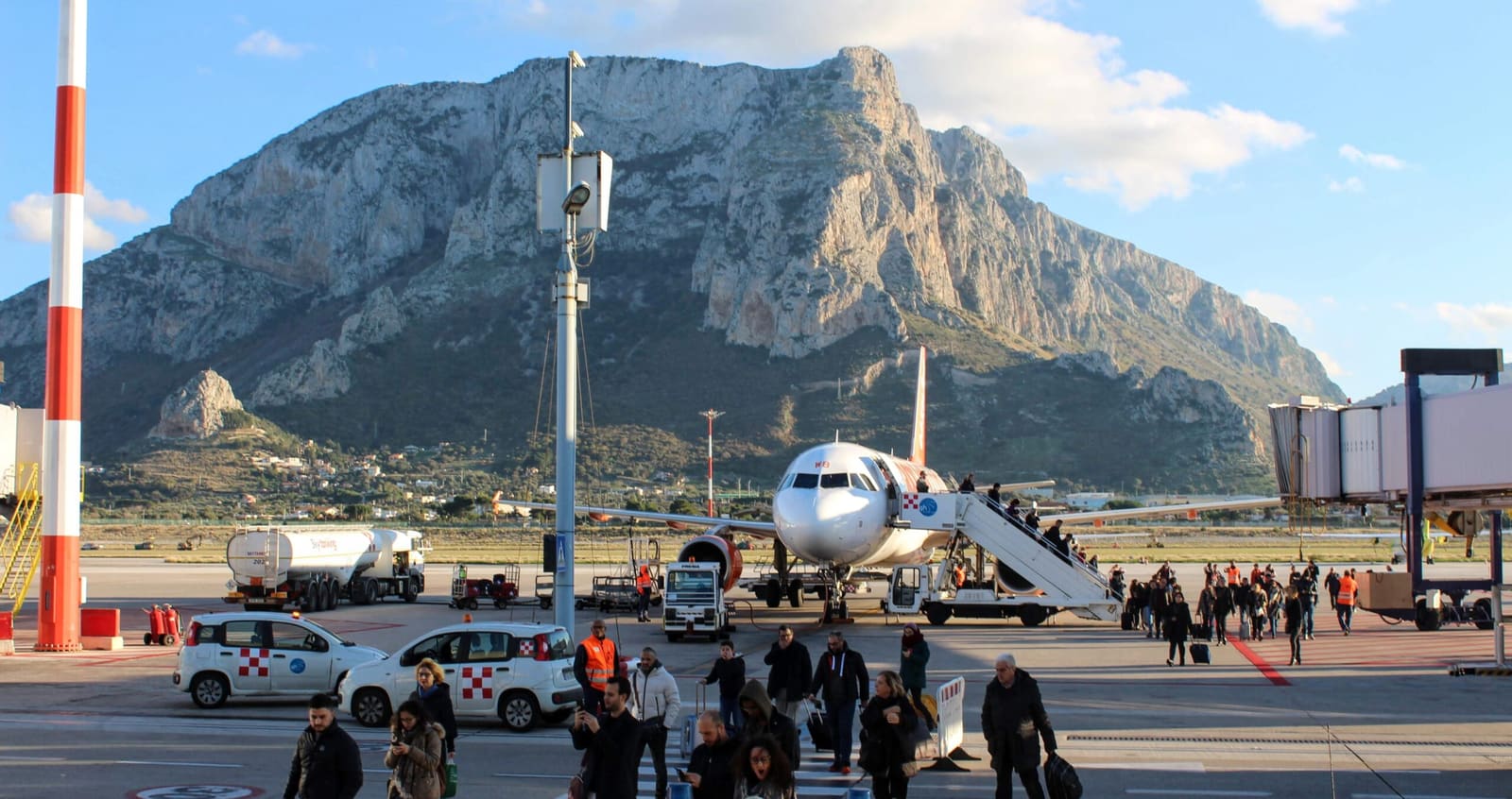
Palermo Airport, on Sicily's northwestern coast, operated normally during Monday's disruption, offering an alternative for passengers whose plans were upended.
Etna is one of the world's most active volcanoes, and its location on Sicily's east coast means eruptions routinely interfere with air traffic serving the region. The pattern is predictable in the broadest sense, but the timing and severity of individual events remain difficult to forecast with precision. Airlines and passengers alike have learned to build flexibility into travel plans when flying in and out of Catania, particularly during periods of heightened volcanic activity.
What Travelers Should Know
Flight schedules can shift rapidly as volcanic activity changes, ash clouds move, and weather patterns evolve. Checking directly with airlines before departure is essential, not just recommended. Rebooking policies during weather and natural events vary by carrier, so understanding your ticket conditions ahead of time can save frustration later.
For those with tight connections or non-refundable bookings elsewhere in their itinerary, building in buffer time when traveling through Catania during active periods is worth considering. The volcano doesn't operate on a schedule, and neither do the closures it triggers.
Sicily's appeal as a destination is partly tied to its dramatic geology, but that same geology occasionally reminds visitors that convenience and nature don't always align. Etna will keep erupting, and Catania will keep closing when the ash drifts the wrong way. Travelers who accept that reality tend to fare better than those who don't.