A New Benchmark in Extended Sailing
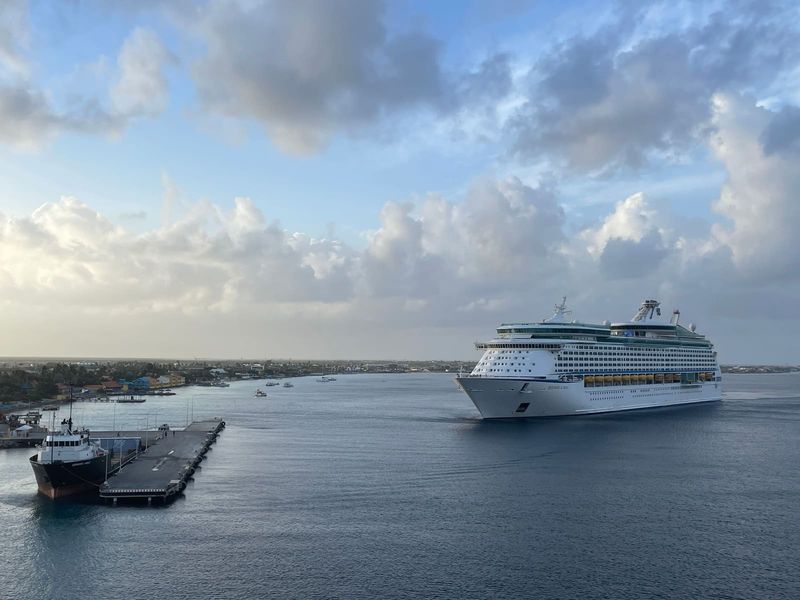
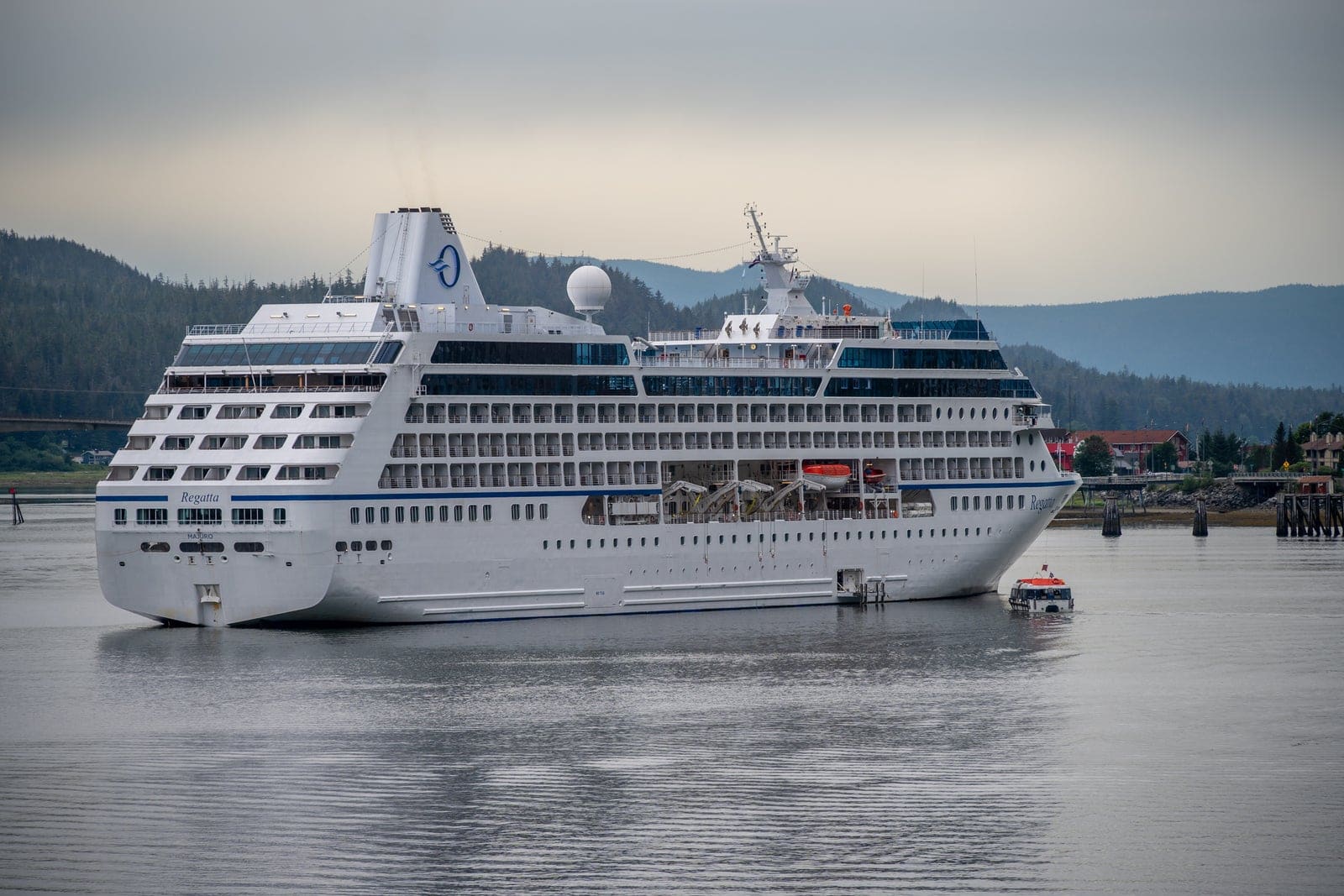
A 371-day voyage aboard Oceania Regatta has become the longest continuous cruise itinerary available to travelers. The sailing departed Rome in early September, carrying up to 700 passengers on a route that covers 220 ports across 62 countries. The previous record holder, a Royal Caribbean itinerary, ran 274 nights, making this new offering nearly 100 days longer.
The journey is a collaboration between Flight Centre Travel Group and Norwegian Cruise Line, marketed under the Explorations by Norwegian brand. The ship itself is relatively intimate by modern cruise standards, with 348 cabins, a size that allows access to smaller harbors that larger vessels cannot reach.
What the Itinerary Covers
The route sweeps through a broad range of climates and geographies. Passengers will sail through the Arctic to view the northern lights, visit Greek islands in the Mediterranean, transit the Panama Canal, cruise Alaska's coastline, and navigate the Amazon River. The itinerary also includes stops in Asia, with access to sites such as the Great Wall of China.
This breadth is both the appeal and the challenge. A year at sea demands flexibility in health, work arrangements, and personal commitments. It also requires tolerance for the rhythm of constant movement, where unpacking is a one-time event and home becomes a cabin with a porthole.
Pricing and Segmented Options
The full 371-day voyage starts at £56,000 per person, a figure that includes a premium drinks package, wifi, pre-paid gratuities, specialty dining, and $50 in onshore excursion credit per port. Guests can choose from three excursion styles: Highlights, Local Discovery, and Active Adventure, allowing some customization within the structured itinerary.
For those unwilling or unable to commit to a full year, the voyage is divided into 24 shorter sailings across different regions. One example is a 201-night segment departing Sydney in February 2027, touring Australia, Asia, and the US before finishing in the UK, priced at £34,990 per person. A 12-night Norwegian fjords leg in October 2026, running from Copenhagen to Southampton, starts at £1,629 per person including flights.
The segmented approach addresses a practical reality: few travelers can or want to spend an entire year away. Breaking the itinerary into digestible chunks opens the experience to a wider audience while preserving the logistical efficiency of a single, long route.
The Case for Smaller Ships
Oceania Regatta's 700-passenger capacity positions it well below the mega-ships that dominate the cruise industry. According to David Gooch, chief executive of Iglu Cruise, the smaller size enables the ship to dock in ports that larger vessels bypass, offering "deeply immersive, authentic shore experiences."
This is a meaningful distinction. As cruise ships have grown, so has their exclusion from smaller harbors and historic town centers. A boutique vessel can pull into places where a 5,000-passenger ship would overwhelm local infrastructure or simply not fit. The trade-off is fewer onboard amenities and entertainment options, but for travelers prioritizing destination access over floating resort features, the calculus works.
Who This Appeals To
A year-long cruise is not a mass-market product. It attracts retirees with time and disposable income, remote workers with location flexibility, and travelers for whom the journey itself is the destination. The demographic skews older, though the rise of digital nomadism has introduced a younger cohort willing to work from sea.
The appeal also lies in simplicity. One booking handles nearly every logistical detail for a year: accommodation, meals, transport between countries, and a curated list of activities. For some, that removes the friction of planning dozens of separate trips. For others, it sacrifices spontaneity and the serendipity of independent travel.
The Economics of Long-Haul Cruising
At £56,000 for 371 days, the daily rate works out to roughly £151 per person, assuming double occupancy. That figure covers lodging, meals, drinks, and some excursions, but not airfare to the departure city or personal spending on shore. It is expensive in absolute terms but competitive when broken down against the cost of a year's worth of hotels, restaurants, and inter-country flights.
The segmented sailings offer better value for money per day, but they also lose the continuity that defines the full voyage. A 12-night fjords trip at £1,629 translates to £136 per day, not far off the full-year rate, but without the narrative arc of circumnavigating the globe.
The Broader Trend
Extended cruises are not new, but they have grown in ambition and frequency. The pandemic disrupted long-haul travel, but the rebound has seen operators pushing the envelope on itinerary length and geographic scope. The 371-day sailing is both a product of that trend and a test of its limits.
There is a question of sustainability, both environmental and market-based. A year-long cruise consumes significant fuel and resources, even with modern efficiency standards. And while there is clearly demand for such voyages, the pool of travelers willing and able to commit remains niche.
For now, the record stands at 371 days. Whether it will be broken again, or whether this represents a practical ceiling, will depend on whether the market rewards the ambition.