A Framework for Closer Cooperation
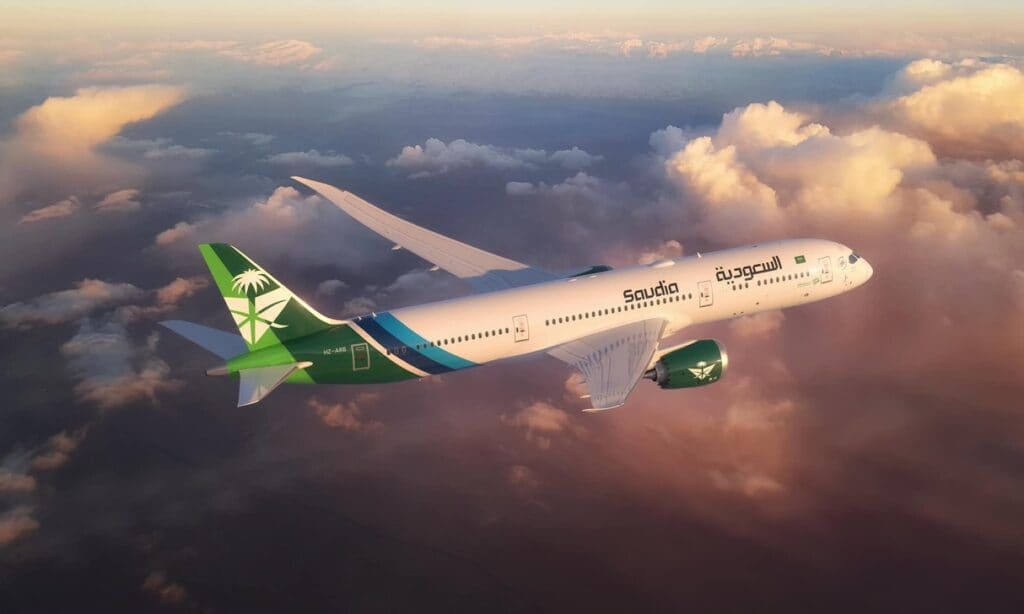
Air India and Saudia put pen to paper on July 23, formalizing plans to expand a partnership that already includes codesharing. The memorandum of understanding lays out a phased roadmap: wider network access, smoother airport transfers, and potential tie-ups between their frequent-flyer programs.
The timing reflects a straightforward reality. Travel between India and Saudi Arabia has been climbing, fueled by business links, religious pilgrimages, family visits, and a tourism sector that both governments are keen to grow. Airlines on both sides have added capacity in recent years, and this agreement is designed to help them capture more of that traffic without duplicating routes.
What the Deal Covers
The partnership builds on an existing codeshare that lets passengers book connecting flights across both carriers. Under the new framework, that arrangement will widen to cover more city pairs. The airlines are also exploring co-location at key airports, which would let travelers move between flights without changing terminals or rechecking bags.
Further down the line, the agreement could pull in sister brands. Saudia operates flyadeal, a low-cost arm, while Air India owns Air India Express. Extending the partnership to those carriers would open budget-friendly options alongside full-service flights.
Loyalty programs are another focus. Closer integration between Air India's Flying Returns and Saudia's Alfursan could mean reciprocal earning and redemption, a feature that frequent travelers tend to notice.
Market Context
India is one of the largest sources of international passengers in the world, and Saudi Arabia sits at a geographic crossroads between Asia, Europe, and Africa. Saudia has been rebuilding its network after pandemic contractions, while Air India, under new ownership since 2022, has been signing partnerships at a rapid clip. The carrier now holds 25 codeshare agreements and more than 120 interline deals, connecting passengers to over 1,000 destinations.
For Saudi Arabia, the push goes beyond aviation. The kingdom has been investing heavily in tourism infrastructure as part of a broader economic diversification plan. Better air links with India support that strategy, especially as Indian travelers represent a significant and growing outbound market.
Leadership Perspectives
Ibrahim Al-Omar, who leads Saudia Group, called India an important market and emphasized the goal of offering passengers greater choice and flexibility as demand rises. Campbell Wilson, Air India's chief executive, pointed to strengthening ties between the two countries across sectors and said the airlines are well positioned to deepen collaboration in ways that benefit customers.
Both executives framed the deal in pragmatic terms: matching capacity to demand, improving service quality, and creating commercial value for their respective operations.
What Travelers Can Expect
In practical terms, passengers should see more one-ticket itineraries, fewer connections through third hubs, and better schedule coordination. A traveler flying from Mumbai to Riyadh, or from Delhi onward to Jeddah and beyond, will have more routing options and, ideally, shorter layovers.
The deal also opens up secondary markets. Saudia serves destinations across the Middle East, North Africa, and Europe, while Air India covers a sprawling domestic network and growing international reach. Combined, the two carriers can offer journeys that would otherwise require multiple bookings or inconvenient transfers.
Broader Implications
Air connectivity often moves in tandem with trade and investment. India and Saudi Arabia have been expanding economic engagement, with Saudi investment flowing into Indian infrastructure, energy, and technology sectors. Easier travel supports that activity, making it simpler for executives, engineers, and consultants to move between the two countries.
Tourism is another dimension. Saudi Arabia has been opening up to leisure travelers, loosening visa rules and developing attractions beyond religious sites. Indian tourists, already familiar with the kingdom through pilgrimage, represent a natural audience for that expansion.
At the same time, the partnership reflects competitive pressure. Gulf carriers like Emirates, Qatar Airways, and Etihad have long dominated India-to-world traffic, using their hubs to funnel passengers between continents. Air India's strategy under its current owners has been to reclaim some of that market share by building direct routes and partnerships that bypass the Gulf entirely or, as in this case, work with a Gulf carrier on more balanced terms.
Looking Ahead
The memorandum sets a direction, not a finished product. Implementation will take time, and some elements, like loyalty integration and terminal co-location, involve logistical complexity and negotiation with airport authorities. But the framework is in place, and both carriers have reasons to move quickly.
For now, travelers between India and Saudi Arabia have more options on the horizon, and the aviation map linking the two countries is about to get a little more connected.