A Gateway Under Pressure
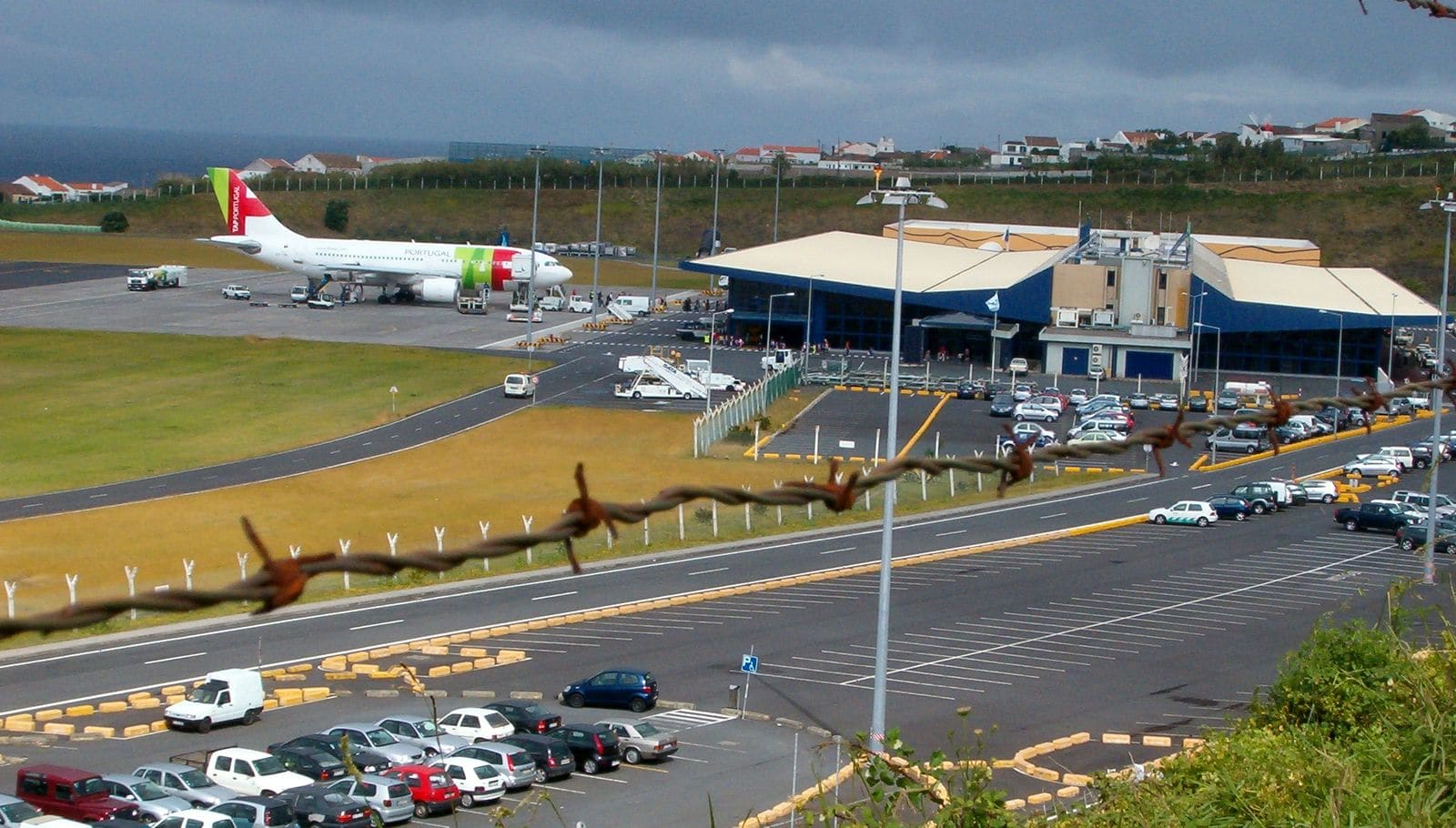
João Paulo II Airport in Ponta Delgada handled roughly 3 million travelers last year, according to Portugal's Minister of Infrastructure and Housing, Miguel Pinto Luz. A decade ago, the figure stood at approximately 1 million. The tripling reflects the broader surge in arrivals to the Azores, where volcanic landscapes and coastal scenery have drawn increasing attention from European and North American visitors.
The airport sits on São Miguel, the archipelago's most populous island, and operates as the primary air link between the nine-island chain and the mainland. Direct flights connect Ponta Delgada with Lisbon, Porto, and a growing roster of seasonal routes to cities across the continent and the Atlantic.
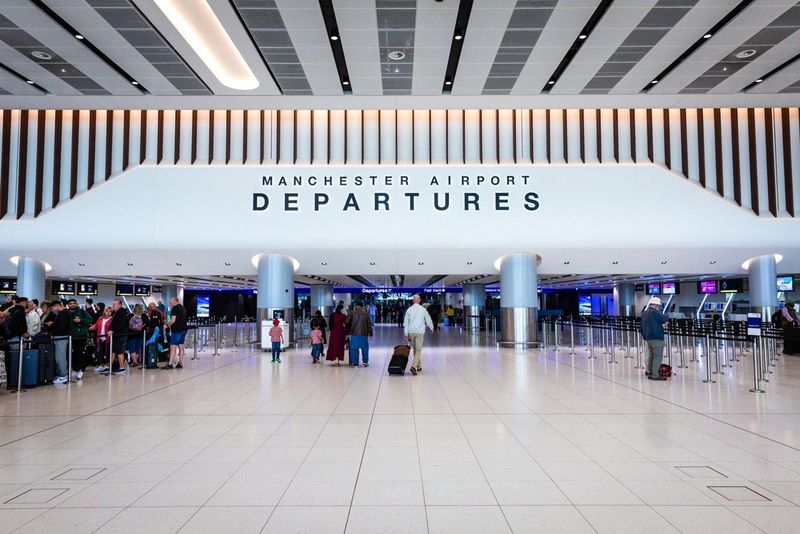
That growth has left the existing terminal struggling. Check-in queues lengthen during peak summer weeks, and gate areas fill quickly when multiple wide-body aircraft arrive within the same hour. The infrastructure, designed for a quieter era, no longer matches the volume passing through it.
Nearly Doubling the Footprint
ANA, the state-owned airport operator, unveiled plans in late 2025 to expand the terminal by around 15,000 square meters, nearly doubling its size. The project targets completion by 2030 and will more than double check-in capacity, widen security checkpoints, and add space at boarding gates and border control zones.
An earlier proposal had envisaged a more modest addition of 4,000 square meters, representing roughly 30 percent of the terminal's former area. The revised plan reflects both the pace of recent growth and expectations that demand will continue climbing through the decade.
The overhaul aims to smooth passenger flow and reduce bottlenecks during high-season arrivals. For the Azores, the investment carries economic weight; tourism now accounts for a significant share of regional income, and efficient air access underpins that revenue.
Part of a €400 Million National Program
Ponta Delgada's expansion sits within a broader national effort involving more than €400 million of investment across Portugal's airport network, according to Pinto Luz. The funding spans improvements at facilities in Porto, Faro, Madeira, and other locations, addressing immediate capacity needs while the country prepares for a far larger undertaking.
That undertaking is the Luís de Camões Airport, a new hub planned for the Alcochete site across the Tagus River from Lisbon. ANA presented updated technical plans last week. The project carries an estimated price tag of between €7.9 billion and €8.9 billion at 2024 prices, making it one of the largest infrastructure initiatives in Portugal's recent history.
The design calls for two runways and a terminal spanning approximately 500,000 square meters, with 64 gates and 72 jet bridges. Initial capacity is projected at 56 million passengers per year, with room to expand to 85 million over time. Construction is scheduled to begin in 2029, finish in 2033, and allow operations to start by 2035, though that timeline depends on environmental clearances, approvals, and execution.
Bridging the Gap Until Lisbon's New Hub Opens
Until the new airport opens, Lisbon's Humberto Delgado Airport will continue operating, and investment will flow into incremental upgrades there and at other hubs. Humberto Delgado already operates near its practical limits during summer months, when transatlantic arrivals and intra-European connections overlap. The strain has prompted calls for relief, but the construction timeline for Alcochete means the existing facility must manage demand for at least another decade.
Plans for the new airport include a high-speed rail link designed to cut travel time between the terminal and central Lisbon to around 20 minutes. The connection would use the planned Third Tagus Crossing, integrating the airport into Portugal's wider transport network and reducing reliance on road transfers.
The parallel investments in Ponta Delgada and elsewhere reflect a recognition that growth is not confined to the capital. The Azores have benefited from marketing campaigns positioning the islands as a nature-focused alternative to busier Mediterranean destinations, and airlift has followed. Carriers have added frequencies and opened new routes, feeding the passenger surge that now requires larger terminals and more efficient processing.
Balancing Growth and Capacity
The challenge for Portugal lies in matching infrastructure to demand without overbuilding or falling behind. The Azores' visitor economy depends on reliable air access, yet uncontrolled growth risks straining local resources, from water supply to waste management. Ponta Delgada's expansion addresses the aviation side of that equation, but broader questions about carrying capacity and sustainable tourism remain open.
For now, the focus is on construction. Doubling the terminal's footprint will ease congestion and improve the arrival experience, but it also signals an expectation that the islands will continue drawing more visitors each year. Whether that growth proves sustainable, or whether it eventually prompts new constraints, will shape the Azores' tourism industry for years to come.
Portugal's airport masterplan, spanning from the Azores to Lisbon to the Algarve, reflects a country recalibrating its infrastructure for an era of higher mobility. The investments are substantial, the timelines are long, and the stakes are high. In Ponta Delgada, where passenger numbers have tripled in ten years, the expansion is already underway.