Selective Impact on Ground Operations
Brussels airport confirmed that approximately 100 departures and arrivals would not operate on Friday, 9 October, as ground handling personnel from Alyzia joined a nationwide strike across Belgium. The disruption represents roughly one-fifth of the airport's scheduled movements for the day, with around 400 services still expected to proceed.
The walkout affects only flights serviced by Alyzia, one of two principal ground handling companies operating at the airport. Airlines contracting with Alyzia include Brussels Airlines, Emirates, and United Airlines, all of which face potential cancellations or delays. The airport anticipates that just half of Alyzia's usual workload will proceed as planned, with the remainder scrapped from the schedule.
Carriers using Aviapartner, the airport's other major ground handler, remain unaffected. That list includes the bulk of airlines serving British destinations: British Airways, easyJet, Ryanair, TUI, and Wizz Air. For passengers on those carriers, Friday operations should continue without interruption.
Brussels airport published a reference document listing every airline operating from the terminal, alongside its assigned ground handler and contact information. The airport noted that cancellations appear on the flight overview only after the airline formally registers them in the system, meaning real-time updates depend on carrier responsiveness rather than ground handler status alone.
A Pattern of Recurring Labour Action
The strike on 9 October is the third nationwide labour action in Belgium this year. Similar protests took place on 12 March and 12 May, both involving multiple sectors and causing transport disruptions across the country. Friday's action follows the same template: union demands that extend beyond aviation, with airport workers joining a broader coalition of public and private sector employees.
In a statement, Brussels airport management expressed regret over the inconvenience but stopped short of criticising the union action directly. The careful phrasing reflects the delicate balance airports must strike when caught between labour disputes and passenger expectations, particularly in a country with a strong tradition of collective bargaining and public sector activism.
Belgium's aviation sector has seen repeated flare-ups this year. Last month, Brussels South Charleroi airport experienced its own wave of cancellations when air traffic controllers walked off the job. That action targeted a different part of the operational chain but produced similar passenger-facing results: last-minute cancellations, rebooking chaos, and frustration among travellers who had little warning.
The recurrence of these disruptions raises questions about the resilience of Belgium's aviation infrastructure during periods of labour unrest. Unlike weather events or technical failures, strikes are often announced with some lead time, yet airlines and airports frequently struggle to communicate changes quickly enough to prevent passengers from arriving at terminals for flights that no longer exist.
Ground Handling as a Chokepoint
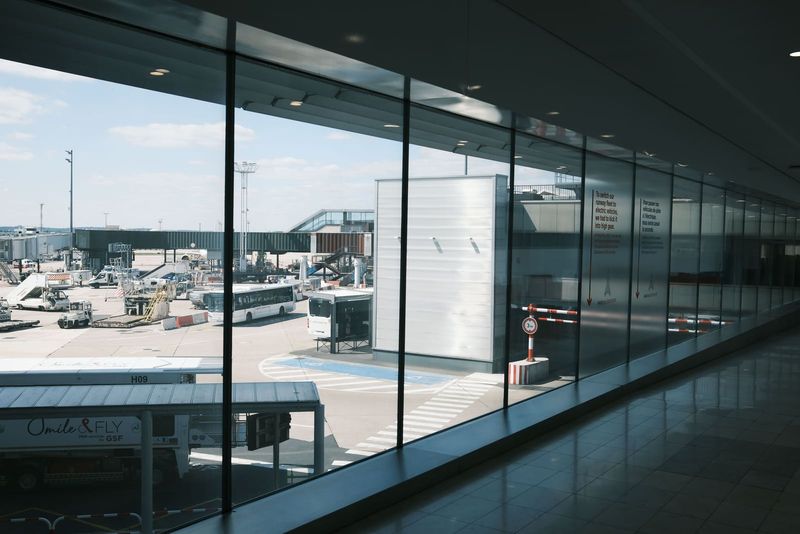
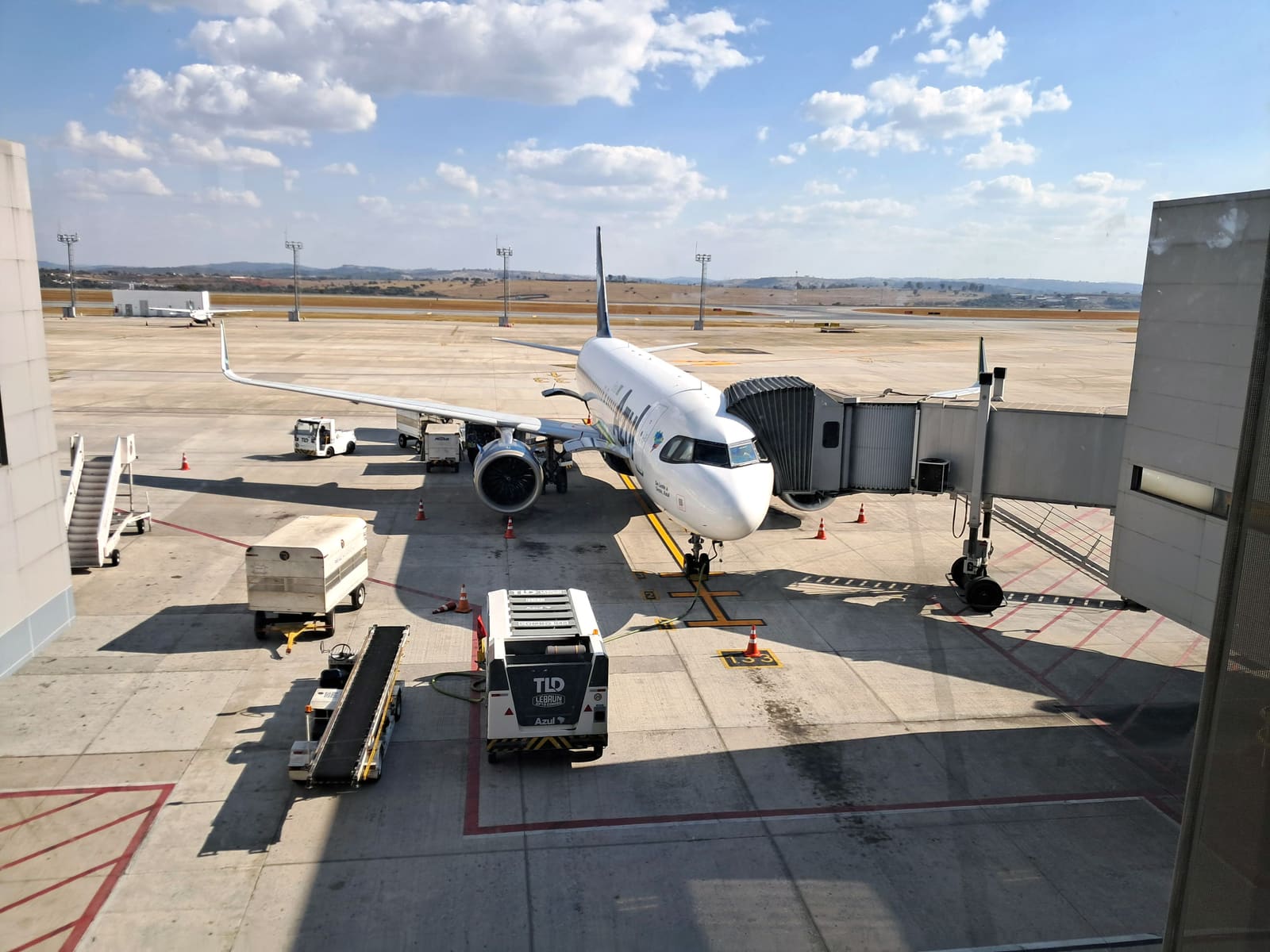
Ground handlers occupy a critical but often invisible position in airport operations. They manage baggage loading, aircraft marshalling, cabin cleaning, refuelling coordination, and the myriad tasks that turn an empty aircraft into a departure-ready service. When ground staff walk out, even a fully crewed aircraft with a clear runway slot cannot move.
The concentration of these services in the hands of two major providers at Brussels airport means that a strike at one company can ripple through a significant portion of the schedule. Alyzia's client roster skews towards full-service and long-haul carriers, amplifying the impact on passengers who may have connecting flights or tight itineraries. A cancelled transatlantic departure can strand passengers for days, not hours, depending on seat availability and airline policies.
The fact that Aviapartner services remain operational highlights the fragmented nature of ground handling contracts. Airlines choose handlers based on cost, service level agreements, and historical relationships, not on strike resilience. There is no mechanism for passengers to know, at the time of booking, which ground handler will service their flight or what labour relations look like at that company.
This opacity becomes a problem when disruptions occur. Passengers checking the airport's official departure board may see their flight listed as on-time until the moment the airline registers a cancellation, leaving little time to rearrange plans or seek alternative routes.
Broader Disruptions Beyond the Runway
The strike extends well beyond the airport perimeter. Public transport networks across Belgium face significant interruptions on Friday, with unions representing bus, tram, metro, and rail workers participating in the nationwide action. Brussels airport advised passengers to consult the websites of De Lijn, MIVB/STIB, and NMBS/SNCB before travelling, noting that getting to and from the terminal may prove as challenging as the flight itself.
The UK Foreign Office issued updated travel advice warning British nationals in Belgium to expect delays and service reductions. The advisory also noted that a demonstration would take place in central Brussels on Friday, urging travellers to avoid protest areas and monitor local news for developments.
For visitors unfamiliar with Belgium's transport geography, the combination of flight cancellations and reduced public transport options can be disorienting. Brussels airport lies roughly 11 kilometres northeast of the city centre, accessible primarily by train and bus. When those services run on reduced schedules or stop altogether, taxis and ride-hailing apps become the default, often at surge prices that reflect the sudden spike in demand.
A second round of union action is scheduled for Monday, 12 October, though Brussels airport does not anticipate flight cancellations on that date. The focus will shift back to public transport, with similar disruptions expected on road and rail networks. The staggered timing suggests that unions are calibrating their actions to maximise visibility and bargaining leverage without exhausting their membership or public goodwill.
What Passengers Can Do
Airlines are required under European Union regulations to provide rebooking or refunds for cancelled flights, along with meals and accommodation if passengers are stranded overnight. However, the speed and quality of that assistance varies widely by carrier. Full-service airlines often have more robust rebooking systems and customer service infrastructure, while low-cost carriers may direct passengers to online portals with limited human support.
Travellers affected by Friday's cancellations should check their airline's app or website for rebooking options before heading to the airport. Many carriers allow passengers to reroute themselves through alternative hubs or accept refunds without speaking to an agent, saving hours of queue time at check-in desks.
Travel insurance policies that include "strike cover" may reimburse additional expenses, though the fine print often excludes strikes that were publicly announced before the policy was purchased. Passengers who booked after the unions announced the 9 October action are unlikely to receive compensation beyond what the airline is legally required to provide.
The larger lesson is that strikes in Belgium's aviation sector are no longer anomalies. Three nationwide actions in a single year, plus sector-specific walkouts at individual airports, suggest that labour tensions are entrenched rather than episodic. Passengers booking travel through Belgium may want to build buffer time into their itineraries, particularly during autumn and spring when union activity historically peaks.
Brussels airport's decision to publish a detailed list of airlines and their ground handlers is a small but useful step towards transparency. It allows passengers to assess their exposure to future disruptions and make informed choices about routing and carrier selection. Whether that transparency will extend to advance warning systems or compensation frameworks remains to be seen.