Fewer Seats, More Revenue
British Airways is pulling 52 seats out of its Airbus A380s. The refurbished aircraft will carry 417 passengers instead of 469, a deliberate shrinkage that might seem puzzling for a carrier operating from slot-constrained Heathrow. But the logic becomes clear when you look at where those seats are going.
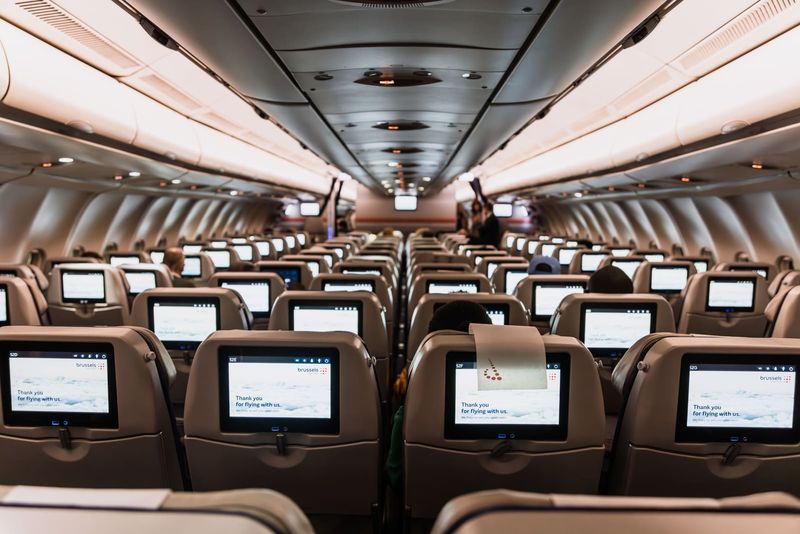
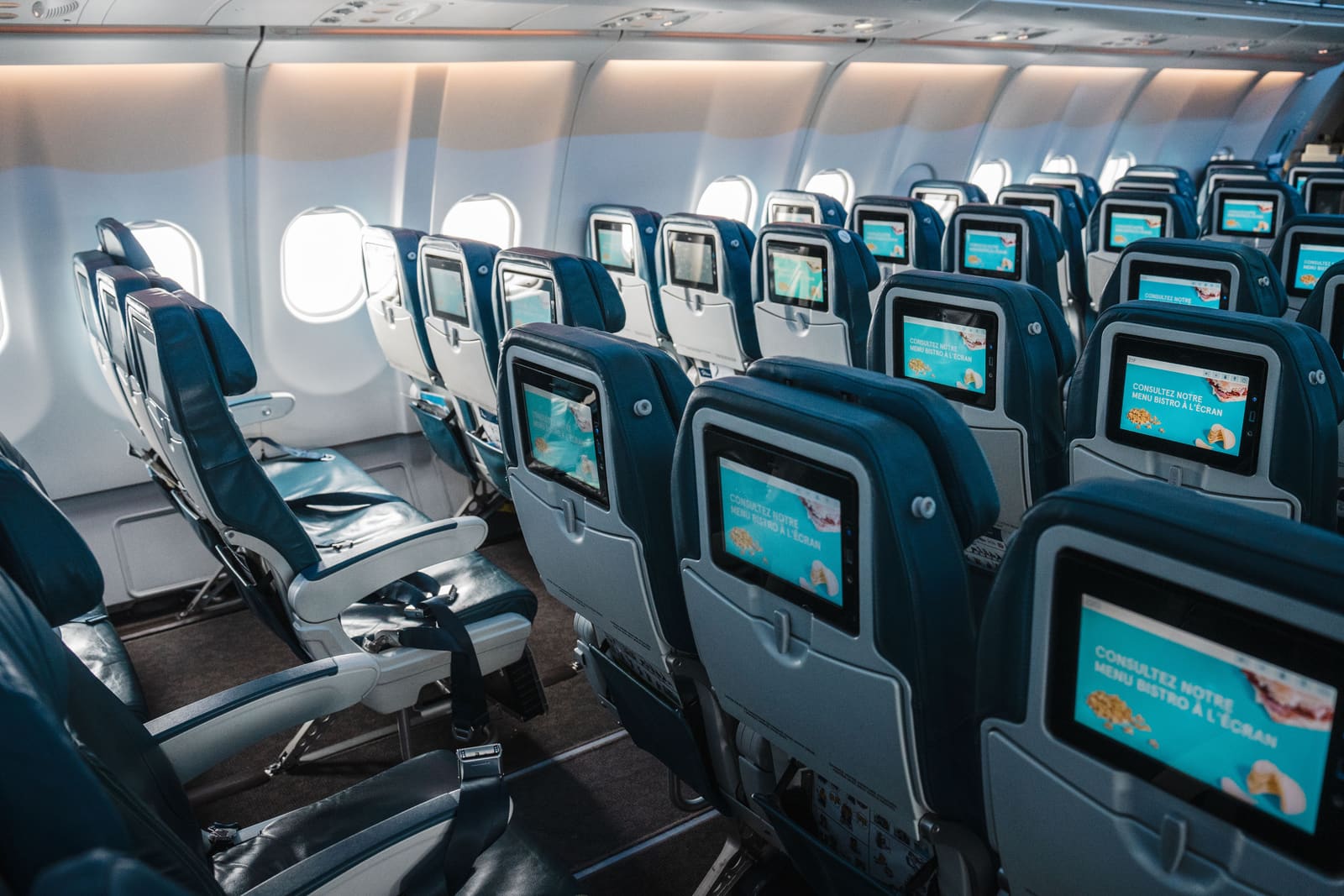
Economy class takes the biggest hit. The carrier is cutting 88 seats from the back of the aircraft, leaving just 215 economy seats per plane, a reduction of roughly 30 per cent. That's a significant pullback from the mass-market segment that traditionally filled these double-deckers.
In return, British Airways is pouring capacity into the cabins that generate higher revenue per passenger. The entire upper deck will now house Club World business class, creating what the airline calls the world's largest business-class cabin with 106 Club Suites. Premium economy, marketed as World Traveller Plus, will grow by 29 seats to 84, an increase of more than half. First class dips slightly from 14 suites to 12, but the overall direction is unmistakable.
The Economics Behind the Shift
Airlines have long known that premium cabins generate disproportionate revenue. A single business-class seat can bring in three to five times what an economy seat does on the same flight, sometimes more on long-haul routes. Premium economy sits somewhere in between, offering a meaningful margin improvement over standard economy with relatively modest increases in seat pitch and service.
At an airport like Heathrow, where runway slots are finite and fiercely guarded, each departure is precious. Carriers can't simply add more flights to capture demand, so they have to extract more value from the flights they already operate. Shifting the cabin mix towards passengers willing to pay for extra space and service is one of the most direct ways to do that.
British Airways is far from alone in this strategy. Carriers across the Atlantic and Pacific have been quietly trimming economy seats and expanding premium cabins for years. The pandemic accelerated the trend as business travel recovered faster than expected in some markets, and as airlines discovered that a segment of leisure travellers would pay up for comfort on longer flights.
What It Means for Passengers
For travellers, the trade-off is straightforward. If you're looking for an economy seat on a British Airways A380, there will be fewer to go around. That scarcity could push fares higher, particularly on popular routes where demand already outstrips supply. It also means that passengers who might have secured an economy ticket in the past may find themselves priced into premium economy or onto a competitor's flight.
On the other hand, the expansion of business and premium economy means more availability in those cabins. Travellers using points or miles may find it easier to redeem for upgraded seats, and corporate travellers who need flexibility or comfort will have more options within the British Airways network.
The reconfiguration also signals where the airline sees its competitive advantage. British Airways is not trying to be the budget option on transatlantic or Asia routes. It's positioning itself as the carrier for passengers who value a certain level of service and are willing to pay for it, even if that means the cheapest seats become harder to find.
A Broader Industry Pattern
This isn't a one-off decision by British Airways. The carrier's move reflects a wider recalibration across the industry. Airlines are increasingly segmenting their fleets, with some aircraft dedicated to high-density routes where price is the main driver, and others configured for routes where premium demand justifies a different cabin mix.
The A380, in particular, has become a vehicle for this kind of strategy. The aircraft's sheer size and two-deck layout make it well suited to large premium cabins without sacrificing all economy capacity. Several carriers have already retrofitted their superjumbos with more business-class seats, and British Airways is now following that path.
Whether this approach proves sustainable depends on demand holding up. If business travel softens or if leisure passengers balk at higher fares, airlines may find themselves with too much premium capacity and not enough passengers to fill it. For now, though, the calculus favours fewer seats and higher revenue per departure.