A Quiet Retreat from the North
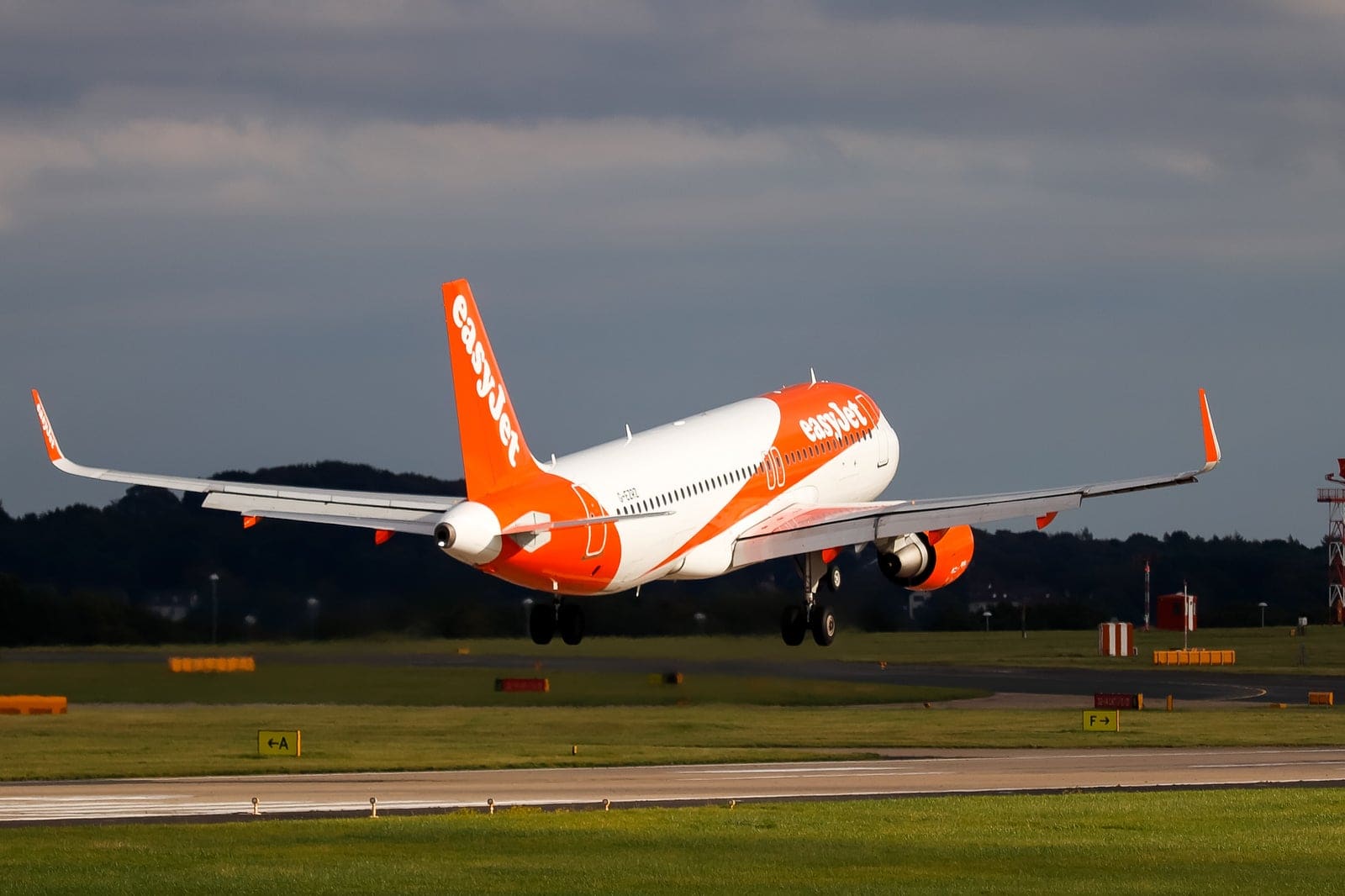
EasyJet will withdraw completely from Leeds Bradford Airport on 5 January 2027, severing ties with a regional base it first served in 2010. The budget carrier currently connects the West Yorkshire facility to Barcelona, Belfast, Mallorca, Malaga and Paris, but none of those links will survive the new year.
The airline framed the decision as a performance-driven portfolio adjustment. A spokesperson noted that the company reviewed its route network and chose to concentrate resources where customer demand registers strongest. Passengers holding reservations beyond early January have received notices offering either a complimentary transfer to flights departing from another airport or a full refund.
The exit is not a sudden collapse. EasyJet's first service from the airport was a Geneva route launched sixteen years ago, and the carrier has maintained a presence through successive shifts in the UK regional aviation landscape. Yet the decision to pull out entirely, rather than trim a route or two, signals a judgment that no configuration at Leeds Bradford meets the airline's profitability threshold.
What Stays Behind
Three other low-cost operators continue to serve the airport. Wizz Air, Jet2, and Ryanair all maintain active schedules, and Jet2 recently announced two additional weekly services to Preveza and Santorini starting in summer 2027. That expansion suggests the market is not uniformly weak; rather, different carriers are reading the same passenger data and arriving at opposite conclusions.
Jet2's confidence is visible in its route announcements. Declan Maguire, Aviation Director at Leeds Bradford, highlighted the Preveza and Santorini additions as proof that Yorkshire travelers want variety. His comment that the network development gives the region "greater choice, flexibility and inspiration" was made in May, well before EasyJet's withdrawal became public. The timing underscores a divergence in strategy: one carrier sees opportunity where another sees insufficient return.
The Economics of Regional Bases
Regional airports occupy an awkward middle ground. They lack the volume and frequency advantages of major hubs, yet they promise lower operating costs and less congestion. For a low-cost carrier, the arithmetic works only if passenger numbers justify the fixed expense of maintaining a base, crew, and ground operations.
Leeds Bradford serves a catchment area of roughly 5.3 million people across West and North Yorkshire, yet it competes for traffic with Manchester Airport to the southwest and Newcastle to the north. Both offer broader route networks and higher frequencies, and many travelers are willing to drive an extra hour for a direct flight or a cheaper fare. The airport recorded approximately 3.5 million passengers in 2023, a figure that remains below pre-pandemic levels and well short of the 4 million milestone it briefly touched in 2019.
EasyJet's decision reflects a broader trend among low-cost carriers: rationalize where yield is uncertain, and redeploy capacity to routes where load factors stay consistently high. The airline has made similar exits from other UK regional airports in recent years, preferring to concentrate frequency at larger bases where it can dominate slots and achieve better aircraft utilization.
The Passenger Perspective
For travelers in West Yorkshire, the immediate impact is a narrowing of options. EasyJet's Barcelona and Malaga routes were popular leisure links, and the Belfast service provided a convenient connection to Northern Ireland. Those destinations remain accessible via other carriers or through a longer drive to Manchester, but the loss of competition typically translates into higher fares and less schedule flexibility.
The airline's offer of free transfers or refunds is standard practice, yet it does little to restore the convenience of a local departure. Passengers who booked a morning flight from Leeds Bradford may find that the nearest alternative involves an early drive or an overnight stay near another airport. The inconvenience is measurable, even if the airline frames the withdrawal as a routine network adjustment.
A Test for the Airport
Leeds Bradford has been working to modernize its facilities and attract new carriers. The airport secured planning permission in 2023 for a new terminal building designed to handle up to seven million passengers annually, though construction timelines remain uncertain. The departure of a major carrier complicates that growth narrative, even as Jet2's expansion provides a counterweight.
Airport management declined to comment publicly on EasyJet's exit, but the loss of a tenant that has operated for sixteen years represents both a revenue hit and a symbolic setback. The challenge now is to demonstrate that the remaining carriers can sustain and grow their operations, and that new entrants see value in the Yorkshire market.
Broader Implications for UK Regional Aviation
EasyJet's withdrawal is not an isolated event. Regional airports across the UK face persistent questions about viability, especially as carriers consolidate around a smaller number of high-performing bases. The pandemic accelerated that trend, and the subsequent recovery has been uneven. Airports that depend on a single carrier or a narrow set of leisure routes are particularly vulnerable to strategic shifts.
The UK government has periodically discussed support mechanisms for regional connectivity, including subsidies for routes deemed socially necessary, but those programs have been limited in scope and funding. Without sustained policy intervention, market forces will continue to dictate which airports thrive and which struggle to retain service.
For EasyJet, the focus remains on network efficiency. The airline operates in a fiercely competitive environment where margins are thin and every route must justify its slot. The decision to exit Leeds Bradford is consistent with that discipline, even if it disappoints passengers who valued the convenience of a local base.
What Happens Next
All EasyJet flights scheduled through 5 January will operate as planned, giving the airline a few months to wind down operations and redeploy aircraft and crew. Passengers affected by cancellations beyond that date have been notified and given options to rebook or receive a refund.
The longer-term question is whether another carrier will step in to fill the gap. Wizz Air and Ryanair both have the fleet capacity to add routes if they see an opportunity, and Jet2's recent expansion suggests it views Leeds Bradford as a viable market. Yet none of those carriers may replicate EasyJet's exact network, leaving some destinations without direct service from the airport.
For now, the Yorkshire travel market will adjust. Some passengers will shift to other carriers, others will drive to Manchester or Newcastle, and a few may reconsider their travel plans altogether. The exit is a reminder that regional connectivity depends on a delicate balance of demand, competition, and carrier strategy, and that balance can shift quickly.