Another Closure, Another Wave of Cancellations
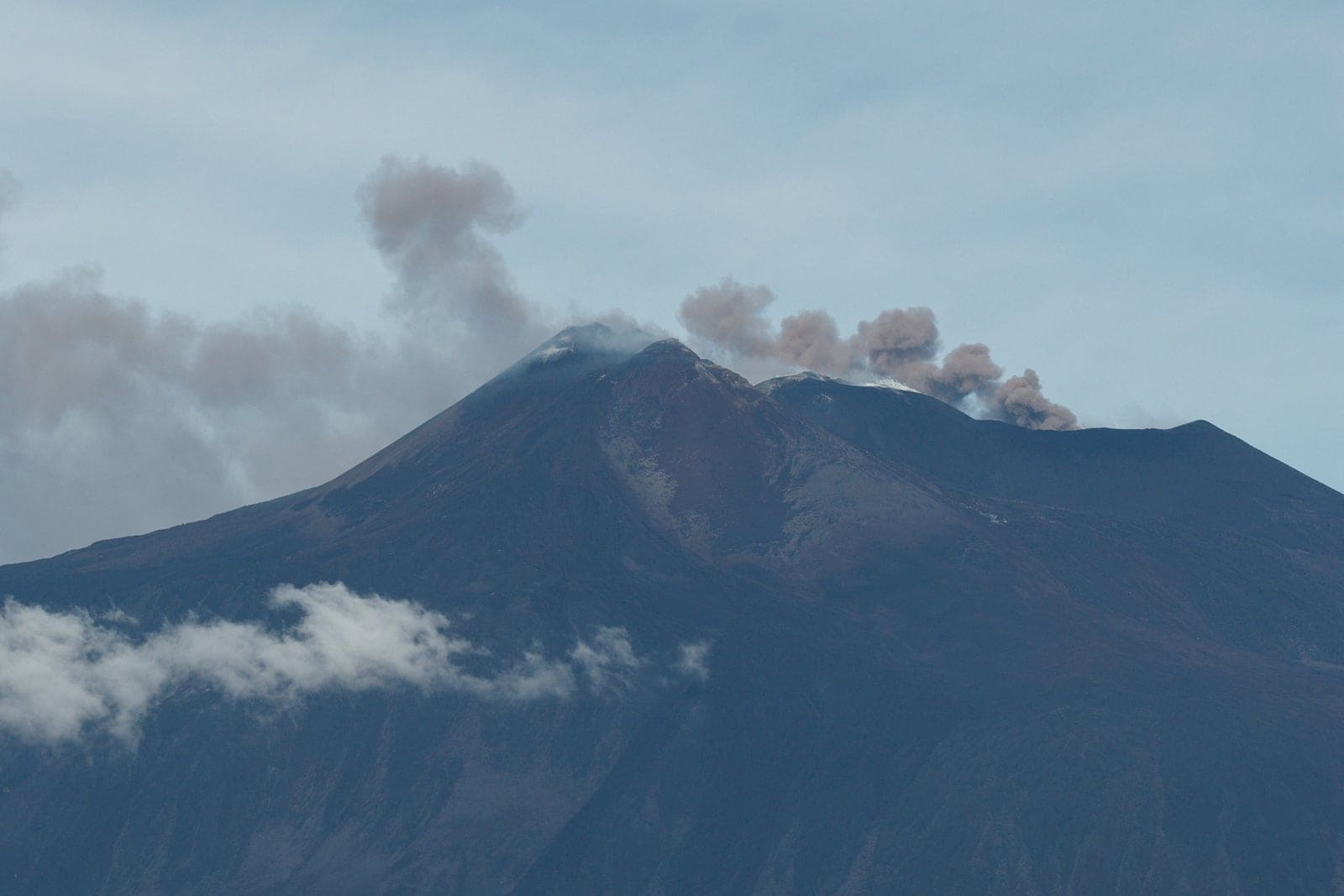
Catania airport suspended all arriving flights on Monday morning, with operations halted until 4 pm local time. The closure, announced by airport operator SAC, marks the latest in a series of disruptions caused by volcanic ash drifting from Mount Etna's summit.
The timing compounds an already difficult summer for travellers to Sicily. Last month, the same airport shut down for five consecutive days during Ferragosto, the Italian mid-August holiday when coastal destinations see their highest visitor numbers. That closure was the longest emergency shutdown since 2002, according to SAC.
Italy's fifth-busiest airport by passenger traffic, Catania sits roughly 30 kilometres south of the volcano. The proximity usually means minor interruptions, but this year's activity has been different in character and duration.
Why This Summer Has Been Worse
Mount Etna erupts frequently, and short flight delays at Catania are routine. What makes the current phase unusual is the persistence of ash emissions rather than their intensity.
Boris Behncke, a researcher at the National Institute of Geophysics and Volcanology's Etna Observatory, noted that while stronger eruptions have occurred in recent decades, the sustained nature of ash output this summer sets the situation apart. Northerly winds have carried fine particles as far as Malta and parts of northern Africa, widening the zone of concern for flight operations.
Volcanic ash poses a direct risk to aircraft engines. When sucked into turbines, the particles can melt and resolidify, causing engines to stall mid-flight. Aviation authorities treat even light ash concentrations with caution, leading to airspace closures that can feel disproportionate to observers on the ground.
The Knock-On Effects
During the five-day closure in August, SAC reported that 36 per cent of nearly 2,000 scheduled arrivals were cancelled outright. More than 600 flights were diverted to alternative Sicilian airports in Palermo, Trapani, and Comiso, as well as Lamezia Terme on the mainland.
The sudden rerouting created bottlenecks across the island. Taxi fares and car rental rates in affected cities jumped sharply as stranded passengers scrambled for onward transport. Italian consumer group Codacons filed a formal complaint with the competition authority, alleging price gouging by local operators during the disruption.
For travellers who had booked accommodation in eastern Sicily, the diversions meant hours of additional ground travel or abandoned plans altogether. The island's public transport links between airports are limited, and summer demand had already stretched capacity before the volcano intervened.
What Comes Next
Etna remains Europe's tallest and most active volcano, and its behaviour is difficult to predict beyond short-term forecasts. The current phase of activity could taper off within days or continue intermittently for weeks.
Airport operators and airlines have little choice but to respond to each ash emission as it occurs. Catania's role as Sicily's primary international gateway means that closures ripple outward, affecting not only inbound tourists but also freight, business travel, and residents' mobility.
For now, passengers booked through Catania face the same advice that applied in August: monitor flight status closely, consider flexible tickets, and have contingency plans for alternative arrival points. The volcano, as always, will set the schedule.