Another Day, Another Closure
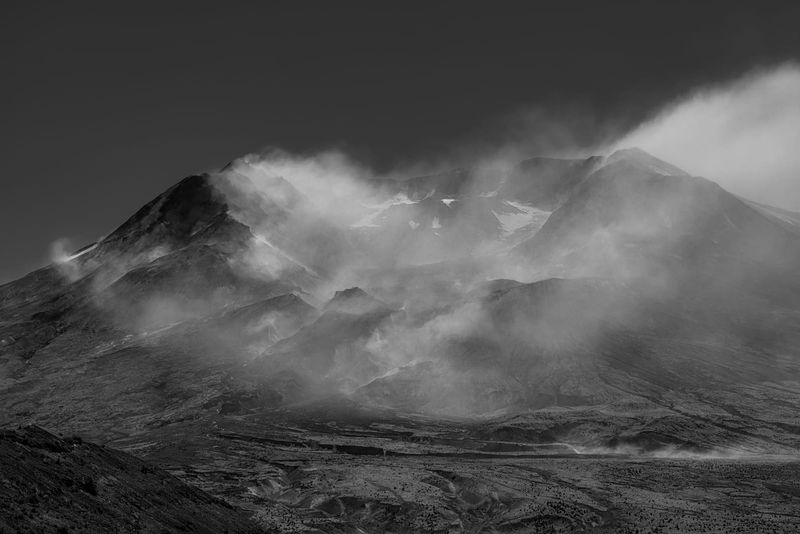
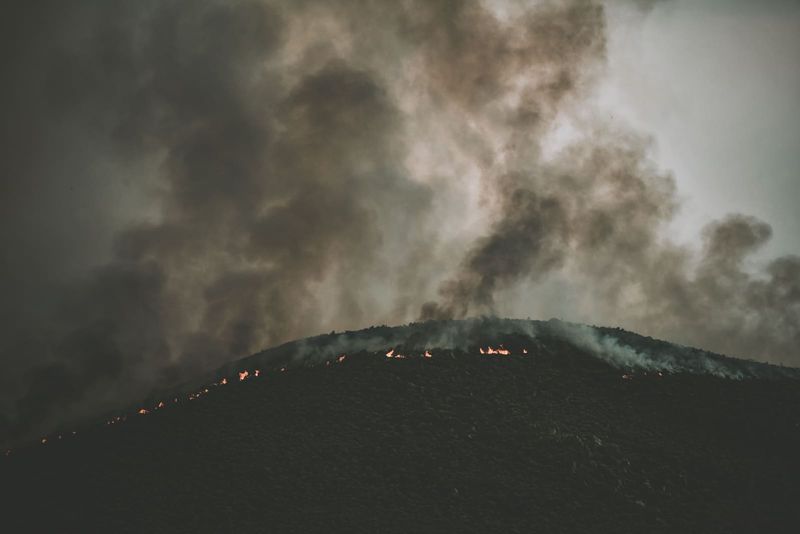
Catania-Fontanarossa Airport extended its suspension until late Monday evening, 28 September, as volcanic ash from Mount Etna continued to drift through airspace used by commercial aircraft. The airport operator, SAC, advised passengers to confirm flight status directly with airlines before travelling, noting that any further extensions would depend on volcanic activity and wind patterns.
The disruption began on Saturday, 26 September, when authorities halted all arrivals and departures. Restrictions carried through Sunday and into Monday, leaving travellers stranded or rerouted across Sicily and beyond. For an airport that ranks as Italy's fifth busiest by passenger traffic, multi-day closures ripple far beyond the island, affecting connections across Europe and the Mediterranean.
A Pattern, Not an Exception
This is far from Etna's first interference with air travel this year. The volcano, Europe's tallest and most restless, has forced Catania to suspend operations multiple times since July. On 14 September, flights were grounded again due to ash. Before that, a five-day shutdown in early August cancelled or diverted hundreds of flights during peak Italian holiday season. Data from that period showed that 36 per cent of nearly 2,000 scheduled arrivals between 6 and 12 August were cancelled, while more than 600 were sent to alternative airports including Palermo, Trapani, Comiso and Lamezia Terme, according to Reuters.
Earlier in the summer, on 7 July, around 130 flights were cancelled and approximately 50 diverted when an eruption sent dense ash clouds into the sky. The airport was forced to halt all operations for a day. The problem is not new. Similar closures occurred in July 2024, affecting an estimated 15,000 passengers, and again in August 2023.
The pattern underscores a persistent challenge. Catania sits roughly 30 kilometres south of the volcano, close enough that shifting winds can quickly carry ash into approach and departure corridors. When that happens, there is little room for compromise.
Why Ash Grounds Planes
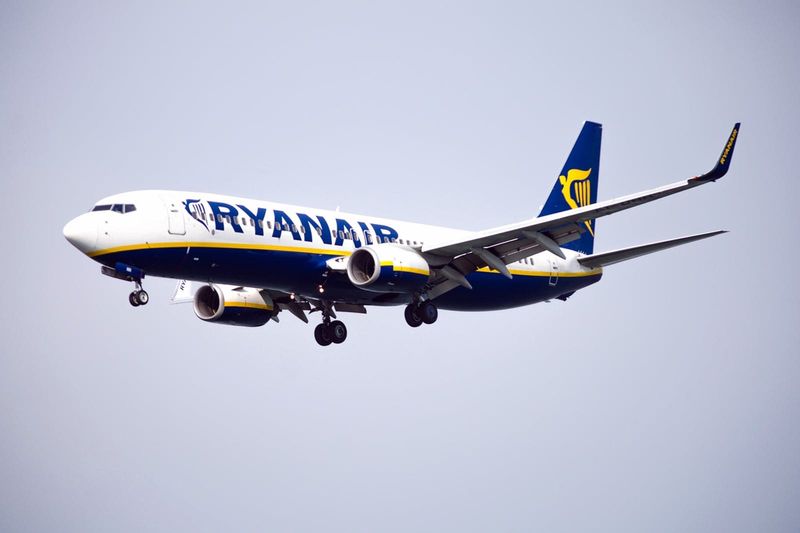
Volcanic ash is not simply a visibility issue. The particles are fine enough to be drawn into jet engines, where combustion temperatures can melt them into a glassy coating that clogs turbine blades and damages internal components. Boris Behncke, a researcher at Italy's National Institute of Geophysics and Volcanology's Etna Observatory, has noted that ash ingestion can cause engines to stall mid-flight, a risk no airline or regulator is willing to take.
During the August disruption, the Volcano Observatory Notice for Aviation was raised to red, the highest alert level, reflecting the direct threat to aircraft. Even after eruptions subside, ash can linger in the atmosphere for days, depending on wind speed, direction and altitude. That makes reopening decisions as much about meteorology as volcanology.
Pressure on the Island's Network
The repeated closures have also strained Sicily's other airports. Palermo, Comiso and Trapani absorbed diverted traffic over the weekend, adding congestion to facilities not designed to handle Catania's volume. For passengers, diversions often mean long ground transfers or missed connections, compounding the disruption.
Catania's role as a gateway to Sicily and southern Italy makes each closure costly. The airport serves both leisure travellers heading to the island's beaches and historic sites, and business passengers connecting to mainland Europe. Extended shutdowns during summer months hit tourism particularly hard, when hotels, tour operators and transport providers depend on steady arrivals.
What Comes Next
Etna's activity remains unpredictable. The volcano erupts frequently, sometimes producing spectacular lava flows with minimal ash, other times sending plumes high into the atmosphere. Forecasting which events will disrupt aviation is difficult, and wind patterns can shift within hours.
For now, passengers booked through Catania are advised to monitor airline updates closely and consider alternative routing where possible. The airport's proximity to an active volcano is unlikely to change, and neither is Etna's restlessness. The question is not whether future closures will happen, but when, and for how long.