A Gateway Years in the Making
The Chinchero airport, situated in Peru's Sacred Valley roughly 50 kilometers from Cusco, is moving closer to operational status after a development timeline that has stretched across multiple decades. The project has weathered funding disputes, environmental reviews, and shifts in political will, but construction activity now signals the facility may soon welcome its first passengers.
For travelers, the appeal is straightforward. Cusco's existing Alejandro Velasco Astete International Airport sits at 3,400 meters above sea level in a narrow mountain valley, limiting aircraft size and flight frequency. Chinchero's location and longer runway promise greater capacity and potentially lower airfares as more carriers gain access to the region.
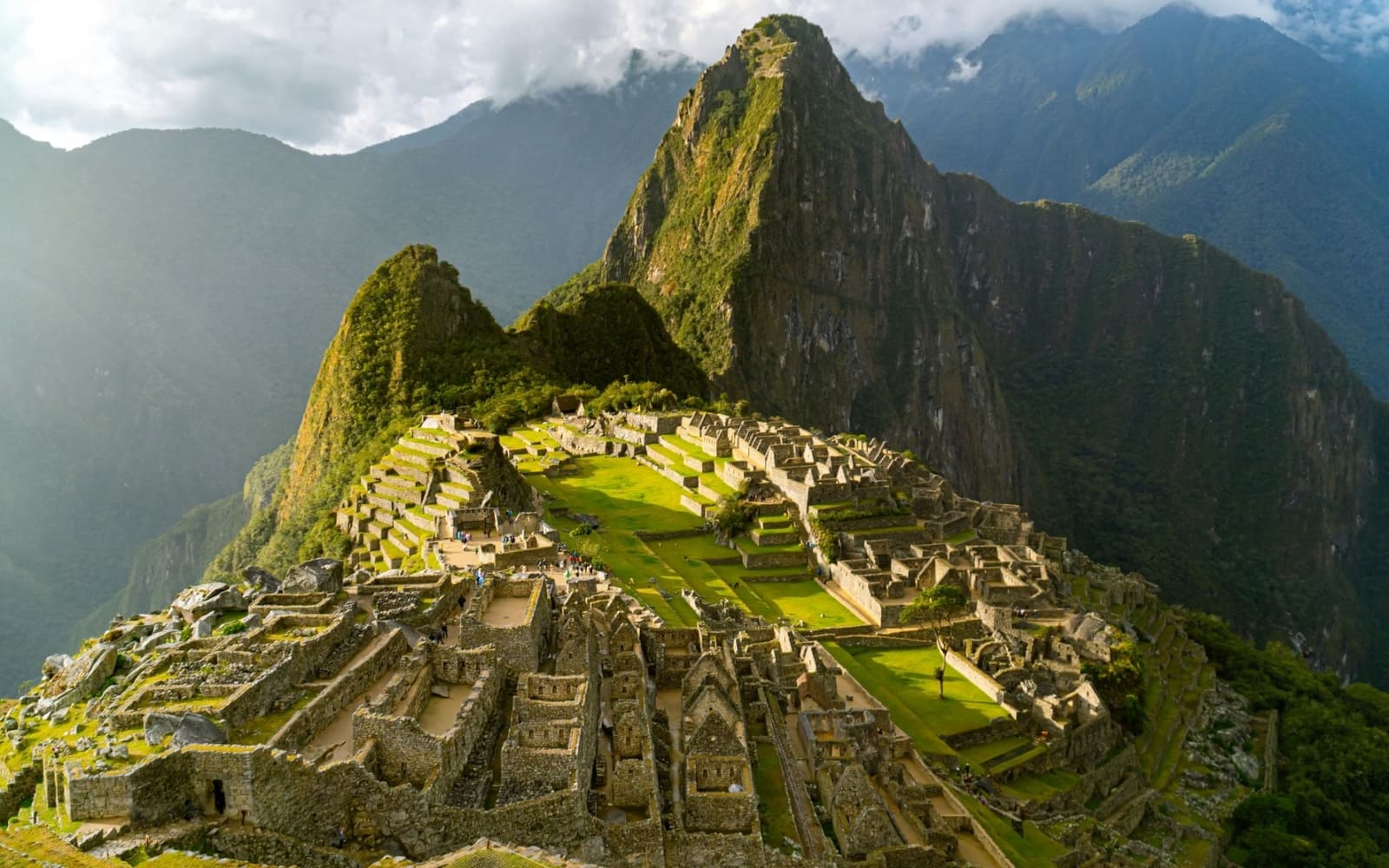
Machu Picchu, already one of South America's most visited archaeological sites, stands to see visitor numbers climb further once the airport opens. The question facing local authorities and residents is whether the region's infrastructure can absorb that growth without compromising the experience or the landscape.
Farming Communities at a Crossroads
Chinchero itself is a small agricultural town where potato and corn farming has anchored the economy for generations. Many families still work land that has been cultivated for centuries, using techniques passed down through Quechua-speaking ancestors.
The airport's footprint sits on terrain that was, until recently, productive farmland. Some residents have accepted compensation and relocated. Others remain uneasy about the cultural cost of transforming agricultural space into an international transit hub.
Local textile cooperatives, which produce handwoven goods sold to tourists in Cusco and the Sacred Valley, see potential upside. More visitors could mean more customers. But there is also worry that rapid commercialization will erode the authenticity that draws people to the region in the first place.
The Overtourism Question
Machu Picchu has operated under visitor caps for years, with daily limits intended to protect the 15th-century Inca citadel from physical degradation. Even with those caps, pathways show wear, and peak-season crowding remains a persistent complaint among travelers and conservationists alike.
An airport that doubles or triples regional visitor throughput does not automatically translate to more people on the citadel itself, but it does increase pressure on surrounding towns, trails, and transport networks. Ollantaytambo and Aguas Calientes, the staging points for Machu Picchu visits, already operate near capacity during high season.
Peruvian tourism officials have framed the airport as a tool for distributing visitors more evenly across the Sacred Valley, encouraging exploration of lesser-known Inca sites and highland villages. Whether that distribution happens in practice depends on infrastructure investment, marketing, and traveler willingness to venture beyond the marquee attraction.
Voices from the Ground
Responses within Chinchero and neighboring communities are far from uniform. Some residents welcome the construction jobs and service-sector opportunities an airport brings. Guesthouse owners, restaurant operators, and transport providers see a chance to capture income that currently flows to Cusco.
Others express concern that the benefits will accrue to outside investors while local families bear the costs: noise, traffic, land-use change, and the gradual erosion of a quieter, agriculture-based way of life. Environmental groups have raised questions about water use, waste management, and the airport's impact on microclimates that support native crops.
The debate reflects a broader tension playing out across tourism-dependent regions worldwide. Economic development and cultural preservation are not always opposing forces, but aligning them requires planning, transparency, and mechanisms that give local communities a meaningful voice in decision-making.
What Happens Next
No firm opening date has been announced, though project timelines suggest operations could begin within the next year or two. Peruvian aviation authorities will need to certify the facility, and airlines will need time to schedule routes and train crews on the airport's high-altitude approach.
For travelers planning trips to Machu Picchu, the immediate reality is unchanged. Cusco remains the primary gateway, and the rhythm of visiting the citadel - train from Ollantaytambo or Poroy, bus up the switchbacks, timed entry - continues as it has for years.
The longer-term picture is less certain. If Chinchero does what proponents hope, it will ease congestion, lower costs, and spread economic benefits more widely. If it accelerates overtourism without corresponding investment in conservation and community infrastructure, the Sacred Valley may find itself managing problems that no amount of runway capacity can solve.
What is clear is that the airport is not simply a piece of infrastructure. It is a catalyst, and the direction it pushes the region will depend as much on policy choices and local agency as on the number of flights it handles.