Two Waves of Action
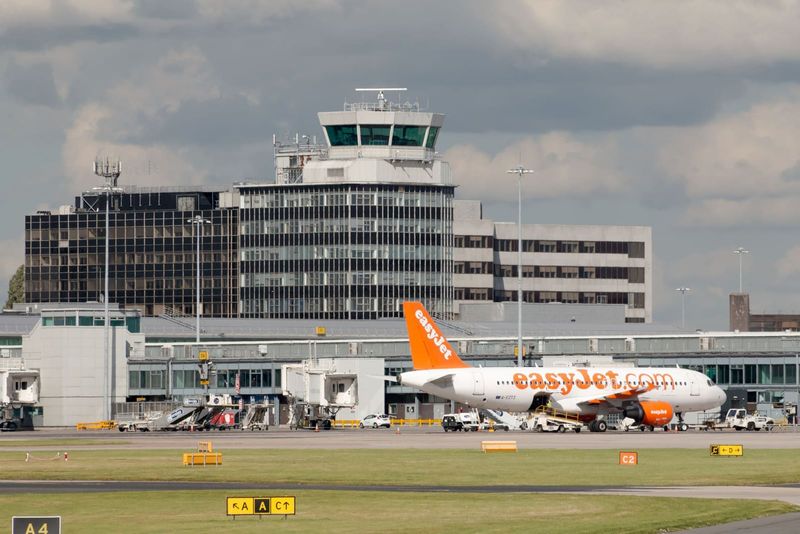
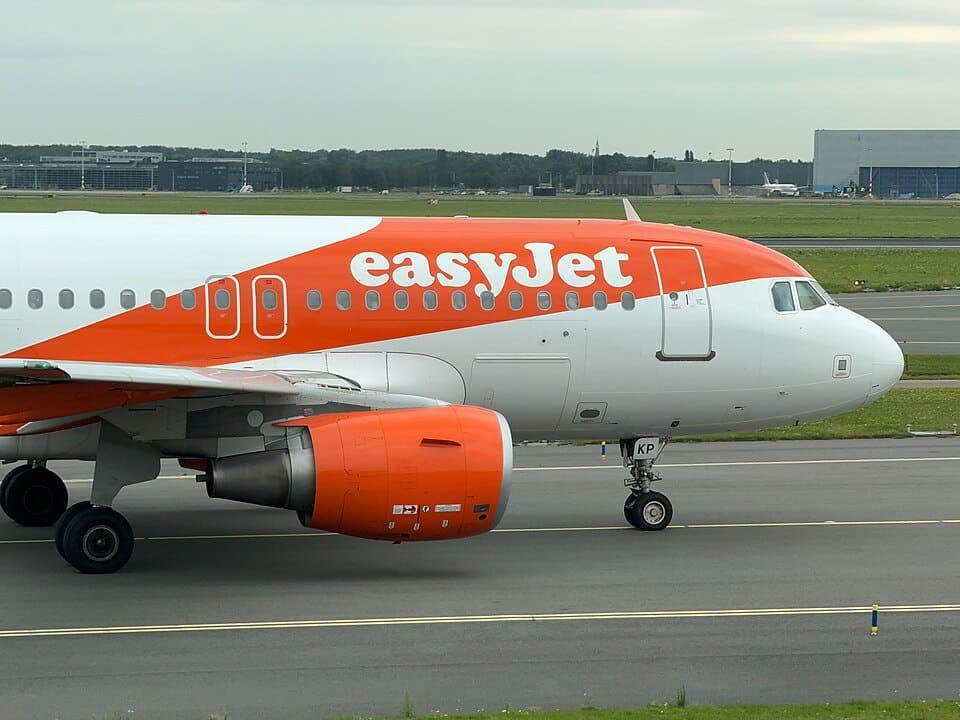
Cabin crew employed by easyJet in Portugal have voted unanimously to strike twice in the coming months. The first walkout is scheduled for 2 to 6 October 2026, covering Lisbon, Porto, and Faro airports. A second round of industrial action will take place from 19 to 23 December, hitting the week before Christmas.
The October strike coincides with Portugal's Republic Day public holiday on 5 October, traditionally a long weekend for domestic and international travel. The December dates fall during one of the busiest booking periods of the year, when passengers are travelling to see family, heading to ski resorts, or taking end-of-year breaks.
According to the National Union of Civil Aviation Flight Personnel (SNPVAC), at least 500 scheduled flights are expected to be grounded during the first strike. The union anticipates even greater disruption in December due to higher seasonal traffic volumes.
The Pay Gap at the Centre
SNPVAC says easyJet pays its Portuguese cabin crew less than other airlines operating in Portugal and less than the carrier pays its own crew in other countries. The union is calling for salaries that reflect the cost of living and align with national wage standards.
Beyond pay, crew members have raised concerns about roster instability, planning issues, staff shortages, and pressure to work overtime. The union also alleges unequal treatment between cabin crew and pilots, and claims easyJet has violated terms of the collective labour agreement.
The vote to strike took place at a meeting attended by 188 union members. The decision was unanimous. SNPVAC described the dispute as "long and intolerable" and accused the airline of being entrenched in its position with no intention of shifting course. The union also criticised easyJet for what it called an attempt to undermine the right to strike by replacing Portuguese crew with managers and staff from other countries.
EasyJet's Response
EasyJet has called the union's demands "unworkable" and said it is "extremely disappointed" by the decision to strike. The airline insists it pays crew above the national minimum wage and argues that the sustainability of its Portuguese operations is at risk.
Mediation efforts by Portugal's labour authority, DGERT, have not resolved the standoff. EasyJet has said it will attempt to minimise disruption during the strike periods, and authorities may impose a minimum-service requirement to keep some flights operating.
What Passengers Should Expect
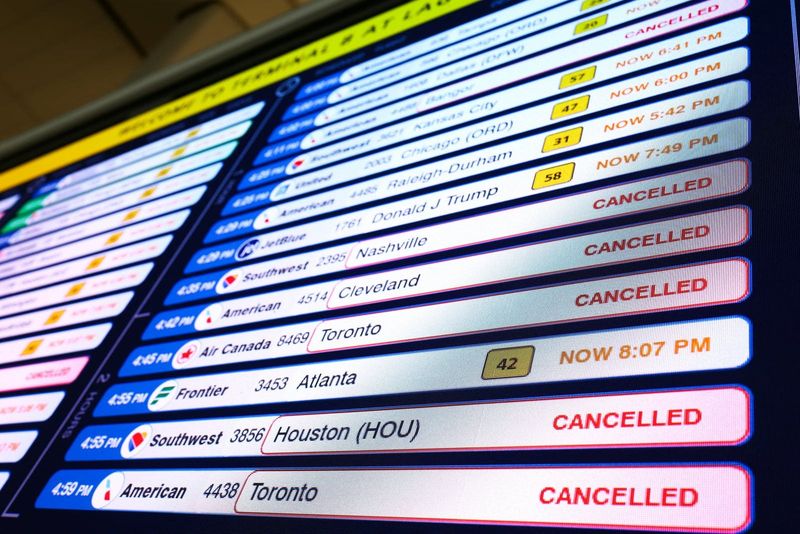
Travellers booked on easyJet flights to or from Portugal during the strike windows should prepare for possible cancellations or delays. The airline has not yet announced specific contingency measures, but affected passengers are typically offered rebooking, refunds, or rerouting on other carriers where possible.
The timing of both strikes is particularly inconvenient. October's action overlaps with a national holiday, when many Portuguese residents travel domestically and inbound tourism peaks. December's strike threatens to strand passengers during the final full week before Christmas, a period when rebooking options are limited and fares on alternative flights tend to be higher.
For now, the dispute remains unresolved, and both sides appear dug in. Whether further talks or intervention by regulators can avert the strikes remains to be seen, but passengers planning travel to Portugal in the affected periods would be wise to monitor their bookings closely.