Speed Cuts Begin Next Month
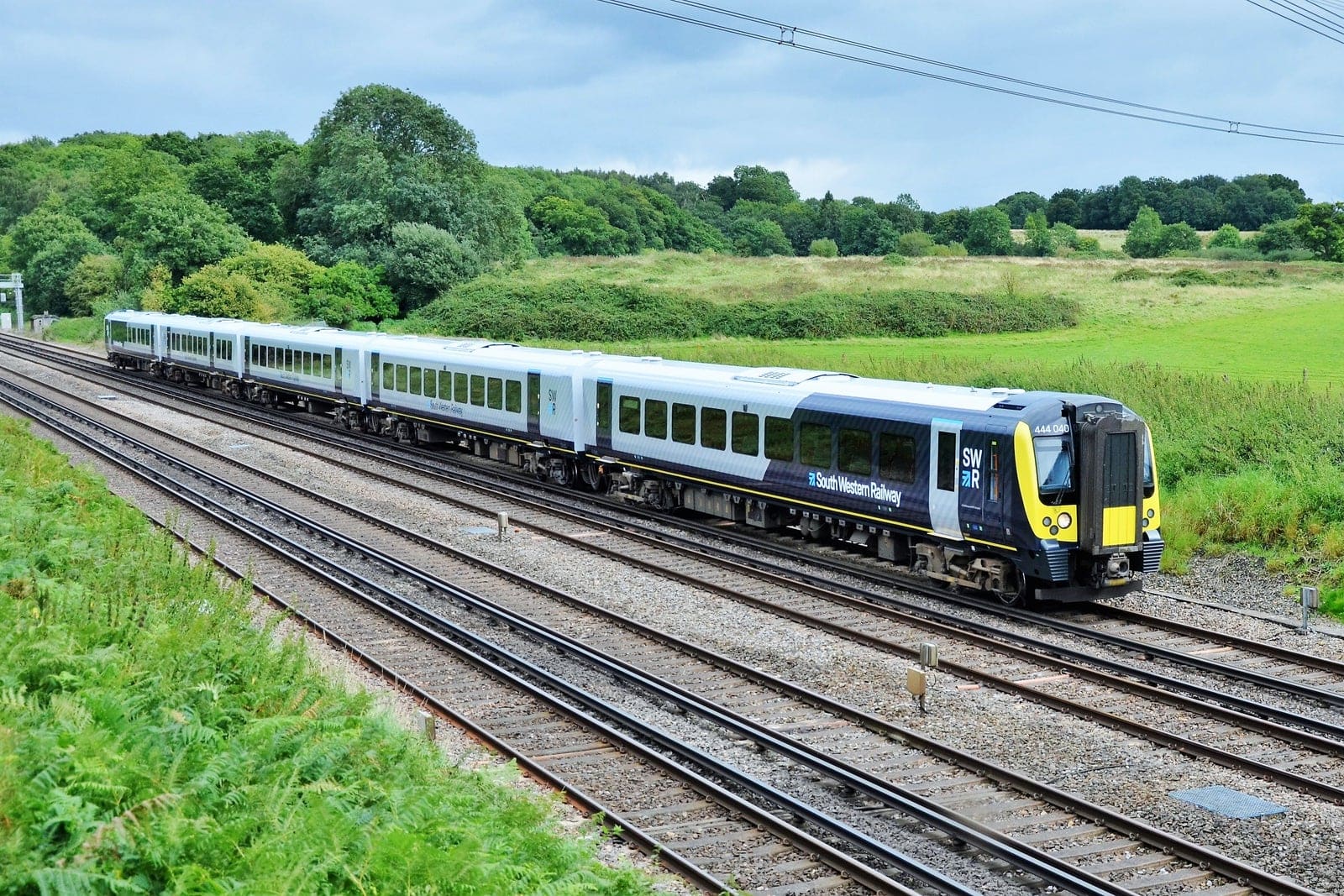
Passengers traveling between London Waterloo and Exeter St Davids will face slower trains and reduced service from August 10, when South Western Railway rolls out a temporary timetable triggered by months of heat and minimal rainfall. The clay embankments holding up track between Salisbury and Exeter have dried out enough to affect track stability, according to the operator and Network Rail Wessex.
The West of England line, which runs through largely rural countryside, includes a 60-mile stretch of single track between Tisbury in Wiltshire and Honiton in Devon. That section is especially exposed to drought conditions. When speed limits drop, fewer trains can run because only six passing loops exist where trains traveling in opposite directions can cross.
Service between Yeovil Junction and Exeter will drop to one train every two hours for an indefinite period. Most trips from Yeovil Junction to London Waterloo will take an extra 13 minutes. The full journey between Waterloo and Exeter St Davids will stretch 24 minutes longer outbound and 27 minutes longer on the return.
Second Summer in a Row
This marks the second consecutive year that prolonged hot, dry weather has forced the route into emergency scheduling. After last summer's disruption, the railway invested in reinforcing vulnerable sections. Crews laid 5,000 tonnes of fresh ballast to stabilize track beds and removed more than 200 dead trees whose root systems no longer held embankments in place.
Lawrence Bowman, South Western Railway's managing director, said the advance work has cut delay times by roughly 30 minutes compared to last year's amended timetable. The operator developed the plan to balance reliability with safety, acknowledging that extreme weather events are arriving more often.
Why Clay Embankments Fail
Clay soil expands when wet and contracts when dry. Prolonged heat without rain causes the clay beneath and around railway embankments to shrink, which can shift track alignment or undermine the ballast that holds rails in place. Speed restrictions reduce the dynamic forces trains exert on unstable ground, lowering the risk of derailment or track buckling.
Single-track lines are particularly vulnerable because they often traverse older routes with less engineering redundancy. The West of England line was built in the Victorian era and threads through cuttings and embankments that rely on natural drainage. Modern high-speed routes typically include deeper ballast layers, concrete slabs, and active drainage systems that cope better with soil movement.
What Passengers Should Expect
Travelers are advised to check schedules before departure and allow extra time on affected routes. The temporary timetable will remain in place until soil conditions improve, which typically requires sustained rainfall to rehydrate clay and restore embankment stability. No firm date has been set for resuming normal service.
The operator emphasized that the changes prioritize passenger safety while minimizing disruption as much as engineering constraints allow. For now, anyone heading to or from Devon via the West of England line should plan for a slower, less frequent service and consider alternative routes if time is tight.