More Capacity, More Connection Points
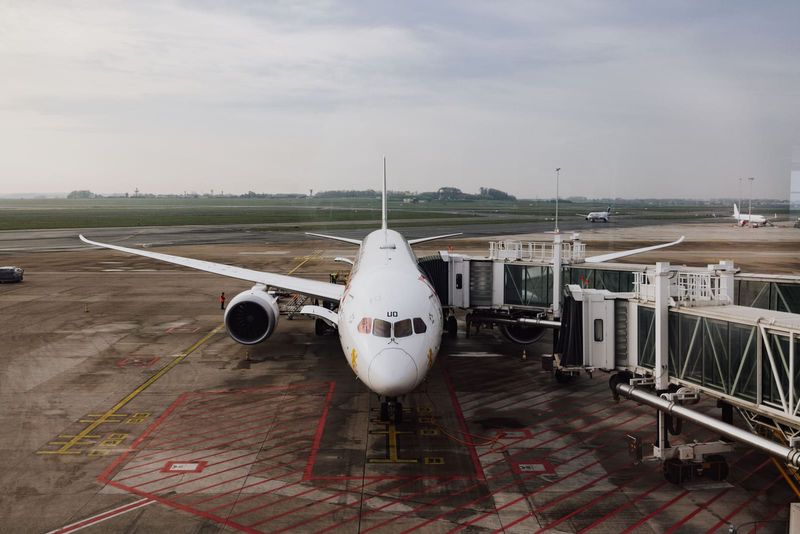
Etihad Airways will operate 11 flights a week between Brussels and Abu Dhabi starting 15 December, up from the current daily service. The carrier is adding Tuesday, Thursday, Saturday, and Sunday frequencies to meet rising demand for travel between Belgium and the United Arab Emirates, according to Etihad.
The move represents a 57 percent jump in weekly capacity on the route. It also reflects a broader pattern: Etihad is adding frequencies and extending seasonal routes across multiple markets, from Poland to Bangladesh, as passenger numbers climb faster than the airline expected.
The new schedule gives travellers more options for both point-to-point trips and onward connections through Etihad's Abu Dhabi hub to destinations in Asia, the Indian subcontinent, the Middle East, and Australia. For passengers based in Belgium, the evening departure option is new; for those connecting eastward, the timing opens up more same-day itineraries.
Evening Departures Join the Mix
The additional service will leave Abu Dhabi at 2:25 pm, arriving in Brussels at 7:00 pm. The return flight departs Brussels at 8:50 pm and lands in the UAE capital at 6:45 am the next morning. Etihad's existing daily service continues alongside the four extra frequencies.
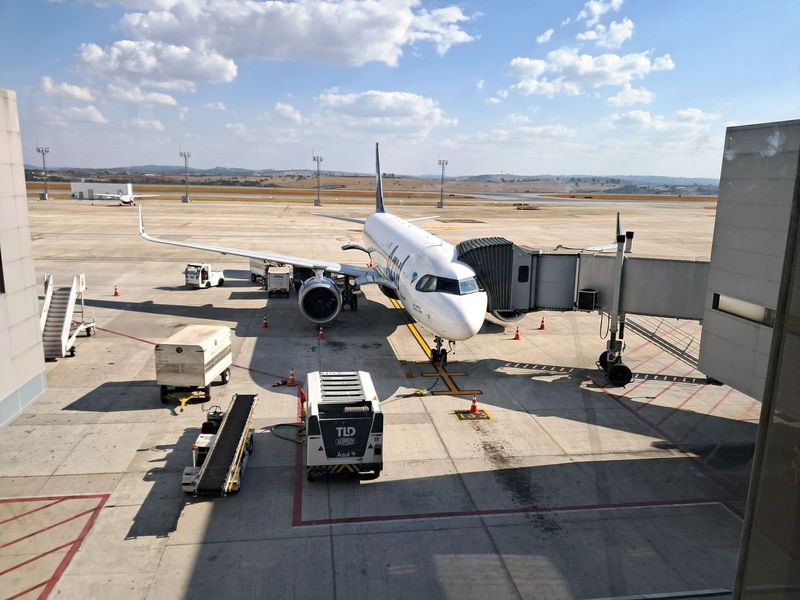
All flights on the route will use the Airbus A321LR, a single-aisle jet configured with 160 seats across three cabins: two First Suites, 14 Business Class seats, and 144 Economy seats. The First cabin features enclosed suites with sliding doors and fully flat beds. Business Class also offers lie-flat seating, while Economy passengers have access to 4K inflight entertainment screens.
The A321LR has become a workhorse for Etihad on medium-haul European and regional routes, balancing range with efficiency. The aircraft type is also deployed on the carrier's seasonal service to Palma de Mallorca and its recently increased Kraków route.
A Pattern Across Five Routes
Brussels is not alone. Etihad is lifting capacity on four other routes as part of the same wave of schedule adjustments.
The Abu Dhabi to Kraków service will increase from three to four weekly flights starting 27 July, also operated by the A321LR. The route is seasonal but has seen steady demand since its launch.
Meanwhile, the Abu Dhabi to Dhaka connection, which began on 26 June with four flights a week, will now run year-round. The route uses a Boeing 777 with 28 Business and 374 Economy seats. The decision to extend the service beyond its initial seasonal window came quickly, suggesting traffic has exceeded internal projections.
Two leisure routes are also getting longer seasons. Flights to Zanzibar will now continue until 31 March 2027, instead of ending in September. The Palma de Mallorca service, originally scheduled to wrap up in early autumn, has been extended to 18 October.
"The response from our guests has exceeded our expectations, with strong demand across very different markets, from Brussels and Dhaka to Kraków, Zanzibar and Palma," said Arik De, Etihad's Chief Revenue and Commercial Officer. "We're responding by adding capacity where demand is strongest."
What the Numbers Suggest
The mix of routes getting more capacity tells a story about where travel demand is concentrated right now. Brussels and Kraków represent business and leisure traffic from Europe. Dhaka taps into South Asian diaspora travel and business ties. Zanzibar and Palma serve holiday demand, much of it from Gulf-based travellers.
The decision to make Dhaka year-round is particularly notable. Seasonal routes that turn permanent often signal a shift in underlying demand, whether driven by trade, migration, or corporate travel. Bangladesh has seen rising economic integration with the Gulf in recent years, and Abu Dhabi is positioning itself as a hub for South Asian connectivity.
For Brussels, the increase comes as Gulf carriers continue to compete with European airlines for traffic between Europe and Asia. The evening departure from Brussels offers a different timing option compared to morning or midday flights, potentially appealing to business travellers who want a full day in the office before boarding.
Abu Dhabi's Hub Ambitions
Etihad's network expansion is part of Abu Dhabi's broader effort to grow its aviation and tourism sectors. The emirate has invested heavily in airport infrastructure, cultural projects, and visa liberalisation to attract visitors and transit passengers.
The airline has been rebuilding its network after a period of retrenchment earlier this decade. Fleet expansion, new routes, and increased frequencies are all part of a strategy to reclaim market share in a region where Emirates, Qatar Airways, and other carriers are also growing aggressively.
For passengers, the practical effect is more choice. More frequencies mean more flexibility in scheduling, better odds of finding award seats, and improved connection times. For Brussels, the evening departure is a genuine addition to the timetable, not just a reshuffling of existing slots.
The four additional Brussels frequencies are already available for booking. Etihad has not disclosed load factors or revenue performance on the route, but the speed and scale of the increase suggest the airline sees sustained demand, not just a short-term bump.
What It Means for Travellers
If you are flying between Belgium and the Gulf, or connecting through Abu Dhabi to points east, you now have more options. The evening departure from Brussels is particularly useful for same-day connections or for avoiding an overnight in Abu Dhabi if your onward flight leaves early morning.
The A321LR's three-cabin layout means that even on a relatively short flight, there are premium options for those willing to pay or use points. The First Suite product on the A321LR is not as large as what you would find on a widebody, but it does offer privacy and a flat bed, which can make a difference on a six-hour overnight flight.
For those connecting onward, Abu Dhabi's terminal is compact compared to Dubai, which can mean shorter walking distances and quicker transfers. The hub offers connections to cities across India, Southeast Asia, and East Africa, as well as long-haul routes to Australia.
The broader pattern of route additions and extensions suggests that Etihad is betting on sustained demand through the northern winter and into 2027. Whether that bet pays off will depend on economic conditions, travel trends, and how competitors respond. For now, though, the airline is adding seats where it sees opportunity.