A New Gateway into Nigeria's Heartland
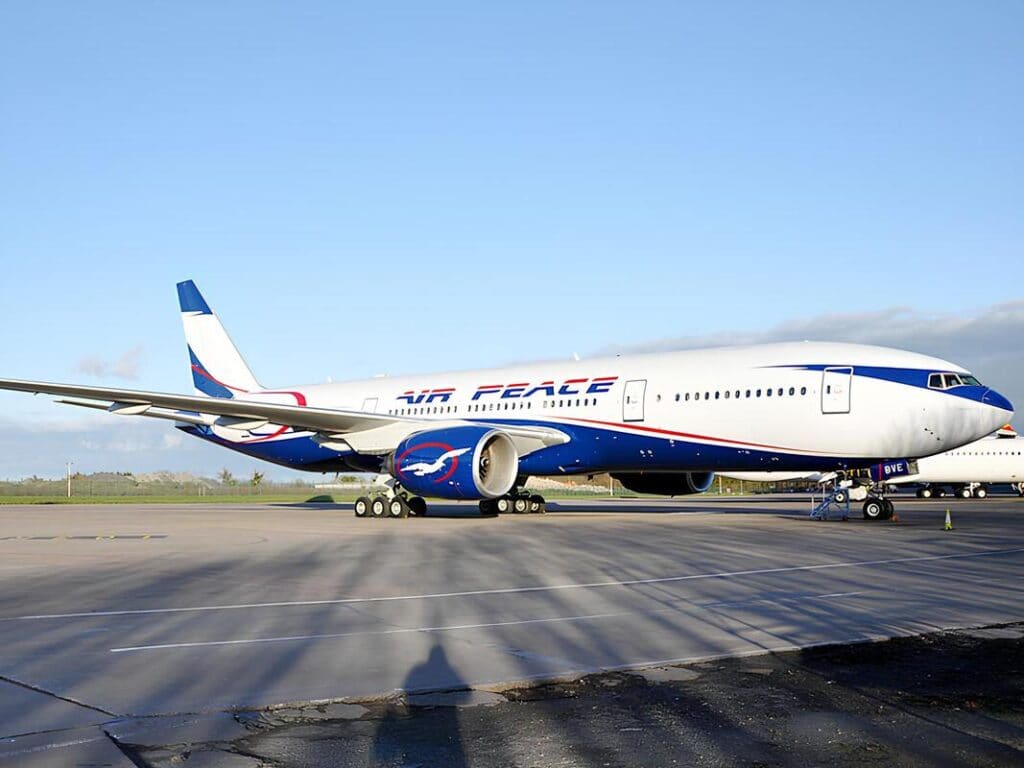
Travelers heading to Nigeria or neighboring West African capitals now have a simpler route. Etihad Airways announced an interline agreement with Air Peace, Nigeria's largest carrier, on 23 July. The deal stitches together Etihad's long-haul network with Air Peace's web of domestic and regional flights, unlocking about 20 destinations on a single ticket.
Under the arrangement, passengers flying Etihad to Lagos or Accra can continue onward to cities across Nigeria - Abuja, Port Harcourt, Kano, Enugu, Benin City, Owerri, Warri, and Asaba among them. Regional connections reach Abidjan, Dakar, Banjul, Freetown, Monrovia, Conakry, Bamako, Douala, and Libreville. Baggage checks through, schedules align, and the hassle of separate bookings disappears.
Timing Meets Demand
The partnership arrives as traffic between the UAE and Nigeria thickens. A Comprehensive Economic Partnership Agreement signed in January has pushed trade and investment higher. At the same time, a large and growing Nigerian community lives in the Emirates, creating steady demand for direct and connected air service.
Etihad recently committed to daily flights between Abu Dhabi and Lagos. Once those take off, the Air Peace interline will give passengers a smoother path from the Gulf into Nigeria's interior and beyond. For business travelers chasing meetings in Abuja or Port Harcourt, and for families visiting relatives scattered across the region, the coordination cuts connection time and uncertainty.
What It Means for the Route Map
Air Peace operates a dense domestic schedule within Nigeria, a country of more than 200 million people spread across diverse economic zones. The airline also flies to neighboring capitals, many of which lack frequent direct service from the Middle East. Linking that network to Etihad's Abu Dhabi hub opens two-way flows: West Africans gain easier access to Asia and beyond via the UAE, while travelers from Europe, the Gulf, and South Asia can now reach secondary Nigerian cities without additional ticket purchases or rebooking risk.
The interline model - where airlines agree to honor each other's tickets and coordinate baggage handling without a full codeshare - offers flexibility. It lets both carriers test demand, adjust capacity, and build the relationship before deeper integration. For passengers, the practical benefit is immediate: one reservation, one check-in, one set of baggage tags.
Executive Perspective
Arik De, Etihad's Chief Commercial and Revenue Officer, framed the deal as part of a longer African strategy. "Our ambitions in Africa are long term, and Nigeria sits at the centre of them," he said. "This agreement gives our guests access to one of the continent's most extensive domestic and regional networks."
Nowel Ngala, Air Peace's Chief Commercial Officer, emphasized reciprocal access. "Working with Etihad Airways extends that ambition, giving our customers convenient access to Abu Dhabi on Etihad's services once the new routes begin, while bringing Etihad's guests to the many destinations we serve across the region."
Broader Context
The partnership reflects a wider pattern in African aviation: legacy carriers from Europe and the Gulf increasingly rely on local partners to penetrate markets where infrastructure, regulation, and demand vary sharply by country. Nigeria's aviation sector has grown rapidly, with domestic passenger numbers climbing as the economy diversifies and the middle class expands. Yet international service remains concentrated in Lagos and, to a lesser extent, Abuja. Interline agreements like this one distribute traffic more evenly and make secondary cities viable for international travelers.
For Etihad, the move also hedges against competition. Rivals in the Gulf have been active in Africa, and connecting traffic through their hubs has become a key battleground. By tying up with Air Peace - which controls a significant share of Nigerian domestic capacity - Etihad secures a foothold in a market that is both large and underserved.
When and How to Book
Etihad plans to open bookings for combined journeys via its website soon. The interline tickets will appear as a single itinerary, with pricing and schedules coordinated between the two airlines. Passengers will check in once, receive boarding passes for all segments, and have their bags routed to the final destination.
The partnership does not yet extend to frequent-flyer benefits or lounge access, typical limitations of interline arrangements. Those perks usually require a codeshare or alliance membership. Still, for travelers prioritizing convenience and reach over loyalty points, the new link delivers tangible value.
Looking Down the Line
As Etihad ramps up its Lagos service and the interline takes hold, both airlines will watch booking patterns closely. Strong uptake could justify expanded frequencies, additional codeshare flights, or even joint ventures on specific routes. Air Peace, meanwhile, continues to grow its own international footprint, recently adding capacity to Europe and the Middle East. A deeper relationship with Etihad could accelerate that expansion, offering feed traffic and operational synergies.
For travelers, the equation is straightforward: more options, fewer transfers, and a wider map. Whether the destination is a business hub in Nigeria's oil belt, a coastal city in Ghana, or a francophone capital in West Africa, getting there from Abu Dhabi - and points beyond - just became a lot simpler.