A New Stop, With a Catch
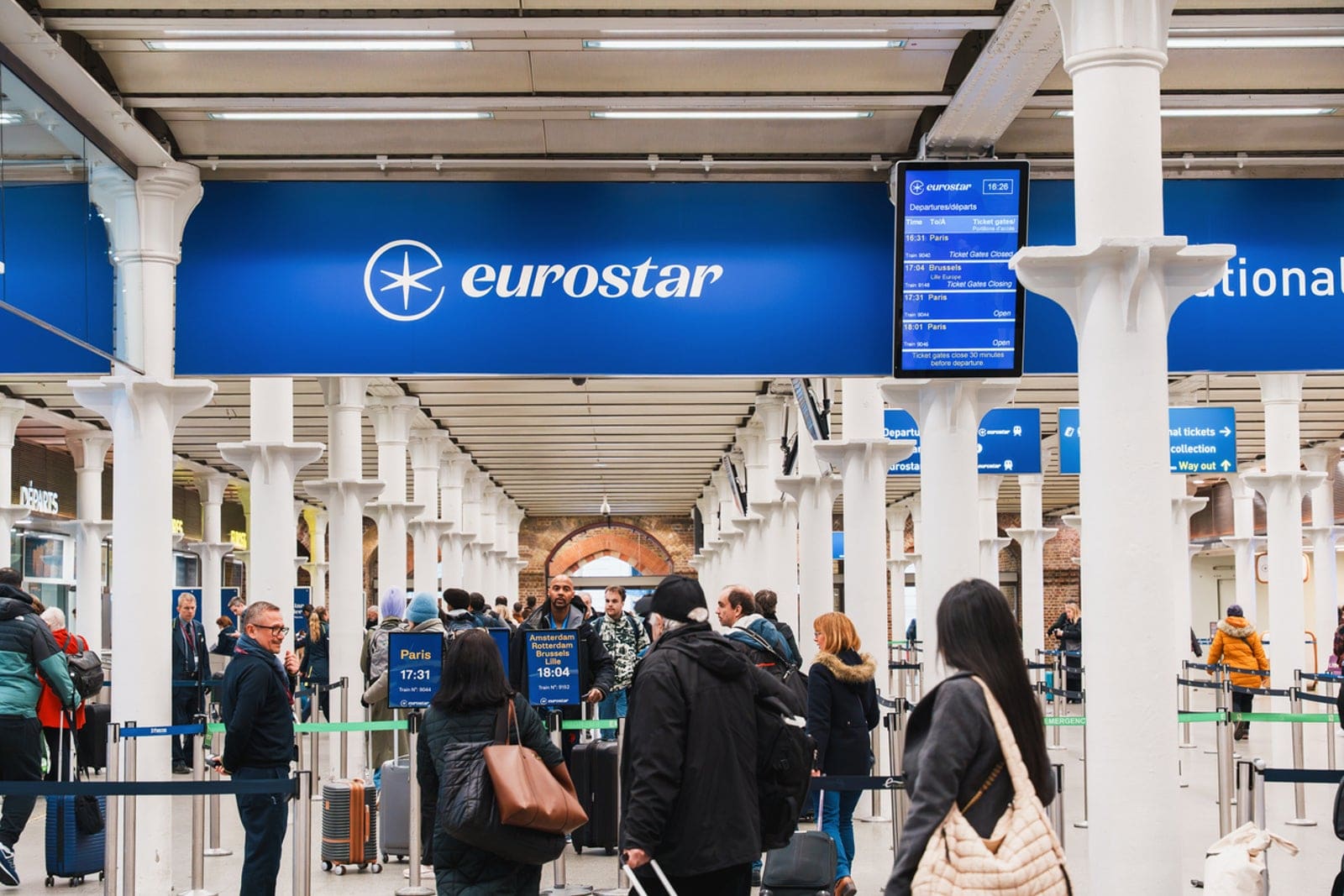
Travelers heading to Antwerp will soon have a quicker option from London. Starting December 14, Eurostar will add the Belgian port city as a direct stop on up to four of its daily London-Amsterdam trains, eliminating the need to change at Brussels for outbound journeys.
The trains will call at Antwerp-Centraal alongside existing stops in Lille, Brussels, Rotterdam, and Amsterdam. For passengers heading to Belgium's second-largest city, the change means fewer touchpoints and a faster city-center-to-city-center journey. Eurostar framed the move as a bid to make travel "quicker and more convenient," offering what it described as a more comfortable alternative to flying or driving.
But there is a notable asymmetry. The direct service only operates from London to Antwerp. Anyone traveling in the opposite direction will still need to book a combined ticket that routes them through Brussels, where UK border and security checks are processed. Eurostar said there are no current plans to introduce a direct return service, citing the absence of dedicated UK border and customs facilities at Antwerp-Centraal. Passengers returning to London will instead take a Belgian rail connection to Brussels before boarding a Eurostar train.
Why the One-Way Service
The limitation is logistical rather than operational. UK border control for Eurostar passengers happens on the continent, before boarding, a system known as juxtaposed controls. Brussels-Midi is equipped with the necessary UK Border Force staff and infrastructure. Antwerp is not, and building out those facilities would require coordination between Belgian authorities, Eurostar, and the UK government, a process that can take years and significant capital.
For now, Eurostar is betting that even a one-way direct service will appeal to leisure and business travelers. Antwerp draws visitors for its fashion scene, diamond trade, and Flemish architecture. The city has also positioned itself as a cultural hub, with museums and a compact, walkable center that suits short breaks.
The addition also signals Eurostar's broader ambitions for its London-Amsterdam corridor. Since launching that route in 2018, the operator has steadily increased frequency and added stops. The service has captured a growing share of travelers who might otherwise fly, particularly on shorter hops where train travel can compete on total journey time once you factor in airport transfers and check-in.
Preparing for Hotter Summers
Separately, Eurostar is recalibrating its fleet for a warmer Europe. The operator confirmed earlier this month that it has upgraded its order with French manufacturer Alstom to ensure new trains can withstand temperatures up to 55 degrees Celsius. The move follows a string of intense heat events, including a June day in the UK that hit 37.7 degrees, a record for that month.
The upgraded air conditioning systems will be fitted to Eurostar's new Celestia trains, part of a two-billion-euro investment announced last year. Eurostar has ordered 30 of the double-decker, all-electric trains, with an option for 20 more, as it works toward a target of 30 million passengers annually. The operator said the heat-resistant systems are part of being "prepared for the future," a nod to the likelihood that extreme temperatures will become more routine.
The Celestia fleet is expected to enter service over the next few years, gradually replacing older rolling stock and adding capacity. The trains are designed to run on high-speed lines across multiple countries, which means they must meet a range of technical and safety standards. Adding climate resilience to that list reflects a broader shift in how transport operators are thinking about infrastructure and reliability.
What It Means for Travelers
For anyone planning a trip to Antwerp, the new service offers a clearer path. The journey from London to Antwerp will take around two hours and forty minutes, depending on stops. That is faster than flying when you account for the time spent getting to airports, checking in, and clearing security. It is also more predictable, assuming no major disruptions.
The one-way nature of the service is less convenient for round-trip travelers, who will need to build in extra time for the Brussels connection on the way back. Still, for those heading to Antwerp as part of a broader Belgium or Netherlands itinerary, the added stop expands options without requiring a dedicated route.
Eurostar's expansion comes at a time when rail operators across Europe are adding capacity and pushing for modal shift away from short-haul flights. The Antwerp stop fits that pattern, offering a competitive alternative on a route where demand has been growing. Whether the service eventually becomes two-way will depend on how much traffic it generates and whether the infrastructure investment in Antwerp makes financial sense. For now, it is a step forward, with a detour on the way home.