The Route Opens
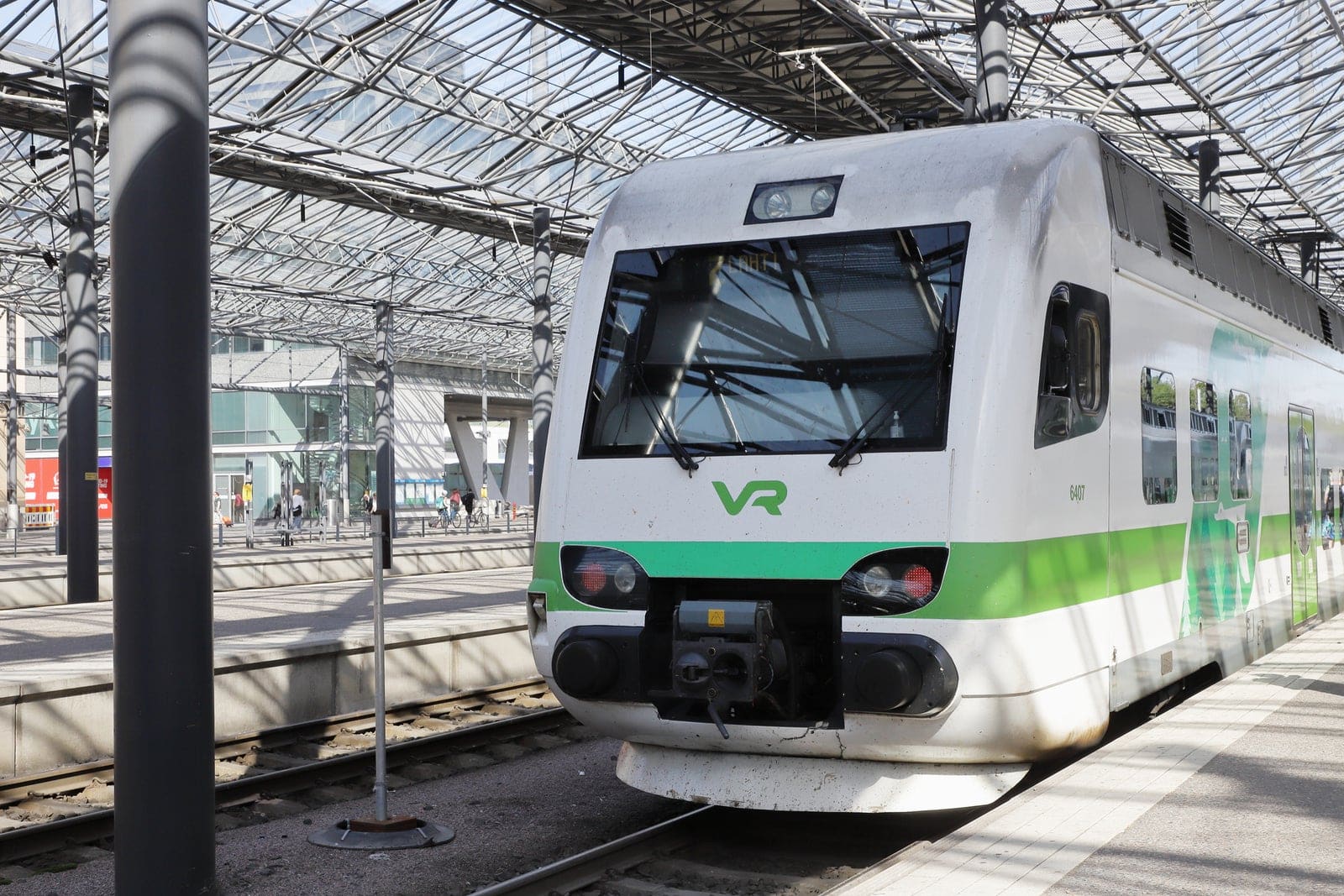
A train service linking Finland and Sweden began operation on Monday morning, marking the first direct rail connection between the two countries in more than 30 years. The route runs between Oulu, on Finland's western coast, and Haparanda, just over the border in Sweden, tracing the Gulf of Bothnia shoreline. The journey takes roughly one hour and 40 minutes.
VR, Finland's state railway operator, announced two daily departures in each direction, running seven days a week. Tickets start at around five euros for travel during off-peak periods in autumn. Before this service launched, travelers crossing between the two countries at this point had to drive or walk across the border.
Why the Gap Lasted So Long
The previous service shut down in the late 1980s and early 1990s, a casualty of falling ridership and an infrastructure mismatch that proved too costly to ignore. Finland's rail network uses the Russian gauge, a track width significantly broader than the standard European gauge used in Sweden and most of the continent. That difference meant trains couldn't simply roll from one system to the other.
Finland has been working to align parts of its network with European standards, but the process is gradual and expensive. For now, the new VR trains terminate at Haparanda and do not continue deeper into Sweden. Passengers heading south must change to Swedish operator Norrtåg at Haparanda station.
The reinstatement of cross-border service also carries symbolic weight. Finland stopped running trains into other countries altogether in 2022, when services to St Petersburg were suspended following Russia's invasion of Ukraine. The new link to Sweden represents a return to international rail operations, albeit in a different direction.
What It Opens Up
The immediate benefit is straightforward: a cheap, reliable connection for people living and working on either side of the border. But the service also slots into a wider network. With the Oulu-Haparanda link in place, it is now possible to travel by train from Kolari, Finland's northernmost station in Lapland, all the way to Portugal's Algarve coast, a distance of roughly 3,100 miles. That makes it one of the longest continuous rail journeys available in Europe.
The route also enables a new overland option between Helsinki and Stockholm, though the trip takes around 24 hours and requires multiple transfers. For most travelers, ferries and flights remain faster and often cheaper for that particular journey. But for those with time and an interest in slow travel, the train option is now on the table.
The Bigger Picture
Cross-border rail in northern Europe has been patchy, shaped by geography, gauge differences, and shifting political priorities. The Finland-Sweden link is a modest step, but it reflects broader efforts to knit together regional networks that were severed or never fully developed.
Budget fares and the promise of new through-routes may draw a mix of commuters, students, and travelers curious about less-traveled corners of the Nordic region. Whether ridership will be strong enough to justify expansion or more frequent service remains to be seen. The original service failed partly because not enough people used it. This time, operators are betting that changing travel habits and a renewed interest in rail will tip the balance.
For now, the trains are running, the border is open by rail again, and a piece of Europe's transport map has been quietly redrawn.