A Dry Landscape
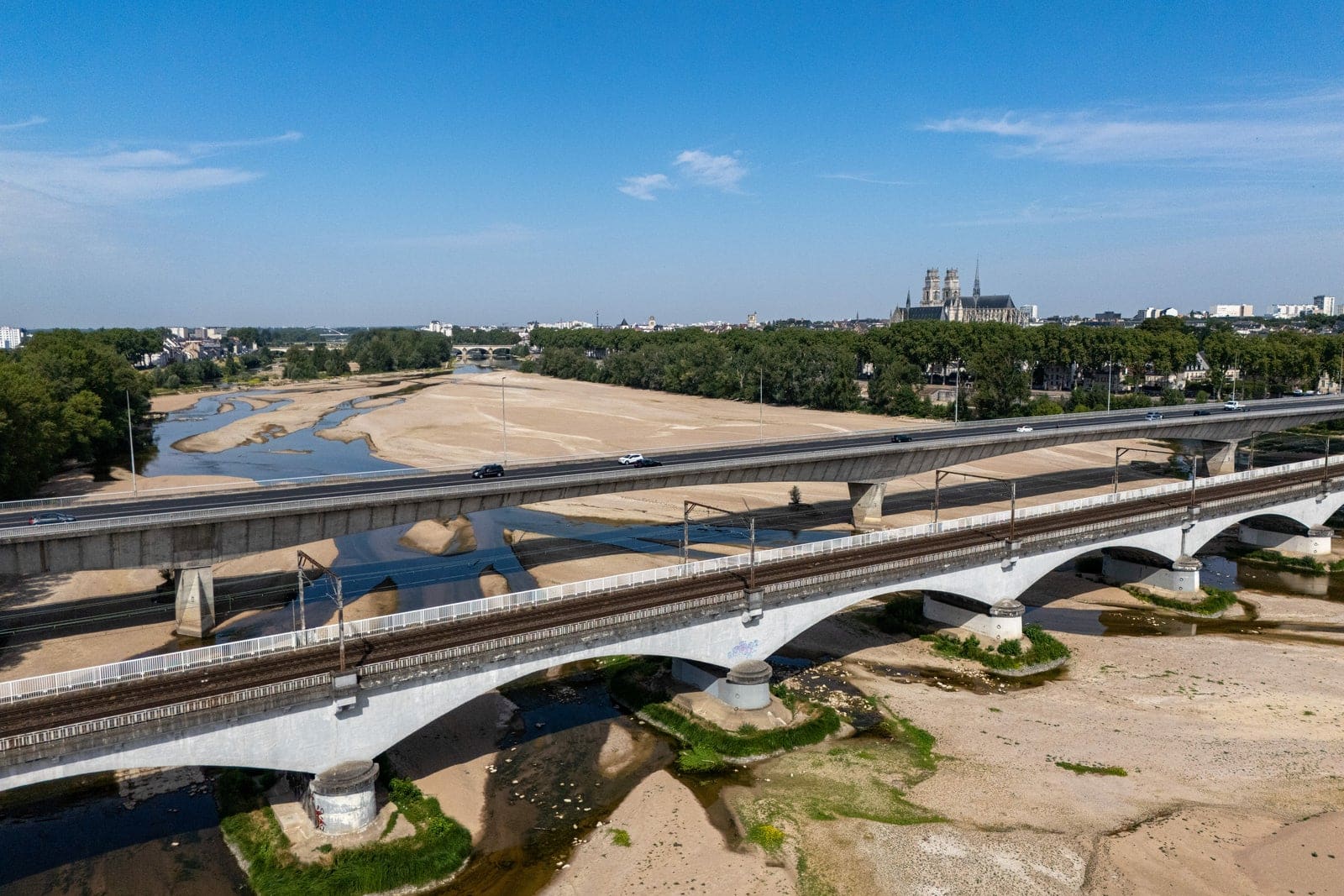
The French countryside has turned from green to gold. Travelers riding the train from Paris to Lyon now see fields of yellow where lush vegetation used to be. By mid-July, 99 French departments had implemented some form of water restriction, with 43 under the highest level of alert. The country recorded 45 percent less rainfall than usual in June, and some regions experienced their driest June on record.
Environment officials have described the situation as both unusually early and unusually severe for the season. The Loire and Garonne rivers are running well below their typical levels, and parts of the country have seen three heatwaves before summer even hits its peak.
What Visitors Can and Cannot Do
Water restrictions vary widely by location. In areas under the lowest level of alert, watering gardens is banned between 10am and 6pm. But in the 43 departments classified as crisis zones, primarily in central and eastern France and parts of Normandy, the rules are stricter: hosepipe bans extend to all daylight hours, car washing is forbidden, and refilling private swimming pools is not allowed.
Some vacation rental properties have already notified guests that shared pools cannot be topped up. Fines for violations start at €1,500 and double for repeat offenders. An interactive government map, VigiEau, tracks restrictions by department so travelers can check before they arrive.
Golf courses have drawn criticism for being allowed to continue watering while surrounding landscapes turn brown. They are required to reduce water use by only 15 to 30 percent, leaving fairways green while nearby fields wither.
River Activities Face Disruption
Kayaking and paddleboarding are among the activities most affected by low water levels. Stretches of river typically used for these sports are often shallow to begin with, and this year some sections require portage or have been closed entirely. Parts of the River Loue in the Doubs region of eastern France temporarily banned kayaks because of insufficient water depth.
Certain canals have also shut down sections where levels are dangerously low. The Meuse, Vosges, and Marne au Rhine canals have all restricted cruising along affected stretches, which could disrupt plans for barge holidays. Voies navigables de France publishes a weekly list of canal closures for those planning water-based trips.
Despite concerns about river cruises being stranded, as has happened in other European countries, major French river cruise operators have not cancelled or reduced summer sailings. The Garonne's water level dropped so dramatically that hydroelectric dams in the Pyrenees had to release water to prevent sections from drying out, but the intervention kept routes navigable.
Fire Risks and Cancelled Celebrations
The drought has elevated fire danger across the country. More than 2,000 hectares of the Forest of Fontainebleau near Paris burned in mid-July, followed by fires in the Var region days later. Many towns and departments cancelled fireworks for Bastille Day on July 14, and more cancellations are expected for Assumption Day on August 15 if conditions do not improve.
French law treats even accidental fire-starting seriously. Involuntarily causing a forest fire can result in up to 10 years in prison and fines as high as €150,000.
Heat Closures at Tourist Sites
High temperatures have forced adjustments at some of France's most popular attractions. The Eiffel Tower closed for a day earlier this month because of extreme heat, and several museums have reduced or adapted their hours. For visitors who planned to escape the sun inside air-conditioned cultural sites, these closures complicate itineraries.
French authorities recommend drinking plenty of water and staying indoors during the hottest parts of the day. The advice is straightforward, but it underscores how much the weather is dictating what travelers can safely do.
Planning Around the Conditions
Travelers heading to France this summer should check local restrictions and conditions before finalizing plans. Water-based activities are the most vulnerable to disruption, but even land-based itineraries may need adjustment if heat forces closures or cancellations.
The situation is fluid. Restrictions change as conditions shift, and what is open one week may not be the next. Contacting accommodation providers and activity operators in advance can prevent surprises. Local news sources and the VigiEau map offer the most current information.
France is not alone in facing drought this summer, but the combination of low rainfall, high temperatures, and widespread restrictions makes this season particularly challenging for visitors. Those willing to adapt and stay flexible will still find plenty to do, but the trip may look different than originally imagined.