A Link Restored After More Than a Decade
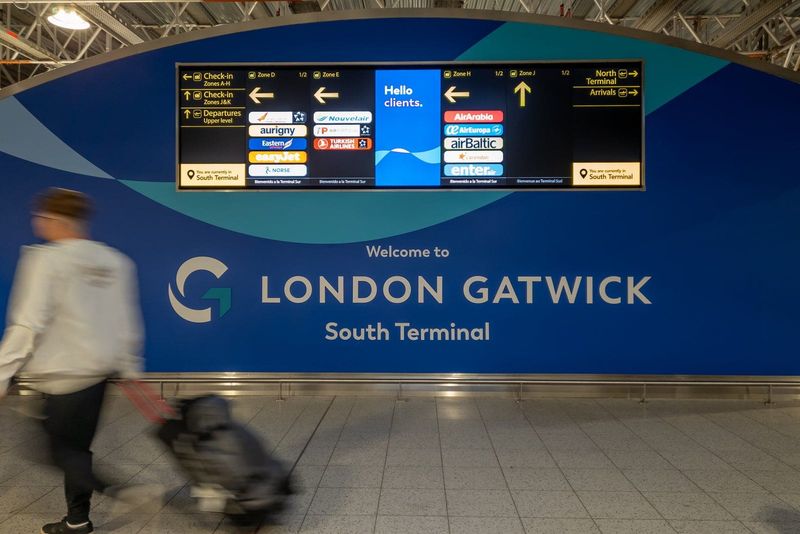
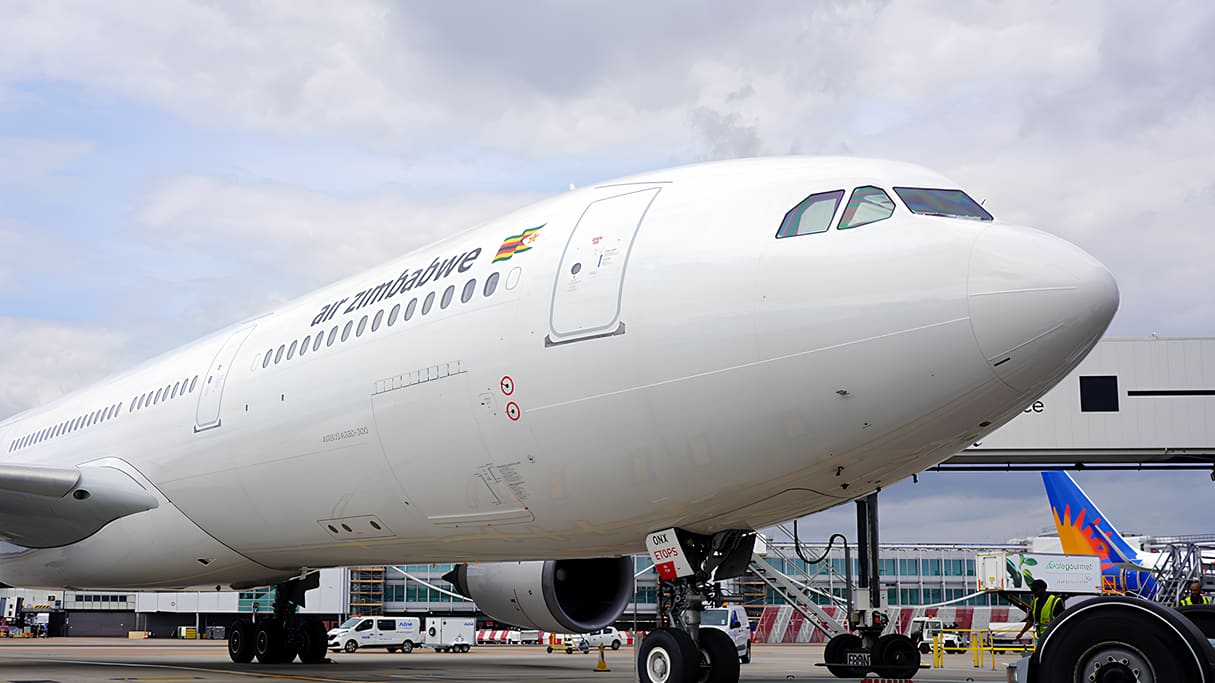
London Gatwick now holds the UK monopoly on direct flights to Harare. Air Zimbabwe launched the service in late July 2026, operating three times a week on an Airbus A330-200 from the South Terminal. The route had been dormant for more than 14 years, forcing UK passengers to route through Addis Ababa, Doha, or Johannesburg.
The timing reflects broader momentum. Since 2023, Gatwick's African passenger numbers have climbed 72 percent, a figure that suggests pent-up demand rather than a momentary spike. The airport now connects to 27 African cities through 18 carriers, part of a record summer roster of more than 230 destinations.
For the Zimbabwean diaspora in the UK, estimated in the tens of thousands, the nonstop option trims hours and eliminates the hassle of layovers. Business travelers gain a simpler path to a capital that anchors southern African trade corridors. Leisure passengers can skip the connecting-flight roulette that often adds a day to each direction.
What Harare Offers Beyond Arrival Halls
Harare sits at roughly 1,500 meters, cooler and greener than many visitors expect. Jacaranda-lined avenues and parks like the National Botanic Garden give the city a different texture from the safari lodges that dominate Zimbabwe's tourism branding. The National Gallery holds one of sub-Saharan Africa's most respected collections of contemporary Shona sculpture, a draw for art buyers and curators.
The city also serves as the logical springboard for Victoria Falls, Hwange National Park, and the Eastern Highlands, all within a short domestic flight or drive. With Zimbabwe's tourism sector rebuilding after years of economic turbulence, direct access from a major European hub matters. Tour operators can now package itineraries without the friction of multi-leg routings, and families visiting relatives no longer lose half a day in transit lounges.
Gatwick's African Bet
Gatwick handles around 43 million passengers a year, trailing only Heathrow in the UK. Its single-runway constraint has historically forced the airport to prioritize point-to-point leisure and ethnic routes over hub-and-spoke network traffic. That model aligns well with African city pairs, where demand is often concentrated around diaspora travel and holiday peaks rather than daily business shuttles.
The airport has added 11 new routes in 2026 alone, working with 63 airline partners. Africa accounts for a growing share of that expansion. Carriers see opportunity in underserved markets where legacy airlines have retreated or never ventured, and Gatwick's lower operating costs compared with Heathrow make thin routes more viable.
Jonny Macneal, the airport's head of aviation development, described the Harare launch as hugely significant for passengers traveling to and from Zimbabwe's capital. The enthusiasm at the inaugural departure, visible in the terminal welcome, underscored the community appetite.
Risks and Realities
Direct flights simplify logistics, but they also hinge on sustained load factors. Air Zimbabwe has faced operational and financial challenges in the past, and three-times-weekly frequency leaves little room for error if demand softens. Seasonal swings, exchange-rate volatility, and visa policies all influence whether a route survives its first year or fades into the timetable archives.
Zimbabwe's tourism infrastructure is improving, yet perceptions lag. Some travelers still associate the country with the hyperinflation years of the late 2000s, even though the situation has stabilized. Direct flights help counter outdated narratives by making the destination feel accessible, but marketing will need to keep pace.
Gatwick's broader African network also faces competition. Heathrow still commands the premium business traffic to Johannesburg and Nairobi, while Manchester and Birmingham court their own regional diaspora bases. The 72 percent traffic jump since 2023 is impressive, but sustaining that growth requires airlines to keep adding capacity and routes, not just frequencies.
Why This Route Landed Now
Air Zimbabwe's return to London follows years of fleet and regulatory work. The carrier needed aircraft that could handle the roughly 8,000-kilometer sector economically, and the A330-200 fits that brief. UK and Zimbabwean aviation authorities also had to clear operational approvals, a process that took time after the long hiatus.
Demand patterns shifted during the pandemic. Remote work loosened the tyranny of short holidays, and many diaspora families postponed visits for years, creating a backlog. At the same time, Zimbabwe's political and economic environment, while still fragile, has shown enough stability to encourage cautious optimism among investors and tour operators.
Gatwick's push toward net zero by 2030 and plans to bring its Northern Runway into regular use add capacity headroom. The airport can absorb new long-haul routes without cannibalizing existing slots, a flexibility that Heathrow lacks. That makes Gatwick an attractive partner for airlines testing new markets.
What Comes Next
The Harare route will face its real test in the northern-hemisphere winter, when leisure demand to southern Africa traditionally softens. If Air Zimbabwe can hold loads through the shoulder season, the service has a better chance of becoming permanent. Success might also prompt other carriers to look at secondary Zimbabwean cities or neighboring capitals like Lusaka or Gaborone.
For now, UK travelers have a new option that saves time and simplifies planning. Whether it lasts depends on how many people actually book it, how smoothly the airline operates, and whether Zimbabwe's tourism and business sectors can convert access into sustained traffic. The first flight has departed; the hard part is keeping the seats full.