A Quick Fix for a Tight Moment
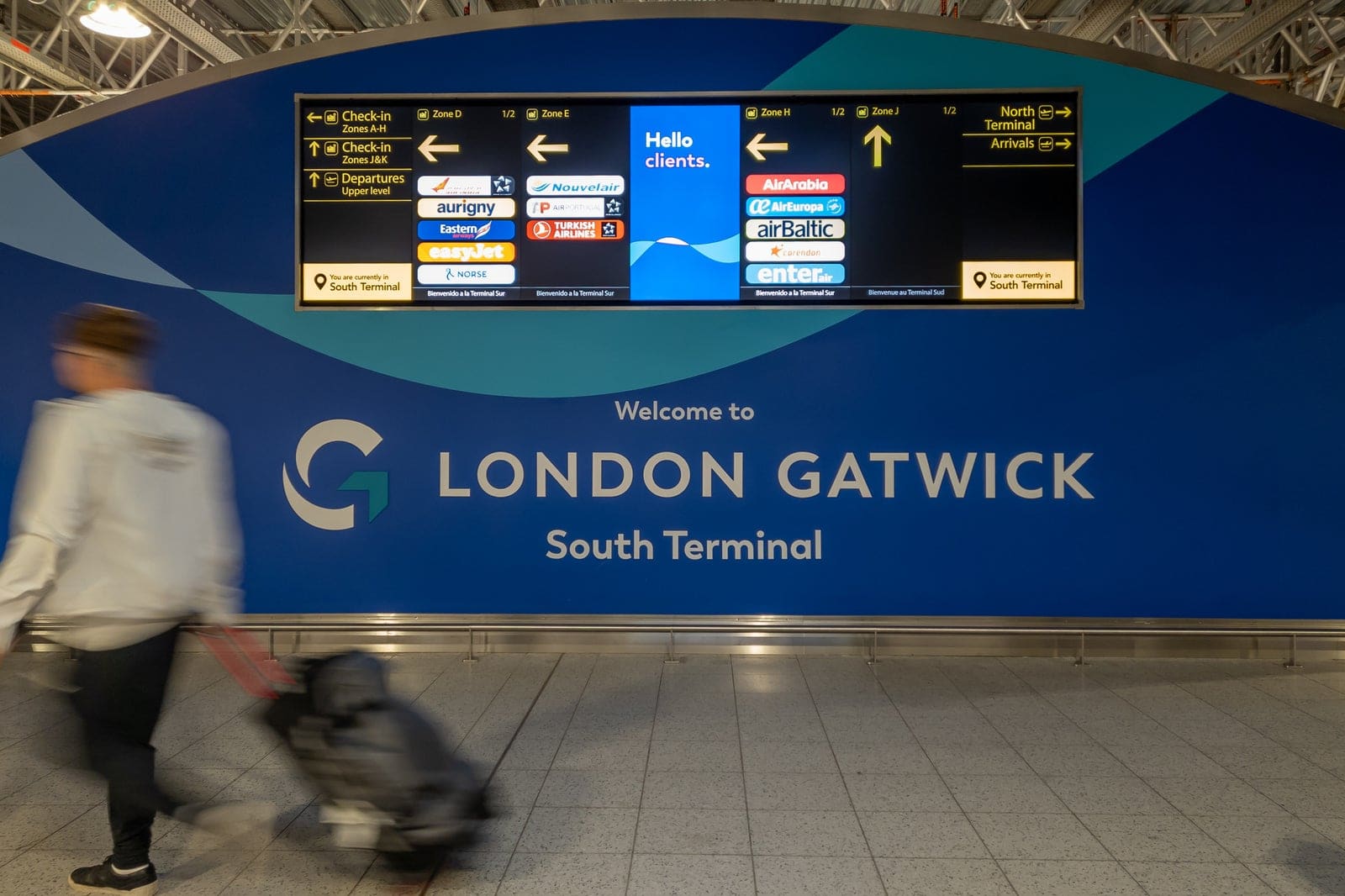
London Gatwick confirmed that fuel is once again flowing normally after a technical fault over the weekend briefly threatened supply at one of Europe's busiest hubs. The airport issued reassurances that the problem, which prompted airlines to warn flight crews and adjust refueling plans, has been resolved and that no flights were delayed or canceled as a result.
The episode unfolded on Sunday, when internal memos circulated among pilots and airline managers flagged a potential two-day shortage. Flight crews were advised to load extra fuel at other airports before arriving at Gatwick - a precautionary step that reflects how tightly choreographed aviation logistics can be. One memo seen by media outlets warned staff that Gatwick faced a fuel shortfall and urged crews to "uplift max possible fuel at outstations."
By Monday, the airport said engineers had fixed the issue at one of its external fuel suppliers. A spokesperson emphasized that the glitch was unrelated to geopolitical tensions in the Middle East, which have periodically raised concerns about energy security in recent years. The clarification mattered, given that supply-chain anxieties tend to spike when international conflicts touch oil-producing regions.
Why the System Held
What stands out is that Gatwick kept planes moving. Despite the alerts, carriers continued their schedules, suggesting that contingency plans - extra fuel on board, coordination with suppliers, and real-time monitoring - worked as designed. The airport's ability to resolve the fault within roughly 24 hours also points to the redundancy built into fuel infrastructure at major terminals, where multiple suppliers and backup systems are standard.
Still, the incident underscores a fragile reality. Modern airports depend on a web of external contractors and just-in-time delivery for everything from jet fuel to drinking water. When one link wobbles, the ripple can be felt across dozens of carriers and tens of thousands of passengers. In this case, the wobble was brief, but it served as a reminder that operational resilience often hinges on unseen technical teams working under pressure.
The timing added an extra layer of scrutiny. Just a week earlier, Gatwick dealt with a major water outage that left travelers unable to flush toilets or wash their hands in some terminals - a separate infrastructure failure that drew complaints and headlines. Two unrelated disruptions in quick succession raise questions about maintenance cycles and whether aging systems are keeping pace with passenger volumes that have rebounded sharply since the pandemic.
What Travelers Should Know
For now, passengers booked through Gatwick can proceed with their plans. The airport has said it will continue to monitor fuel availability closely, a standard precaution after any technical incident. Airlines, too, are likely to keep closer tabs on fuel logistics in the near term, especially as summer travel peaks and margins for error shrink.
The episode also highlights a less visible side of air travel: the logistical ballet that happens before a plane ever pushes back from the gate. Fuel trucks, supply pipelines, quality checks, and coordination among multiple vendors all have to align. When they do, passengers never notice. When they don't, even a small hiccup can cascade into delays, diversions, or the kind of emergency memos that make headlines.
Gatwick has not disclosed which supplier experienced the fault or what specific technical issue caused the disruption. That level of detail rarely makes it into public statements, though it often shapes internal reviews and future contracts. What matters to most travelers is that the fix held and that the airport's assurance - fuel is flowing, flights are on time - proved accurate.
In an industry where redundancy and contingency planning are built into every operation, this weekend's fuel scare was a test of both. Gatwick passed, but the close call is a useful reminder that the infrastructure supporting modern travel is complex, interconnected, and occasionally more fragile than it appears from the departure lounge.