Strong Traffic Despite Regional Headwinds
Heathrow welcomed 40 million passengers between January and June 2026, a modest rise from 39.9 million in the same period of 2025, according to the airport. North America traffic grew 1.6 percent, while Asia-Pacific routes jumped 7.9 percent. Transfer passengers, a key revenue driver for the hub, climbed 5.4 percent.
Middle East demand softened, but the airport's broad network cushioned the impact. Cargo volumes edged up nearly one percent, reinforcing Heathrow's role as the UK's largest air freight gateway.
The figures suggest steady appetite for long-haul travel even as geopolitical uncertainty lingers in parts of the world. Airlines serving Heathrow continue to lean on connecting traffic, a sign the hub model remains resilient when point-to-point demand wobbles.
Punctuality and Passenger Ratings Hold
Heathrow maintained its position as Europe's most punctual major airport, with more flights leaving on schedule than any rival hub on the continent. Recent Skytrax rankings placed Heathrow among the world's top airports and awarded it best airport shopping experience.
Those marks matter in a competitive market where passengers compare hubs. Airlines value reliability because delays cascade through schedules, and travellers notice when connections tighten. Heathrow's service scores also reflect years of operational tweaks, from better ground handling coordination to streamlined boarding processes.
The shopping accolade hints at another reality: airports increasingly compete on retail and dining, not just flight frequency. Heathrow has leaned into that trend, curating brand mix and extending opening hours to capture spending from early-morning and late-night travellers.
Security Scanners Roll Out Across Terminals
Heathrow completed a £1 billion programme to install advanced security scanners, becoming the first major global hub where passengers can leave liquids and laptops in carry-on bags during screening, according to the airport. The technology uses computed tomography to generate three-dimensional images, allowing security staff to examine bag contents without requiring travellers to unpack electronics or small bottles.
The change speeds up queues and cuts stress at checkpoints, particularly during peak hours when even small delays compound. Other airports are watching closely; regulatory approval and capital cost have slowed adoption elsewhere, but Heathrow's scale and passenger mix made the investment worthwhile.
The scanner rollout also shifts the trade-off between security and convenience. For years, passengers accepted longer waits and stricter rules as the price of safety. New technology narrows that gap, though it demands staff retraining and updated standard operating procedures behind the scenes.
Terminal Upgrades Target Pinch Points
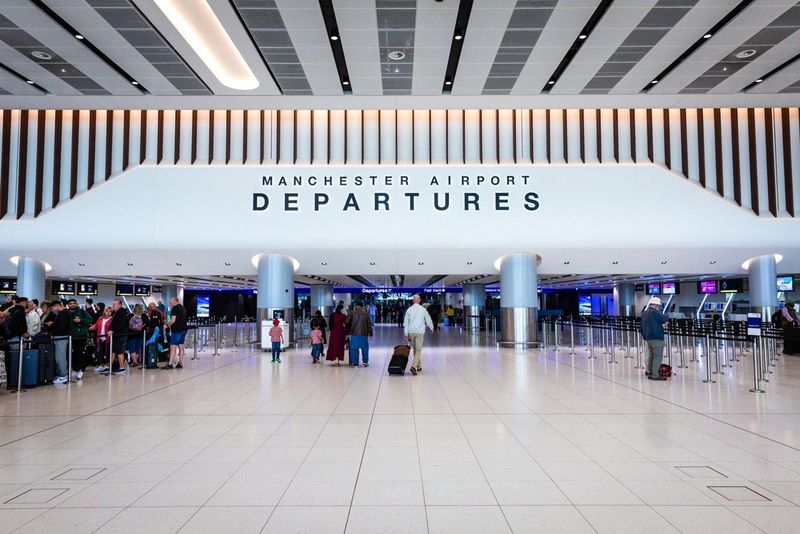
Work began on a new entrance for Terminal 4, redesigning the check-in hall and easing vehicle congestion outside the building. The project includes a larger multi-storey car park, addressing a long-standing complaint from passengers who circle for spaces during busy periods.
In Terminal 2, Heathrow upgraded sections of the baggage system, already improving reliability, the airport said. Baggage handling remains one of aviation's most visible friction points; mishandled bags generate complaints, compensation claims, and social media backlash. Incremental improvements in sorting and tracking technology pay dividends in passenger satisfaction and airline costs.
Terminal 4's refresh also signals Heathrow's bet on sustained traffic growth. The terminal has swung between full operation and partial closure over the past few years as demand fluctuated. Investing now suggests confidence that long-haul routes will keep filling seats.
Revenue Climbs Slightly, Costs Rise Faster
Revenue for the six months ending 30 June 2026 rose 0.3 percent to £1.73 billion, while adjusted operating costs increased 6.4 percent to £814 million, according to Heathrow. Higher business rates and national insurance contributions, along with spending on new technology, drove the cost increase. Adjusted EBITDA fell 4.6 percent to £915 million.
The airport reported gearing of 83.2 percent and liquidity of £3.8 billion, enough to cover obligations for at least 18 months. Shareholders received a £200 million dividend.
The cost pressures reflect a broader squeeze on UK infrastructure operators. Government tax policy and wage inflation hit fixed-cost businesses hard, and airports have limited room to raise charges without triggering regulatory scrutiny or airline pushback. Heathrow's ability to pay a dividend despite margin compression underscores its cash generation, but the gap between revenue and cost growth will need to close for profitability to hold steady.
Expansion Debate Heats Up Again
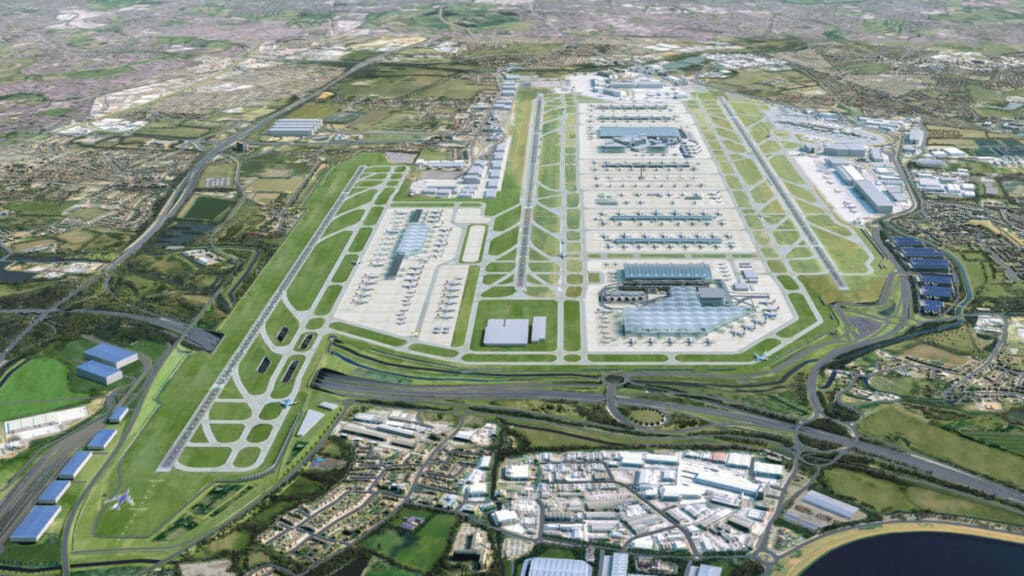
The UK government opened consultation on a draft National Policy Statement recognising Heathrow as Critical National Growth Infrastructure. The airport's privately funded third runway proposal projects a 50 percent boost to trade, £40 billion in economic growth, and 60,000 jobs, according to Heathrow.
Local support stands at 68 percent, with backing from trade unions and businesses. The Civil Aviation Authority continues work on the regulatory framework, and Heathrow is calling for longer-term certainty and incentives that could deliver lower fares through added capacity.
Expansion has cycled through political favour and opposition for more than a decade. Proponents cite connectivity and economic spillovers; opponents point to noise, air quality, and climate impact. The latest consultation suggests the current government sees infrastructure investment as a growth lever, but planning approvals, environmental reviews, and judicial challenges could still delay construction.
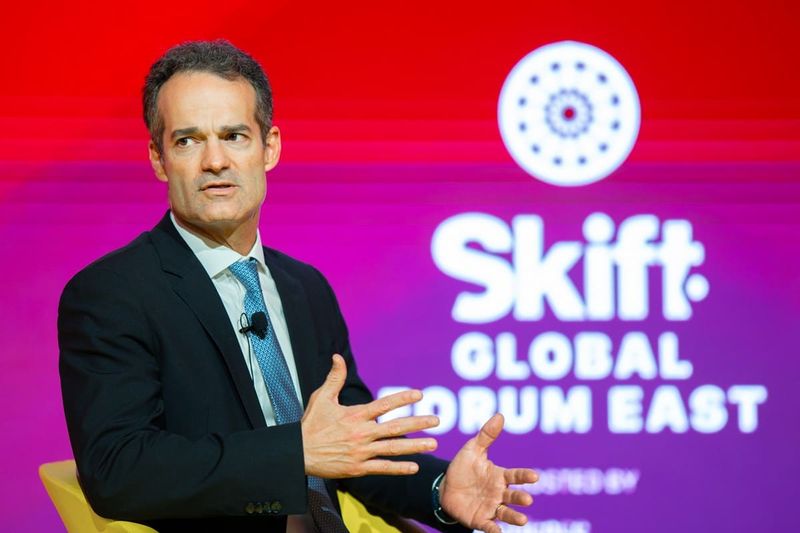
Heathrow CEO Thomas Woldbye framed the runway as a catalyst for UK supply chains, including steel production, and a pathway to tens of thousands of apprenticeships. The pitch blends economic development with skills training, aiming to broaden the coalition beyond aviation interests.
What It Means for Travellers
Heathrow's infrastructure investments translate into tangible shifts at check-in and security. Faster screening and better baggage reliability matter more to most passengers than runway debates or financial metrics. The airport's punctuality record also reduces the risk of missed connections, a key consideration for anyone booking a multi-leg journey through London.
Expansion remains years away even if approvals move quickly, but the planning process will shape airline route decisions and slot allocation in the meantime. If the third runway proceeds, expect more competition on long-haul routes and potentially lower fares as capacity opens up. If it stalls again, Heathrow's constrained slot pool will keep fares elevated and limit new entrants.
For now, the airport's bet is on steady improvement within its current footprint while keeping expansion plans alive. That strategy hinges on balancing passenger experience, cost control, and political alignment, a juggling act that defines hub operations in crowded, regulated markets.