A New Leader Emerges
Istanbul Airport has claimed the top spot as the world's most connected airport, ending London Heathrow's three-year run at the summit. The shift marks a significant moment in global aviation, driven by Turkish Airlines' aggressive expansion and the Turkish hub's growing role as a bridge between continents.
According to the 2026 OAG Megahubs Index, Istanbul now offers connections to 337 destinations worldwide, the highest number of any airport globally. The ranking measures connectivity by analysing possible flight combinations within a six-hour layover window at the world's 100 largest international airports.
The rise has been swift. Just two years ago, Istanbul sat in eighth position. By 2025, it had jumped to second. Now it leads outright.
Heathrow Loses Ground
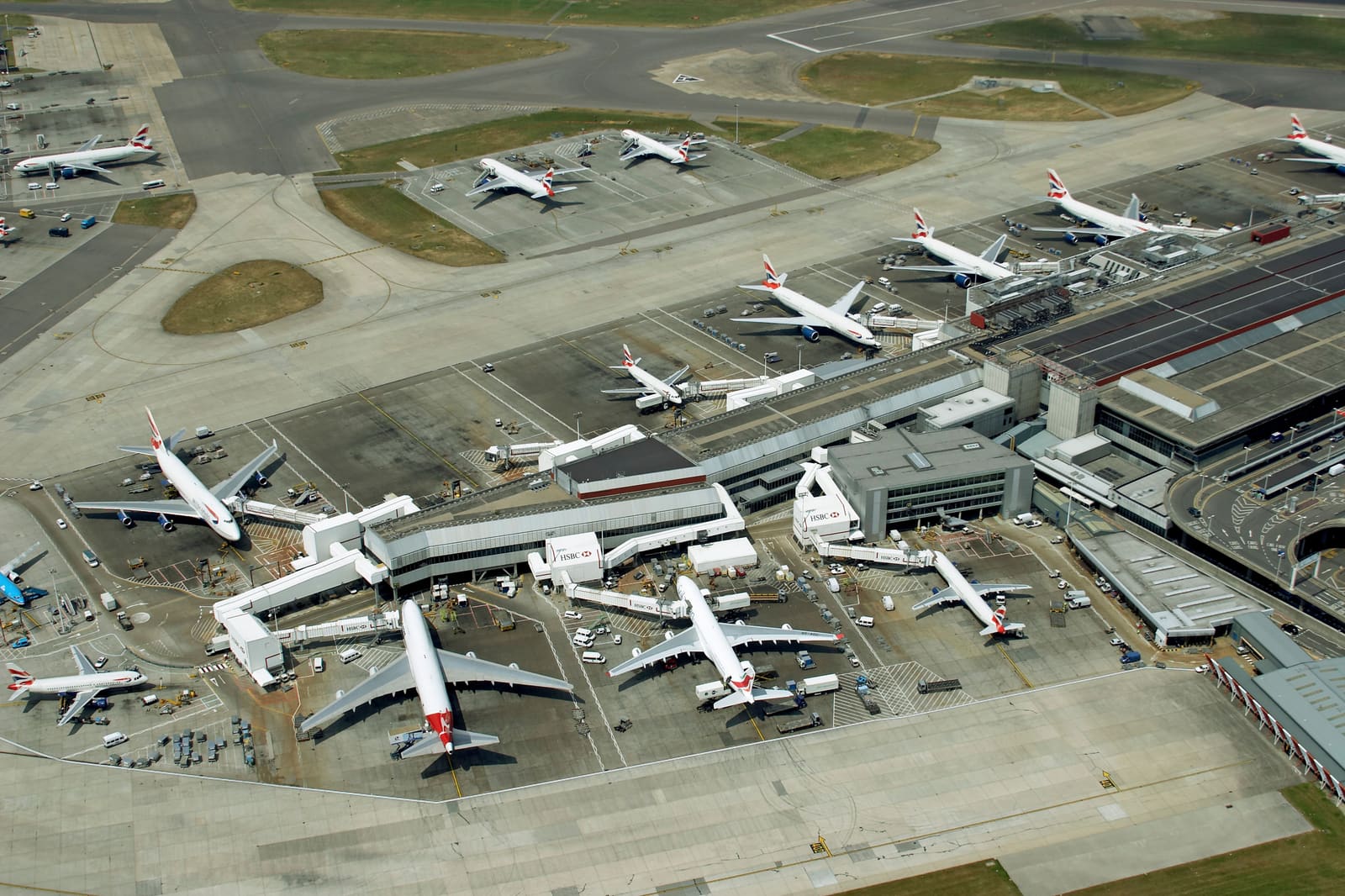
London Heathrow drops to second place, with potential connections on its busiest operating day falling by six per cent compared to the previous year. The airport still serves 226 destinations, but the numbers tell a story of stagnation amid regional turbulence.
Middle East flight schedules played a role. Disruptions stemming from ongoing conflict in the region led to cancellations and delays at several hubs, prompting airlines and passengers to reroute through Istanbul instead. The Turkish airport became a workaround, and the traffic stuck.
Heathrow's slip is less about decline and more about others growing faster. Capacity constraints and slot limitations have long hampered expansion at the London hub, while Istanbul has room to grow and a national carrier eager to fill it.
The Rest of the Top Five
Amsterdam Schiphol climbs into third position, benefiting from increased capacity and a broader destination network. The Dutch airport has managed to expand even as European aviation faces pressure from environmental regulations and infrastructure bottlenecks.
Kuala Lumpur holds steady in fourth place, maintaining its status as Asia's best-connected airport. Though the number of potential connections dipped slightly year on year, the Malaysian hub now serves 154 destinations, up from 151 previously. That growth in reach offsets the drop in connection volume.
Frankfurt shares fourth place with Kuala Lumpur, reflecting its role as a major European transfer point. The German airport remains a key node for travellers moving between Europe and the rest of the world, particularly for long-haul business routes.
What Connectivity Really Means
The OAG Megahubs Index does not simply count the number of flights or passengers. It measures how well an airport functions as a connecting point. The methodology examines data over a 12-month period, calculating how many viable onward flights a passenger can catch within six hours of landing.
That window matters. Too short, and passengers miss connections. Too long, and the layover becomes a burden rather than a convenience. Six hours is the sweet spot for most travellers, allowing time for immigration, baggage transfer, and a buffer against delays.
Istanbul's strength lies in its geographic position and the operational scale of Turkish Airlines, which serves more countries than any other carrier. The airline's hub-and-spoke model funnels passengers through Istanbul from Europe, Asia, Africa, and the Middle East, creating a dense web of connections.
Regional Shifts and Geopolitical Realities
The rankings reflect broader shifts in global travel patterns. Middle East tensions have disrupted traditional routes and forced airlines to adapt. Istanbul, positioned just outside the most affected zones, has absorbed much of the redirected traffic.
Meanwhile, Asian hubs like Kuala Lumpur continue to serve as gateways for intra-Asian travel and connections to Oceania. The airport's performance underscores the resilience of Southeast Asia's aviation sector, which has rebounded strongly from pandemic-era lows.
European airports face a more complex picture. Amsterdam's rise is notable, but other major hubs are struggling with capacity limits, labour shortages, and regulatory pressures. Heathrow's slip may be the first sign of a longer-term shift in Europe's aviation hierarchy.
What This Means for Travellers
For passengers, connectivity translates into options. More connections mean more flexibility in routing, more opportunities to find competitive fares, and a greater chance of recovering from missed flights or delays.
Istanbul's new status will likely make it an even more attractive layover point, particularly for travellers moving between Europe and Asia or Africa. The airport has invested heavily in terminal facilities, and Turkish Airlines offers competitive stopover packages designed to encourage longer visits.
Heathrow's second-place finish does not diminish its importance. The airport remains a critical hub for transatlantic travel and a gateway to the UK. But the gap is closing, and other airports are catching up.
The 2026 rankings suggest that the future of global aviation connectivity may be less concentrated in traditional Western hubs and more distributed across emerging centres with the infrastructure and ambition to grow.