A New Arrival in Manchester
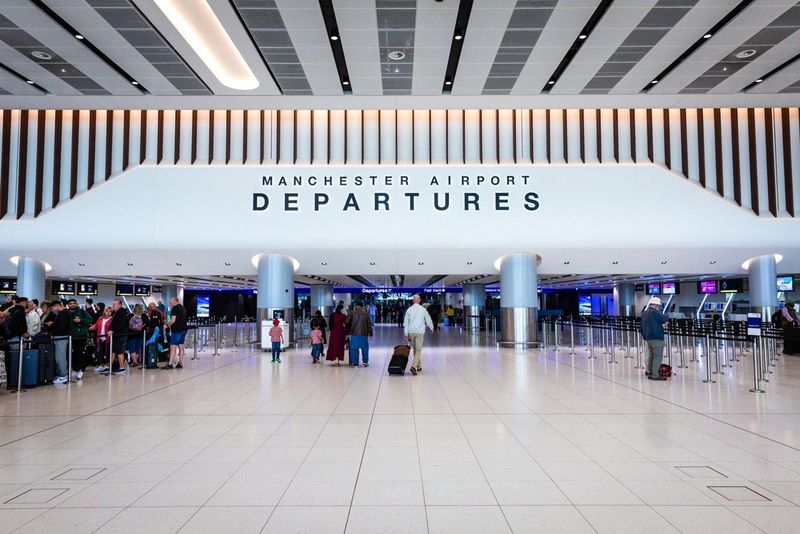
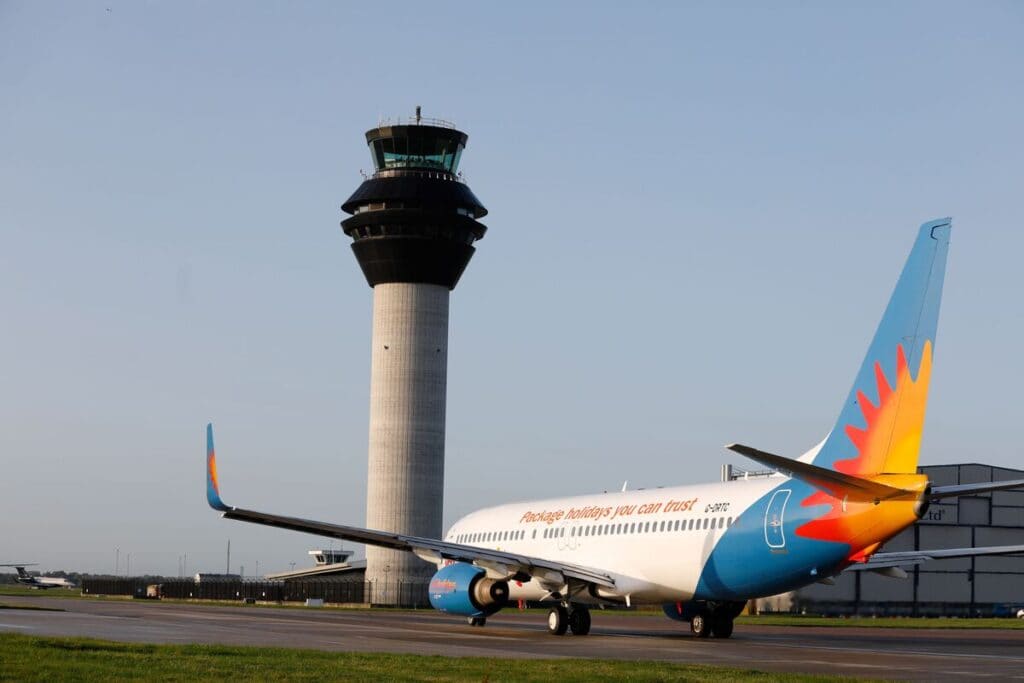
The newest Airbus A321neo in Jet2's fleet, registered G-JZEA, completed its first passenger flight this week. Painted in the bright Jet2holidays livery, the aircraft departed Manchester Airport for Corfu, marking a visible step in the airline's ongoing fleet renewal.
This is the 30th aircraft of its type to join the carrier since deliveries began in March 2023, when the first example, G-SUNB, entered service. The airline has placed a firm order for 155 A321neo jets, with deliveries scheduled through 2035.
Jet2 operates from 14 bases across the UK, serving leisure travelers heading to destinations across Europe and the Mediterranean. The shift to newer aircraft supports both the airline's expansion plans and its push to reduce environmental impact without waiting for distant technological breakthroughs.
What the A321neo Brings
The A321neo is designed to be the most fuel-efficient single-aisle jet in its category. According to Airbus, it burns more than 20% less fuel per seat than the models it replaces, which translates directly into lower carbon dioxide emissions. It also produces half the noise of older jets in Jet2's current fleet, a benefit for communities near airports and passengers on board.
Powering the aircraft are CFM LEAP-1A engines, known for their efficiency and reliability. Inside, passengers find updated cabins with improved air quality and comfort features that align with the expectations of modern travelers. The aircraft's range and fuel capacity allow Jet2 to operate more direct flights and adjust schedules with greater flexibility, particularly on popular leisure routes.
Beyond New Planes
Fleet renewal is just one piece of Jet2's sustainability approach. Paul Southall, the airline's Head of Sustainability, emphasized that the carrier focuses on practical, measurable changes rather than relying on future innovations. "Our approach to sustainability is results driven and built around practical steps that make a real difference," Southall said in a statement.
The airline has retrofitted 74 of its Boeing 737-800NG aircraft with Split Scimitar Winglets, devices that improve aerodynamic performance and cut fuel consumption. More than half of the ground service equipment Jet2 owns has been electrified, with a target of 99% by 2035. Weight reduction measures include applying lighter paint to over 80 aircraft and streamlining onboard items through the company's Retail Operations Centre.
Jet2 is also investing in Sustainable Aviation Fuel, aiming for SAF to make up at least 15% of its fuel mix by 2035. The airline has set a goal to reduce its carbon emissions intensity by 35% by that year, measured against 2019 levels. In specific terms, that means dropping from 67 grams of CO₂ equivalent per revenue passenger kilometer to 43.55 grams. The target aligns with Science Based Targets initiative guidance and supports a longer-term ambition of reaching net zero emissions by 2050.
Balancing Growth and Responsibility
Jet2's order book stretches more than a decade into the future, providing a clear framework for expansion. The airline is positioning itself to grow its network while keeping emissions in check, a balance that has become central to how carriers communicate their strategies to travelers, regulators, and investors.
The 30th A321neo represents a tangible milestone in that effort. With 125 more aircraft still to arrive, the fleet transformation is far from complete. But the pace of delivery and the scope of the order signal that Jet2 is building its operations around newer, cleaner technology as a baseline rather than a distant goal.
For passengers, the shift means quieter cabins, more direct routes, and a carrier that is actively working to reduce its footprint. For the airline, it means lower fuel costs, regulatory alignment, and a fleet capable of supporting growth across its European network without reversing progress on emissions. The next deliveries are already in the pipeline, and the airline's sustainability metrics will continue to evolve as the fleet transitions.