A New Baggage Model
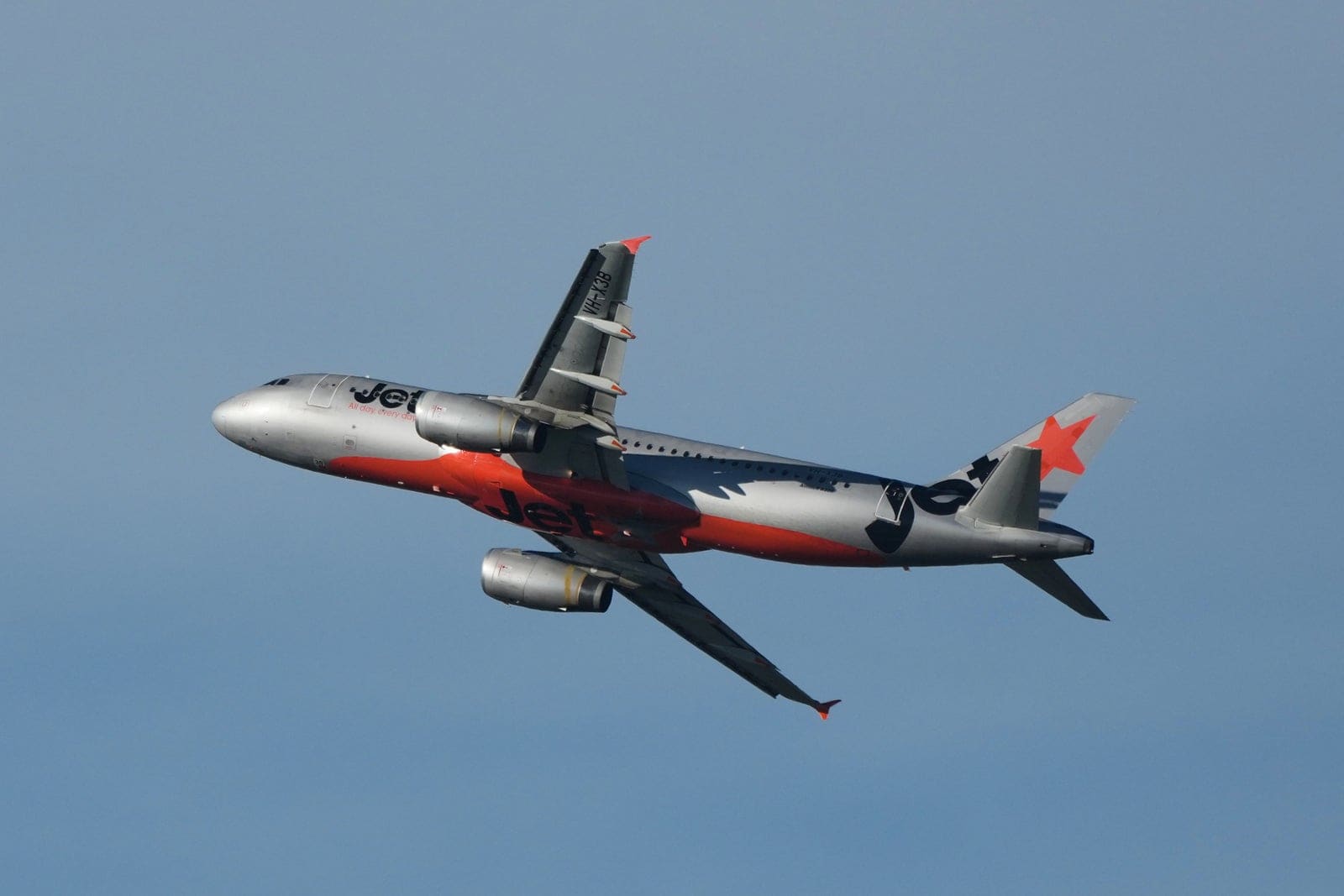
From February, Jetstar passengers will need to pay extra if they want to store a bag in the overhead locker. The Australian budget airline announced the policy shift this week, saying all travellers will receive one small personal item that fits under the seat at no additional cost. Anyone wanting to bring a larger cabin bag will need to purchase what the carrier calls Priority Carry-on.
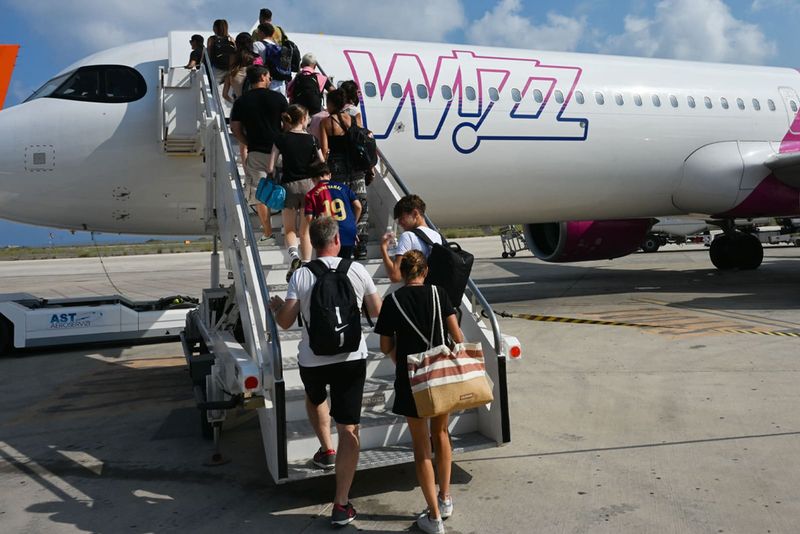
The airline will stop weighing cabin baggage at boarding gates under the new system. Instead, passengers will be responsible for ensuring their carry-on bags weigh no more than 10 kilograms, light enough to lift into the overhead compartment without help from crew.
Jetstar says the changes follow research and feedback pointing to gate weigh-ins and overhead locker congestion as two of the most frustrating parts of the airport experience. Chief executive Stephanie Tully framed the move as a way to improve boarding efficiency and on-time performance while giving travellers more control over what they pay for.
What It Will Cost
Pricing for overhead locker access will vary by route and demand. According to Jetstar, shorter domestic flights such as Launceston to Sydney will start at 25 Australian dollars. Longer international routes will command higher fees. A Cairns to Tokyo flight, for instance, would cost 52 Australian dollars, though the airline indicated prices could rise during peak periods.
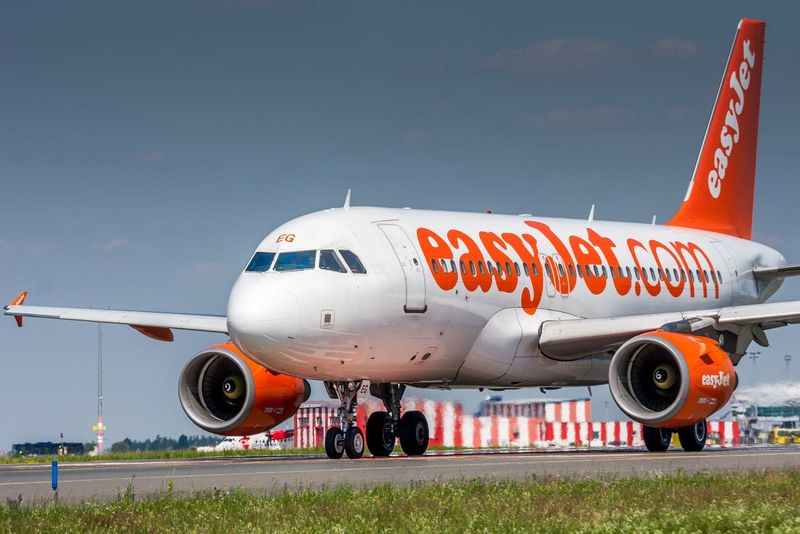
The model mirrors baggage policies already in place at several European low-cost carriers. Both EasyJet and Ryanair charge separately for larger cabin bags, a practice that has become standard in the ultra-low-cost segment. For Jetstar, the shift represents a further unbundling of the fare, with the airline arguing that passengers who travel light should pay less.
Passenger Reaction
The announcement drew sharp criticism online. Many passengers questioned whether the fee represented another step in stripping services that once came standard with a ticket. Some pointed to the risk of creating a precedent for charging for other onboard amenities.
Others saw the change as a response to passenger behaviour. Overhead locker space has long been a source of tension on budget flights, with some travellers bringing multiple bags or oversized items that crowd out other passengers. A few commenters suggested the new policy might discourage that practice, though whether it will remains unclear.
Australian opposition senator Bridget McKenzie called the baggage changes a cash grab, reflecting broader political scrutiny of airline fees and service standards.
Why Jetstar Is Doing This
Budget carriers operate on thin margins, and ancillary revenue from baggage fees, seat selection, and other add-ons has become a significant part of the business model. Jetstar is betting that passengers willing to pay for checked baggage or extra legroom will also accept paying for overhead locker access, particularly if base fares remain low.
The move also addresses an operational challenge. Boarding delays often stem from passengers struggling to find space for cabin bags, which can cascade into late departures. By limiting the number of larger bags in the cabin, Jetstar hopes to speed up the boarding process and improve punctuality.
Whether the policy will achieve those goals depends partly on how passengers adapt. If a large share of travellers still opts to pay for overhead locker access, congestion may not ease much. If most choose to travel with just an underseat bag, the airline will have succeeded in changing behaviour, though it may also face pushback if passengers feel the service has been degraded.
The Broader Trend
Jetstar's decision reflects a broader shift in the budget airline sector toward increasingly granular fare unbundling. What was once included in the ticket price has been steadily carved out into optional extras. The logic is straightforward: by offering a stripped-down base fare, airlines can advertise lower headline prices and compete more aggressively on cost, while still generating revenue from passengers who want or need additional services.
The challenge for carriers is managing passenger perception. Unbundling works when travellers feel they are gaining flexibility and paying only for what they use. It backfires when passengers feel nickel-and-dimed or when the base fare feels incomplete.
For now, Jetstar is positioning the change as a matter of choice. Travellers with minimal luggage pay less. Those who need more space pay more. Whether that framing holds up will depend on how the policy plays out in practice and whether competitors follow suit.