The Closure Window
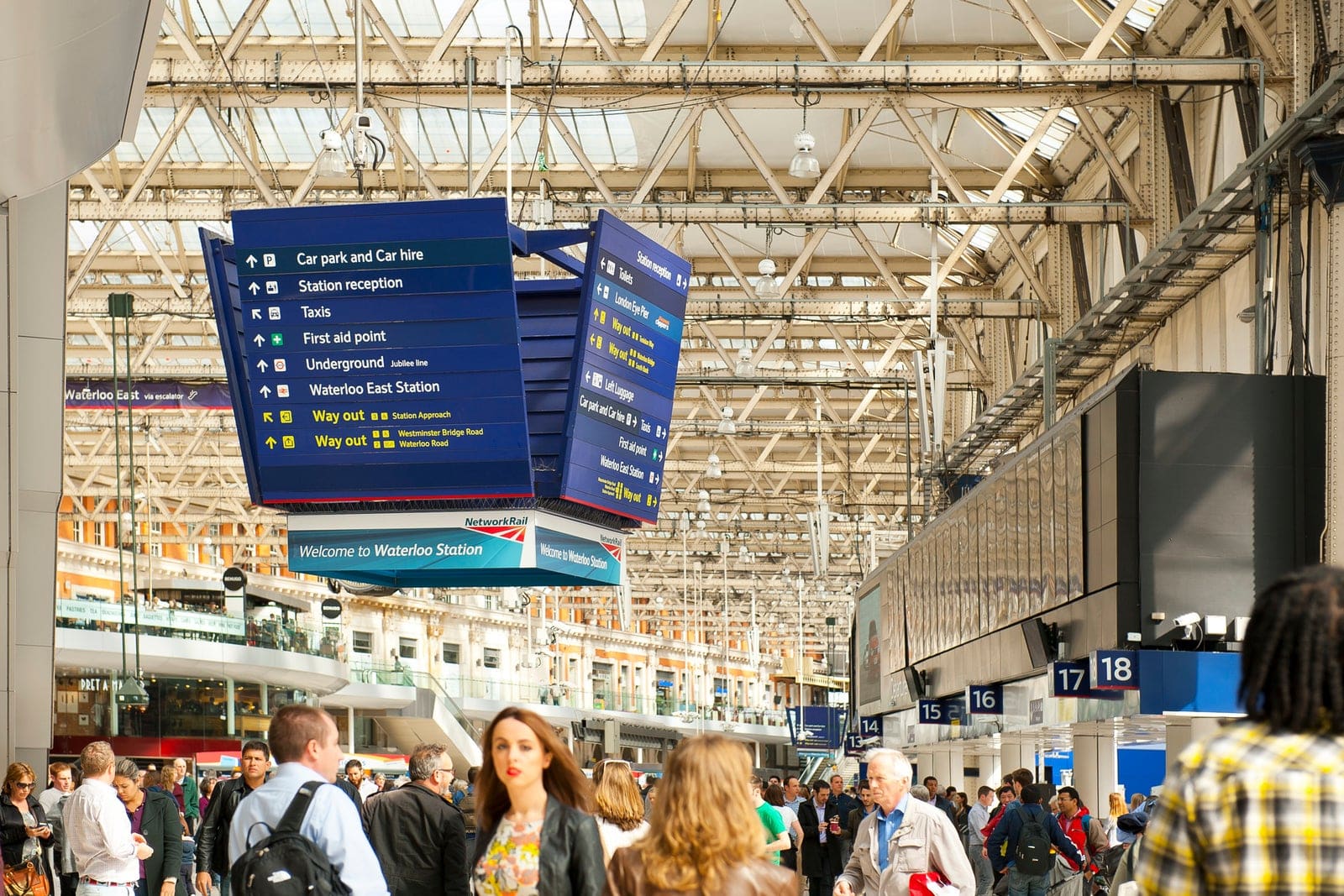
Two major London rail hubs shut their doors on July 26 and will stay closed until August 16. Charing Cross and Waterloo East stations are offline for 22 days, a disruption timed to coincide with the summer school holiday when commuter traffic typically drops by roughly a fifth.
The work is part of a £20 million infrastructure overhaul that includes laying 1,800 meters of new track, rebuilding platforms at Charing Cross, and repairing structural elements of the 175-year-old Hungerford Bridge. Waterloo East will also see upgraded drainage systems. According to Southeastern Railway, the scale of the project makes a multi-week closure the only practical option.
The track being replaced was last installed in the early 1990s and has been failing with increasing frequency. Southeastern reported that recent faults have caused more than 350 hours of delays over the past period. The operator framed the closure as necessary to prevent an accelerating cycle of breakdowns that would compound frustration for daily travelers.
Where Trains Will Run Instead
Southeastern services normally terminating at Charing Cross will be diverted to London Victoria, Cannon Street, and Blackfriars. Some trains will end their runs at London Bridge rather than push into the city center. Passengers holding tickets for the closed stations can use any reasonable alternative route at no extra cost, including the London Underground, Thameslink services between Elephant and Castle, London Bridge, and St Pancras International, and Southern trains running to and from London Bridge and Victoria.
Refunds are available for all ticket types through a claim form that became accessible on July 26. The flexibility in routing and the refund policy reflect an acknowledgment that the closure will force many travelers to rethink their daily patterns or accept longer journey times.
Why Now
The timing is deliberate. School holidays and lower commuter volumes create a narrow window when track closures impose less widespread disruption. Southeastern estimates that passenger numbers during this period run about 20 percent below term-time levels, leaving more capacity on alternative routes and reducing the risk of overcrowding as people shift to Victoria, Cannon Street, or the Tube.
The choice to bundle the work into a single sustained closure, rather than spreading it across weekends or overnight shifts, reflects the complexity of the job. Replacing nearly two kilometers of track, rebuilding platforms, and addressing structural issues on a bridge that predates the London Underground requires sustained access and the ability to bring in heavy equipment without the constant pressure of reopening for the next morning's rush.
Additional Closures Later in the Year
Trains will also skip both stations on two additional weekends: August 22 to 23 and October 10 to 11. These shorter closures likely cover finishing work or tasks that could not be completed during the main August window. The staggered approach suggests that while the bulk of the upgrade happens now, some elements require follow-up once the primary track and platform work is in place.
For travelers, the message is straightforward: if your usual route involves Charing Cross or Waterloo East, plan for a detour or a different station through mid-August, and keep an eye on those October dates. The disruption is significant, but the infrastructure being replaced has been in the ground for three decades and was showing its age in ways that were beginning to cost passengers hours of waiting time.