A Long Fight Reaches Its End
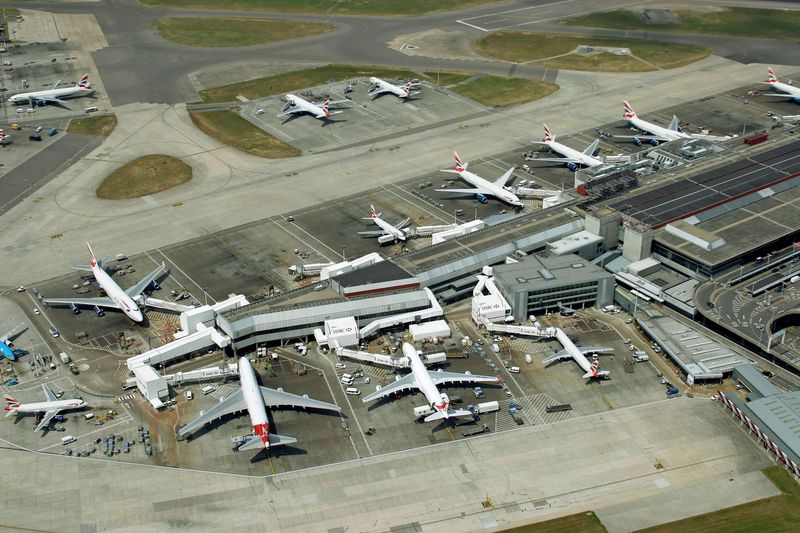
Gatwick Airport can now move forward with its controversial Northern Runway project. On 4 August 2026, the Court of Appeal refused permission for a final challenge brought by local campaigners. Judges found that none of the arguments raised had any realistic chance of success in a full appeal hearing.
The decision closes an eight-year planning and legal process that has divided communities around one of Britain's busiest airports. For Gatwick, it removes the last major obstacle to a £2.2 billion expansion that officials say will reshape capacity at the London gateway. For opponents in West Sussex, Surrey and Kent, it marks a bitter defeat in a campaign fought on grounds of noise, climate impact and infrastructure strain.
What Changes on the Ground
The project will convert Gatwick's existing northern runway from standby use to routine operations. At present, that strip serves mainly for emergencies and maintenance. The work involves shifting it roughly 12 metres further north to meet international safety standards for simultaneous use.
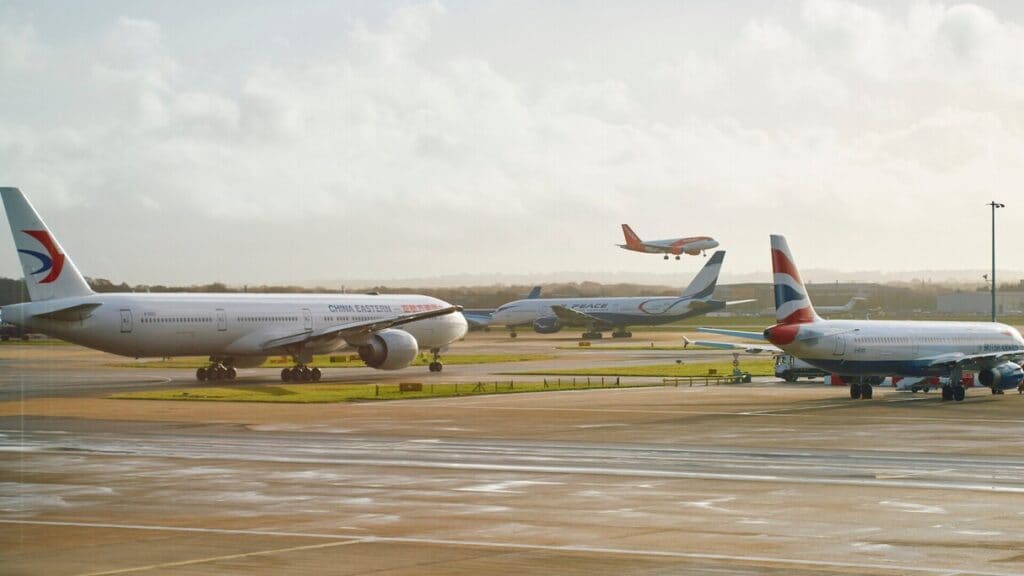
Once complete, departures will operate from both runways while arrivals continue to use the main southern strip. According to Gatwick, this arrangement could add capacity for up to 100,000 additional flights each year and accommodate around 13 million more passengers annually. Over time, the airport aims to handle about 80 million passengers a year, nearly double the 42.8 million it served in 2025.
The expansion is privately financed. First dual-runway operations are expected around 2030, though some earlier projections suggested construction might wrap up closer to 2029.
The Legal Road
The Secretary of State for Transport granted development consent in September 2025, lifting previous restrictions on simultaneous runway use. Campaigner Peter Barclay and the group Communities Against Gatwick Noise Emissions challenged that decision, raising concerns about climate effects, aircraft noise and the application of national aviation policy.
Both the High Court in June 2026 and now the Court of Appeal have upheld the government's approval. After a two-day hearing in late July 2026, judges concluded the proposed appeal grounds were unarguable and saw no compelling reason to grant permission for a full hearing.
The Economic Pitch
Gatwick frames the project as an economic opportunity. The airport estimates it will create around 14,000 new jobs and deliver a £1 billion annual boost to the UK economy. Officials also point to benefits for tourism, trade and local skills programmes.
Chief executive Pierre-Hugues Schmit welcomed the ruling, saying it allows the airport to shift from planning to detailed design and delivery. For Gatwick, the decision ends years of uncertainty and opens the door to construction.
What Opponents Say
Local groups have argued consistently that the expansion will increase aircraft noise and carbon emissions for communities under flight paths. They have also questioned whether surrounding road and rail networks can cope with the extra demand.
The courts accepted that the Secretary of State properly weighed these concerns against national policy, which supports making better use of existing airport infrastructure. That policy applies provided the additional capacity serves demand beyond what would be met by Heathrow's proposed third runway.
The Court of Appeal decision does not silence those concerns, but it removes any legal route to block the project. Opponents now face the reality of increased flight activity in an area that has already seen steady growth in passenger numbers over the past decade.
What Comes Next
With legal challenges exhausted, Gatwick can now move into detailed design and procurement. The airport has not yet published a final construction timeline, but updates are expected in the coming months.
The project represents one of the largest privately financed airport expansions in the UK in recent years. It also tests the limits of public tolerance for aviation growth in densely populated regions. For travellers, the expansion promises more flight options and potentially more competition on routes to and from London. For residents, it means living with the trade-offs that come with being near a major international hub.