A Steeper Bill at the Kerb
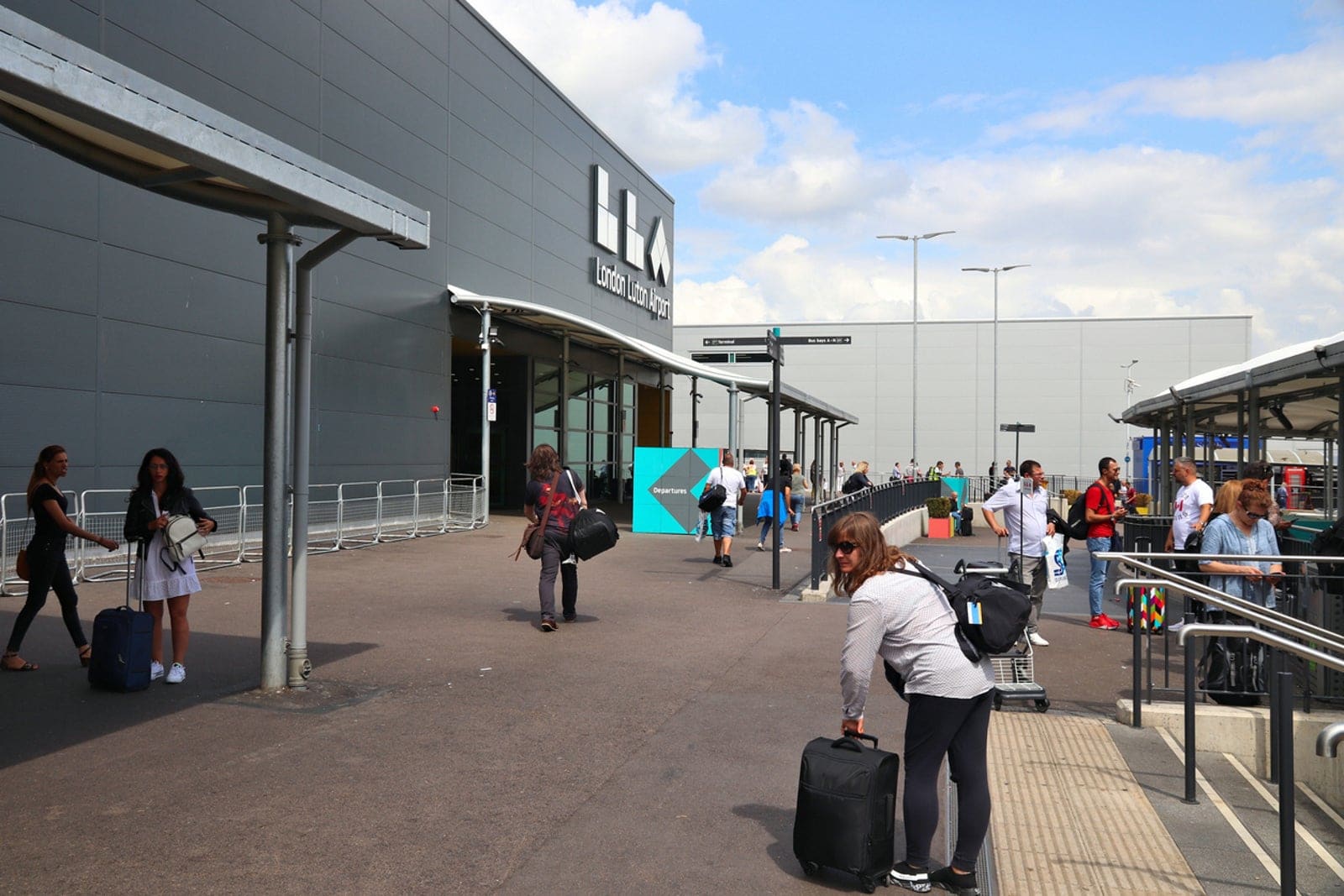
Getting someone to the airport just became more expensive. London Luton has raised its drop-off fee to £9 for 12 minutes, marking the second time in less than 12 months the airport has adjusted the charge upward. Last September, the fee jumped 40 per cent from £5 to £7 for a 10-minute window. The latest increase adds another 28 per cent to that bill, and drivers who linger beyond the allotted time face a £1-per-minute penalty, capped at 30 minutes total.
Payment must be completed online or by telephone before midnight the following day to avoid additional charges. The airport has positioned the fee as a way to push travellers toward public transport and keep traffic moving smoothly around the terminal. Passengers arriving or leaving in fully electric vehicles can access a reduced rate, though only when using Terminal Car Park 1.
For those willing to walk a bit farther, Luton offers two hours of free parking in its long-stay facility, effectively allowing drop-offs and pick-ups without charge if you factor in the shuttle or footpath to the terminal.
A National Pattern, Not an Outlier
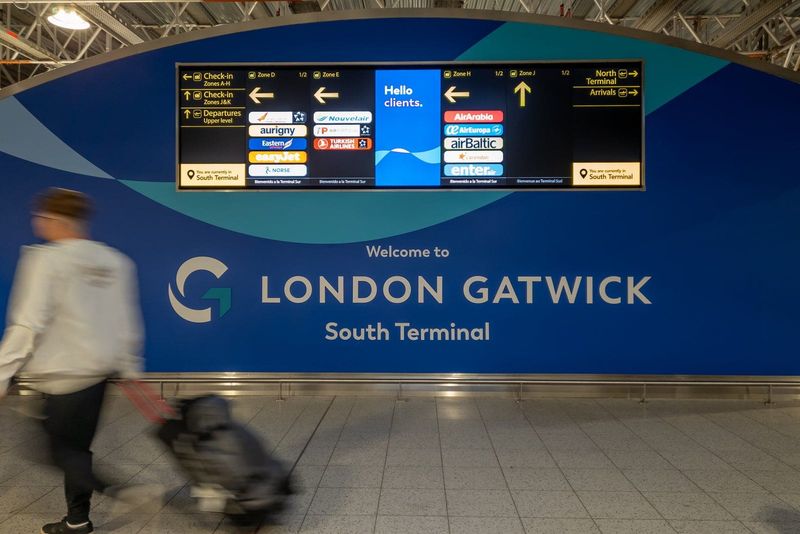
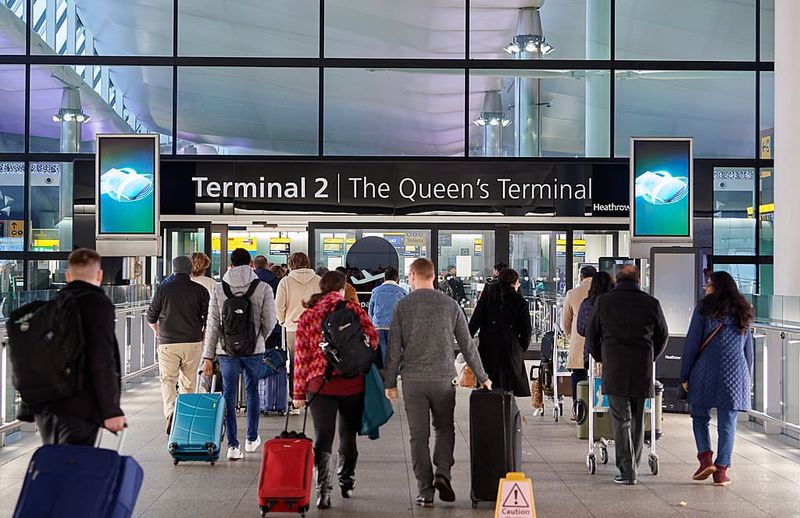
Luton is far from alone. Analysis by the RAC found that 16 of 20 surveyed UK airports have either introduced or raised drop-off charges in the past year, pushing the average cost up by roughly one-third. Gatwick and Stansted sit at the top of the pricing ladder, charging £10 for 10 minutes and £10 for 15 minutes respectively. The spread of these fees has turned what was once a quick kerb-side goodbye into a budgeted line item for many families.
The rationale airports cite is twofold: managing congestion in forecourt areas and encouraging modal shift. Yet the timing is telling. Passenger volumes have rebounded strongly since the pandemic trough, and airports are under pressure to manage infrastructure, staffing, and environmental commitments without the capital flexibility they once had. Drop-off fees offer a steady, predictable revenue stream that scales with traffic.
Critics argue the fees disproportionately affect those with less access to public transport or those travelling with young children, heavy luggage, or mobility constraints. A family of four heading out for a fortnight might reasonably drive to the airport, and the £9 charge becomes an unavoidable surcharge on top of flights, baggage fees, and parking at the destination.
The Push Toward Public Transport
Luton made a concerted effort this past summer to shift the balance. In August, the airport offered free bus travel to and from the terminal, timed to coincide with what it described as its busiest summer on record. The initiative was framed as both a convenience and an environmental measure, reducing car trips during peak periods.
Whether that kind of promotion can stick depends on how well the alternative transport links hold up under sustained demand. Luton is served by a dedicated shuttle bus to the railway station, and onward rail connections to central London take around 30 to 40 minutes. For passengers living along those corridors, the train is a viable option. For those in outer suburbs or regions with patchy public transport, the car remains the default, and the drop-off fee becomes a penalty without a practical alternative.
Electric vehicle owners get a modest break, but only if they use the designated car park. It's a nudge rather than a wholesale incentive, and the discount structure suggests airports are testing how to layer environmental policy into pricing without alienating the majority of drivers who still rely on petrol or diesel vehicles.
What This Means for Travellers
The immediate impact is straightforward: getting to the airport costs more if someone is driving you. For occasional travellers, an extra few pounds may not register. For frequent flyers, or for those who rely on family drop-offs because of early or late flight times, the cumulative cost adds up. A dozen trips a year at £9 each is over £100, enough to make train or coach travel look more attractive, assuming those options exist and align with flight schedules.
The broader question is whether these fees succeed in changing behaviour or simply extract more revenue from captive users. Airports point to reduced dwell times and smoother traffic flow as evidence the charges work. Motoring groups counter that the fees are regressive and that genuine investment in public transport infrastructure would achieve the same goals without penalising drivers.
Luton's fee structure also introduces a time pressure that didn't exist before. Twelve minutes is tight if a flight is running late, if the terminal is busy, or if a passenger needs extra assistance getting out of the car and into the building. The per-minute overstay charge turns what should be a low-stress moment into a countdown.
Comparing the Landscape
Across Europe, airport drop-off charges vary widely. Some airports in Scandinavia and Germany have long had similar fees, often paired with robust rail links and integrated ticketing. In those contexts, the fee is part of a broader transport policy. In the UK, the rollout has been more piecemeal, with each airport setting its own rates and rules, leading to confusion and frustration among passengers who fly from multiple hubs.
Stansted and Gatwick, both major leisure gateways, have set their fees at the £10 mark, a threshold that feels psychologically significant. Luton's £9 charge sits just below that, but the shorter time allowance means the effective cost per minute is higher. Regional airports in the north of England and Scotland have generally been slower to adopt or increase these charges, though the trend is moving in that direction.
For budget carriers, which dominate traffic at airports like Luton, the drop-off fee is an awkward addition to the low-cost model. Passengers who book a £30 flight may baulk at a £9 fee just to reach the gate, especially when that fee isn't controlled by the airline and doesn't contribute to the ticket price they've shopped around for.
Looking Ahead
It's unlikely these fees will reverse. Once an airport has introduced a charge and built it into its revenue model, removing it becomes politically and financially difficult. The more plausible scenario is that fees continue to edge upward, particularly at busy airports where demand consistently outstrips forecourt capacity.
What remains to be seen is whether the public transport alternatives improve in tandem. If drop-off fees are genuinely about shifting modal share, then the quality, frequency, and affordability of buses and trains need to match the ambition. If they don't, the fees risk being seen as little more than a tax on access, with environmental and operational justifications that don't hold up under scrutiny.
For now, anyone planning to drop someone at Luton should factor in the £9, set a timer, and keep the goodbye brief.