Portugal Claims Continental Title
Portugal secured Europe's leading destination title at the 2026 World Travel Awards, alongside three regional prizes that underscore the breadth of its tourism offer. The results were announced on 17 October at a ceremony in Montenegro, where voting by industry professionals and travellers worldwide determined winners across hotels, airlines, attractions and destinations.
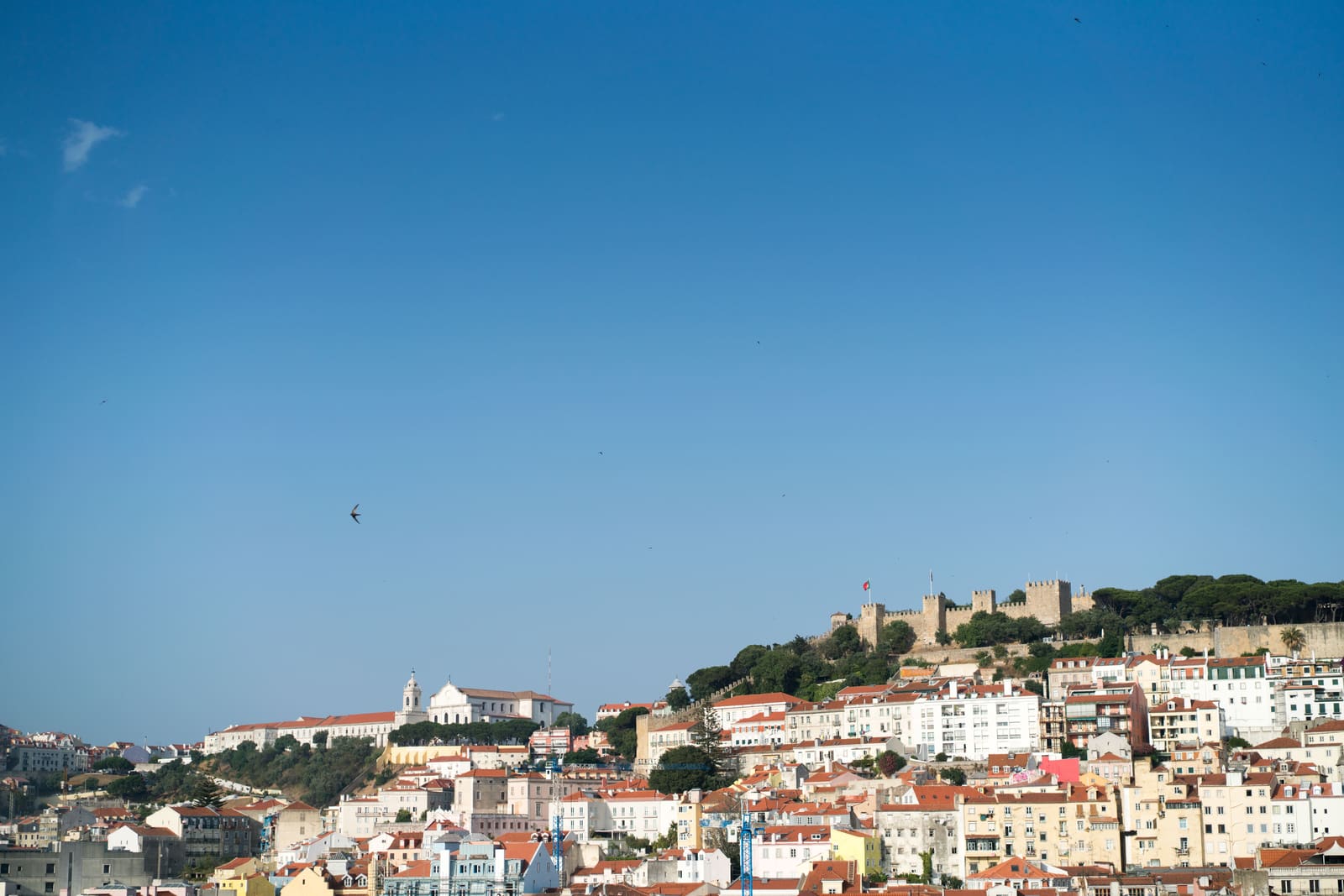
Lisbon won the city destination category, the Algarve took the beach title, and the Azores claimed the regional adventure tourism award. Visit Portugal, the country's official tourism board, also received recognition for its promotional work.
The national prize reflects Portugal's ability to appeal across segments. Coastal tourism remains a pillar, but the awards also acknowledged mountain landscapes, urban culture and dark-sky stargazing, a niche product gaining traction among visitors seeking alternatives to conventional sightseeing.
Regional Wins Span Coasts and Islands
The Algarve's beach destination award builds on consistent international visibility for its coastline. Praia da Falésia, one of the region's most photographed stretches of sand, appeared in TripAdvisor's 2025 rankings of Europe's top beaches, reinforcing the area's reputation among leisure travellers.
Lisbon's city prize positions the capital alongside Athens, which took the separate city break category. The distinction between the two awards is not publicly detailed by the organisers, but Lisbon's win highlights its pull for urban tourism, from historic quarters to riverfront redevelopments.
The Azores' adventure tourism recognition points to a different visitor profile. The Atlantic archipelago markets hiking, whale watching and volcanic landscapes, appealing to travellers drawn to outdoor activity rather than beach resorts. The category win may amplify the islands' profile in northern European markets, where adventure travel holds a steady share.
Dark Sky Alqueva, a certified stargazing reserve in southern Portugal, won the tourist attraction category. The site offers astrophotography workshops and night-time canoeing, part of a broader shift towards experience-led tourism that extends beyond daylight hours. The award reflects growing interest in astro-tourism, particularly in regions with low light pollution.
Montenegro Steps Into the Spotlight
Montenegro hosted the European ceremony for the first time in the awards' 33-year history, held at the Hyatt Regency Kotor Bay Resort. The choice of venue brought attention to a country that remains less visited than its Adriatic neighbours but is steadily building its tourism infrastructure.
Kotor won Europe's emerging tourism destination award, a category that recognises places gaining momentum without yet reaching peak visitor volumes. The town's Venetian-era old town, a UNESCO World Heritage site, sits at the base of steep coastal mountains, offering a compact historic centre that attracts cruise passengers and independent travellers alike.
Montenegro also claimed the nature destination title, a nod to its national parks, including Durmitor, home to the Tara River Canyon, one of Europe's deepest gorges. The dual recognition suggests the country is positioning itself across heritage and outdoor tourism, though infrastructure gaps and seasonal demand remain challenges.
Three Montenegrin hotels took national awards: Hyatt Regency Kotor Bay Resort, Merit Starlit Hotel & Residence & Casino, and Villa Geba Boutique Hotel. The property-level wins indicate investment in hospitality, though the country's accommodation stock remains modest compared to Croatia or Greece.
Airlines, Conference Venues and Theme Parks
Turkish Airlines received Europe's leading airline award, continuing a run of recognition that aligns with the carrier's network expansion and Istanbul's role as a connecting hub between Europe, Asia and the Middle East.
Madrid won the meetings and conference destination category, with The Convention Centre Dublin taking the venue prize. Business tourism remains a significant segment, particularly for cities seeking year-round demand beyond leisure peaks. Cannes secured the festival and event destination award, a category where competition centres on established players with purpose-built infrastructure.
Disneyland Paris took the theme park resort title, while Dubrovnik claimed the seaside metropolitan destination category. Both wins reflect sustained visitor interest in well-known products, though Dubrovnik continues to grapple with overtourism pressures during summer months, a tension the award does not address.
What the Awards Measure
The World Travel Awards, established in 1993, aggregate votes from tourism professionals and travellers. The methodology is not independently audited, and the awards have faced criticism over the years for a perceived emphasis on marketing reach rather than objective metrics such as visitor satisfaction or sustainability performance.
Still, the titles carry weight in destination marketing. Portugal's national win, combined with four regional awards, offers material for promotional campaigns and media coverage, particularly in markets where the country competes with Spain, Italy and Greece for leisure bookings.
Visit Portugal described the results as validation of a strategy focused on quality, diversity and innovation. The rhetoric is standard for tourism boards, but the spread of awards across beach, city, adventure and niche products does suggest a portfolio approach rather than reliance on a single asset.
The Montenegro ceremony closed the regional leg of the World Travel Awards Grand Tour 2026, which included earlier events in Zanzibar, Dubai, the Maldives and Jamaica. A final global ceremony is scheduled in Tanzania, where continental winners will compete for worldwide titles.
A Snapshot, Not a Forecast
Awards offer a moment of recognition, not a blueprint for future performance. Portugal's wins reflect current visibility and voter sentiment, but they do not insulate the country from challenges such as housing shortages linked to short-term rentals, water scarcity in the Algarve, or the need to balance visitor numbers with resident quality of life.
Montenegro's emergence as a host and double winner signals ambition, but the country's tourism sector remains in an earlier phase of development. Infrastructure, airlift and year-round programming will determine whether recognition translates into sustained growth.
For travellers, the awards function as one data point among many. Portugal's range of wins confirms the country's established place in European tourism. Whether that translates into a trip depends on factors the awards do not capture: flight prices, accommodation costs, seasonal weather and the experience of navigating a destination once the ceremony lights go down.