Closed, Then Open, Then Closed Again
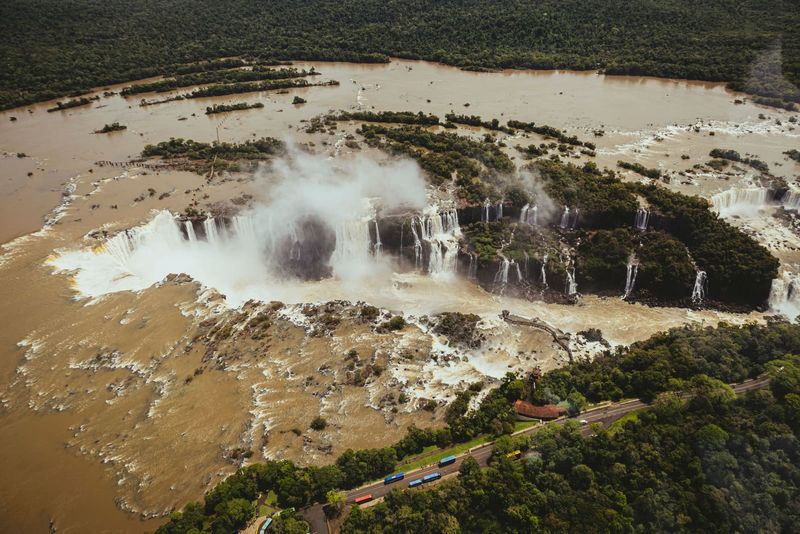
On 12 October authorities barred visitors from the Upper and Lower circuits at Argentina's Iguazu National Park after the river surged past 12,000 cubic metres per second. The next day flows eased enough to reopen. By that afternoon they had climbed again, and the park announced fresh restrictions for Wednesday 14 October.
The sequence underscores a simple truth: when nature moves fast, plans follow. The Iguazu River's flow hit 12,880 cubic metres per second at its peak, more than six times the historical average of around 1,750. That volume submerges walkways, generates dangerous spray and turns viewing platforms into precarious perches. Argentina's park administration uses 11,000 cubic metres per second as the cut-off for safe access to the waterfall circuits.
Visitors arriving on Wednesday found the national park open but the main attractions off limits. The Yvyrá Retá visitor centre, Ecological Jungle Train and Territorio Yaguareté wildlife area remained available, alongside cafés and shops. Entrance fees stayed the same. For many who travelled specifically to see the falls, the distinction offered little consolation.
A Threshold Written in Water
The 11,000-cubic-metre trigger is not arbitrary. Iguazu spans nearly 2.7 kilometres along the border with Brazil, splitting into more than 270 individual cascades during normal flows. When the river swells, those cascades merge into a roaring curtain that drowns pathways and sends mist hundreds of metres into the air. The Devil's Throat, a U-shaped chasm that swallows the largest single volume of water, becomes especially volatile.
Park director José María Hervás pointed to two factors: persistent rainfall across the watershed and controlled releases from upstream dams, which regulate flow but cannot eliminate it. Both combined to keep the river above safe levels longer than initial forecasts suggested.
Argentina removed Devil's Throat walkways in August 2026 as a preventive measure after earlier El Niño episodes damaged infrastructure in 2023 and 2024. Those closures lasted weeks. The current restrictions are shorter but no less disruptive for visitors whose itineraries hinge on a single day at the falls.
What Travellers Arrive To
The park's statement advised people to check official channels before visiting. That advice is harder to follow than it sounds. Tour operators often finalise group schedules days in advance. Independent travellers crossing from Brazil or flying into Puerto Iguazú may have little flexibility to reschedule. Hotel cancellations in the surrounding area are typically non-refundable within 48 hours.
The result is a gamble. Some visitors arrive hoping the river will drop overnight. Others cut their losses and focus on the Brazilian side, where higher elevation keeps certain viewpoints accessible longer. Neither option delivers the full experience that drew them to the region.
Insurance adds another layer of complexity. Policies differ on whether a partial closure, known-risk weather event or access to alternative park facilities constitutes grounds for a claim. Travellers who booked after El Niño forecasts were published in mid-2026 may find weather exclusions already in place.
Beyond the Park Gates
Iguazu National Park has held UNESCO World Heritage status since 1984, recognised for both its geological drama and its role as a biodiversity refuge. The subtropical forest surrounding the falls shelters threatened species including jaguars, giant otters and harpy eagles. Argentina's park covers 67,620 hectares; Brazil's Iguaçu National Park, inscribed separately in 1986, adds another 170,086.
That ecological significance means closures serve a dual purpose. Visitor safety is the immediate concern, but high water also stresses wildlife, erodes trails and destabilises riverbanks. Restricting access gives both infrastructure and habitat time to recover.
The broader region is feeling the pressure. Dozens of residents along the Uruguay River, which forms part of the Argentina-Uruguay border, evacuated homes in Concordia and Paso de los Libres as water levels rose. The same weather system driving rainfall at Iguazu is affecting communities across Mesopotamia, Argentina's wedge of land between the Paraná and Uruguay rivers.
El Niño's Fingerprints
El Niño refers to warming in the tropical Pacific that shifts atmospheric circulation and rainfall patterns across continents. Its effects are probabilistic rather than deterministic: southern Brazil and northern Argentina typically see wetter conditions, but the timing, intensity and duration vary.
Forecasters identified a moderate to strong El Niño event developing in mid-2026. That increased the likelihood of above-average rainfall in the Iguazu watershed but did not guarantee specific flood dates. Weather systems still depend on local factors such as soil saturation, dam management and the speed at which storms move through.
For travellers the practical implication is clear: flexible bookings matter more during El Niño years. That means choosing accommodations with lenient cancellation policies, building buffer days into itineraries and accepting that backup plans may cost extra. It also means reading insurance terms closely, especially exclusions tied to known climate events.
What Open Means
The Iguazu closures illustrate a broader challenge in destination management. An open park is not the same as full access. Visitors may find certain circuits, viewing platforms or boat excursions unavailable even when entrance gates remain staffed. Refunds are rare; partial closures typically fall outside standard compensation frameworks.
Tour operators face the same friction. Group itineraries often bundle Iguazu with other stops in a fixed sequence. A two-day closure can cascade into missed connections, additional accommodation costs and passenger dissatisfaction. Some operators now include wet-season disclaimers in their terms, shifting risk to travellers.
The stop-start pattern at Iguazu also highlights the limits of real-time information. River flows change faster than websites update. A morning announcement may be obsolete by afternoon. Travellers relying on social media or park hotlines still face uncertainty until they reach the entrance.
Planning Around Uncertainty
Iguazu's rainfall is seasonal but variable. November through March typically brings the highest flows, while July and August see the river at its lowest. El Niño shifts those probabilities without erasing them. A January visit carries higher flood risk in an El Niño year, but dry spells still occur. An August visit is safer on average but not immune to surprise.
The park's protocol offers a useful model. Authorities set a clear threshold, monitor conditions continuously and communicate changes through multiple channels. That approach cannot prevent closures, but it reduces ambiguity. Visitors know the benchmark and can track river data themselves if they choose.
For destinations facing similar volatility, transparency around thresholds, backup options and refund policies is increasingly necessary. Travellers accustomed to guaranteed access are learning that some places operate on nature's schedule, not theirs. Iguazu's waterfalls will outlast any closure. Whether a traveller's plans survive the same rainfall is another question.