A Compact Country with Outsized Attractions
Guatemala is the largest country in Central America by population, yet it remains less visited than Costa Rica or Mexico's Yucatán Peninsula. That gap is narrowing. The country offers a mix of pre-Columbian archaeology, Spanish colonial heritage, and indigenous culture that few neighbouring destinations can match in such a concentrated area.
The logistics are straightforward. Guatemala City's international airport sits about an hour from Antigua, the colonial hub that anchors most itineraries. From there, the main cultural sites - Lake Atitlán, Chichicastenango, and the northern jungle ruins - are accessible by road or short domestic flight. The country has Caribbean and Pacific coasts, though most visitors prioritise the highlands and the Petén region.
Antigua's Colonial Core and Earthquake Legacy
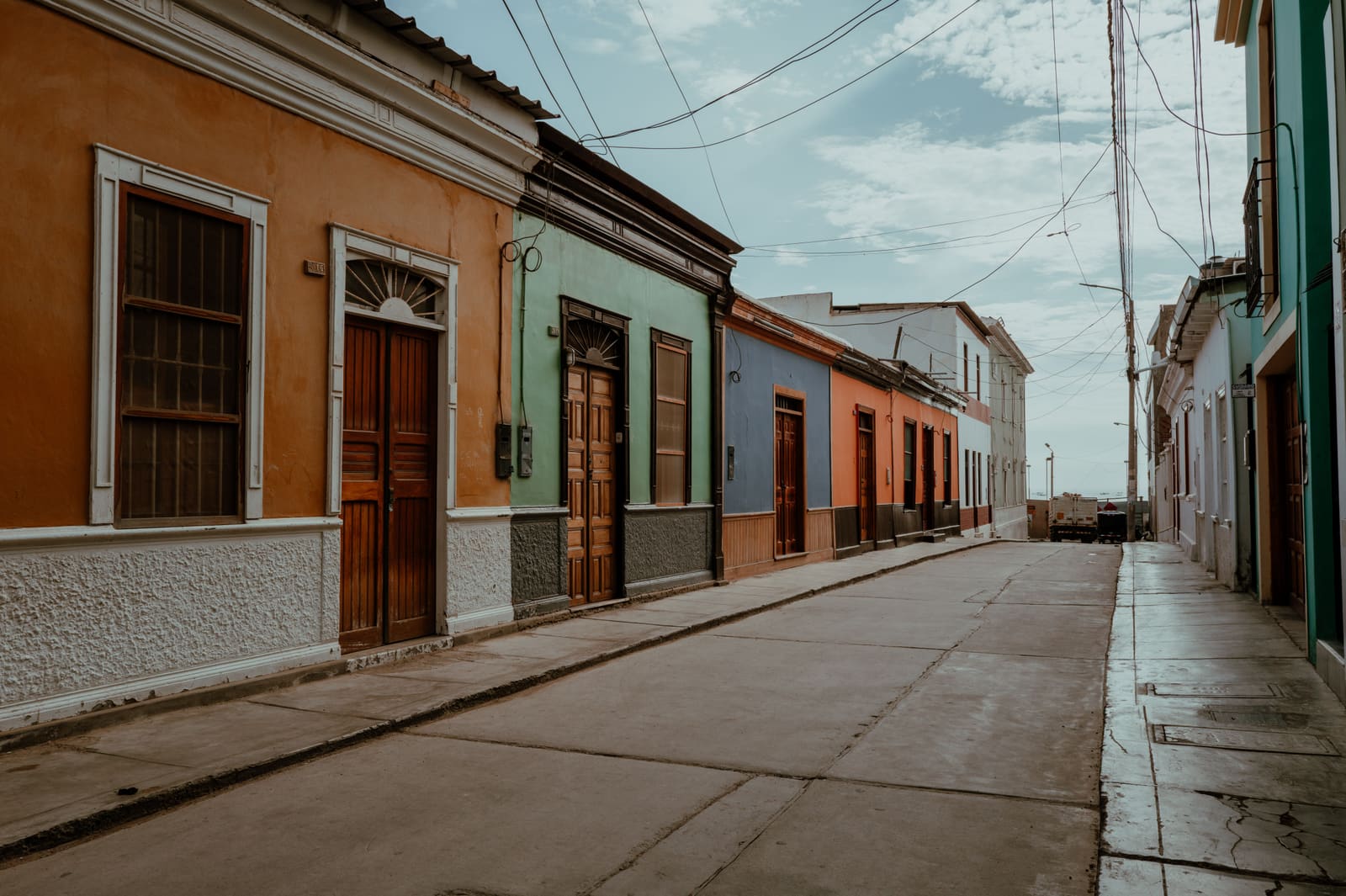
Antigua Guatemala has held UNESCO World Heritage status since 1979. The historic centre is built around Spanish colonial architecture in shades of powder blue, terracotta, and yellow, much of it reconstructed or preserved after the 1773 Santa Marta earthquake destroyed large sections of the city.
The streets are cobblestoned and narrow, designed for foot traffic rather than vehicles. Former Dominican monasteries, now partially in ruins, are open to visitors. The Mesoamerican Jade Museum displays carved jade objects that trace back to pre-Columbian times. Local textile vendors sell fabrics woven by indigenous women from surrounding communities, a craft tradition that predates Spanish colonisation.
Antigua serves as a base for acclimatisation and a first exposure to Guatemalan food, which blends Spanish, Caribbean, and Maya influences. The town has a range of dining options, from street vendors selling stuffed peppers to sit-down restaurants offering pepián, a thick stew of spiced meat served with rice and maize tortillas.
Lake Atitlán and Indigenous Craft Workshops
Lake Atitlán, roughly two hours west of Antigua, is ringed by three volcanoes and a series of small towns inhabited largely by Tz'utujil and Kaqchikel Maya communities. The lake sits at an altitude of around 1,500 metres, which keeps temperatures moderate year-round.
Visitors come for hiking and kayaking, but the lake has also become a hub for cultural immersion activities. Weaving workshops led by local artisans teach traditional backstrap loom techniques. Herbalists offer plant identification walks. Cacao roasting and grinding sessions demonstrate how chocolate is processed at a small scale - Guatemala is widely recognised as one of the birthplaces of cacao cultivation.
These activities are typically organised through community co-operatives or small tour operators based in the lakeside towns. They provide income to indigenous families while giving travellers a closer look at practices that have been passed down for generations.
Chichicastenango's Thursday and Sunday Markets
Chichicastenango, a highland town north of Lake Atitlán, hosts one of Central America's largest indigenous markets twice a week. On Thursdays and Sundays, vendors from surrounding villages bring handcrafted masks, incense, woodcarvings, and huipiles - the embroidered blouses worn by Maya women - to sell in open-air stalls.
The market draws both local shoppers and international visitors. Prices are negotiable, and the variety is broad: ceremonial masks, woven textiles, copal incense, and carved wooden saints. The town itself has a pair of colonial churches, Santo Tomás and El Calvario, where Catholic and Maya rituals often overlap.
The market economy supports rural artisans who might otherwise lack access to urban buyers. It also reflects the persistence of indigenous identity in a country where more than 40 per cent of the population identifies as Maya.
Tikal and the Petén Biosphere Reserve
The Petén region in northern Guatemala is largely jungle. The Maya Biosphere Reserve, established in 1990, covers more than two million hectares and is home to jaguars, pumas, and hundreds of tree species. Scattered throughout the reserve are the remains of ancient Maya cities.
Tikal is the most significant. The site was a major political and ceremonial centre between the 3rd and 9th centuries, with a population that may have reached 100,000 at its height. The ruins include steep pyramids, plazas, and carved stelae. Temple IV, the tallest structure, rises more than 60 metres above the jungle floor.
Tikal was designated a UNESCO World Heritage Site in 1979, one of the first mixed cultural and natural properties on the list. The site is well-maintained, with marked trails and interpretive signage. Early morning visits offer the best chance to see wildlife and avoid afternoon heat.
Flores and Petén Itzá's Island Setting
Flores, the gateway town for Tikal, sits on an island in Lake Petén Itzá. The town is small and densely built, with pastel-coloured buildings and narrow streets that loop around the island's perimeter. Restaurants with lakeside views serve grilled fish, tamales, and regional dishes that reflect the area's mix of Maya and mestizo traditions.
Flores functions as a logistical hub rather than a primary attraction, but its setting makes it a pleasant place to spend an evening. The town is connected to the mainland by a causeway, and the lake itself is warm enough for swimming year-round.
Food, Chocolate, and Expanding Access
Guatemala's food scene has diversified in recent years. Guatemala City now has a handful of fine-dining restaurants that focus on regional ingredients and indigenous cooking techniques, alongside traditional comedores serving stews, beans, and handmade tortillas.
Chocolate remains central to Guatemalan identity. Small-scale producers in Antigua, Lake Atitlán, and other areas offer tastings of single-origin bars made from locally grown cacao. The process - fermentation, roasting, grinding - is often demonstrated to visitors.
Flight access has improved. Direct routes from Europe to Guatemala City are limited, but connections through Madrid, Mexico City, Miami, and other hubs have become more frequent. The country's compact size means that even a week-long trip can cover multiple regions without excessive travel time.
What It Means for Travellers
Guatemala offers an alternative to the well-trodden circuits of Cancún, Costa Rica, and Panama. The trade-off is infrastructure that's less polished in rural areas and a history of political instability that still shapes perceptions. Crime rates in Guatemala City remain high, though tourist areas like Antigua and Lake Atitlán are generally considered safe with standard precautions.
The country's appeal lies in its density of cultural and natural attractions within a manageable geography. For travellers interested in archaeology, colonial history, or indigenous craft traditions, Guatemala provides access to all three without requiring long-haul domestic flights or multi-week itineraries. Whether that's enough to shift it from niche to mainstream remains to be seen, but the groundwork is in place.