A Capital Smaller Than Most Neighbourhoods
Victoria occupies less than three square kilometres at the centre of Gozo, Malta's second island. The town's 7,500 residents make it one of Europe's smallest capitals, yet it has been designated European Capital of Culture for 2031. The selection places Victoria alongside previous holders including Valletta, Liverpool, Paris and Prague.
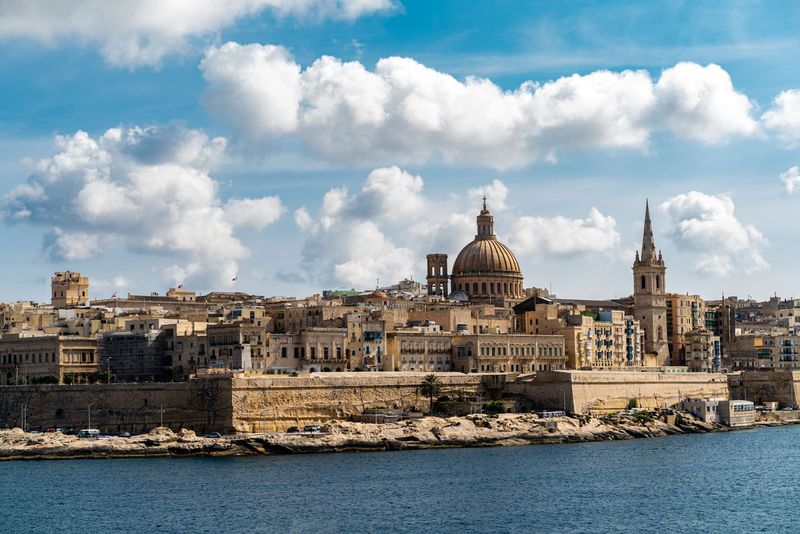
The designation is not unprecedented for Malta. Valletta, the nation's capital with 7,000 residents and less than one square kilometre of land, held the title in 2018. Both towns demonstrate that cultural significance does not require metropolitan scale.
The town is known locally as Rabat. The name Victoria, given in 1897 for Queen Victoria's golden jubilee, has not entirely displaced the older designation among residents.
Two Parishes, One Town
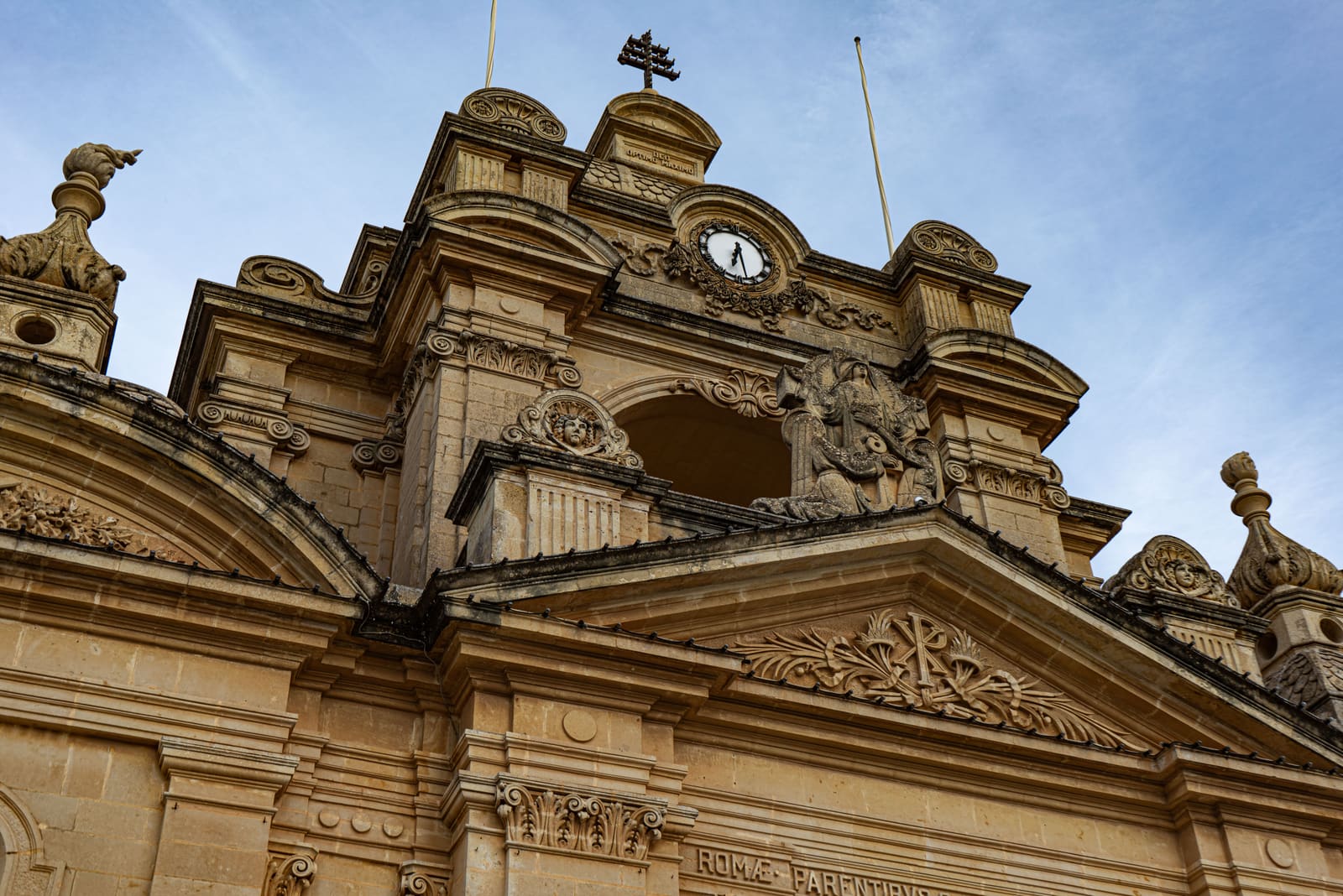
Victoria's defining characteristic is its division into two parishes, St Mary's and St George's. The split follows choice rather than geography. St Mary's centres on the cathedral inside the Citadel, complete with a trompe-l'œil dome. St George's baroque basilica sits in a square behind It-Tokk, the main meeting place.
The rivalry shapes cultural life. Each parish operates its own theatre, Astra and Aurora, located almost opposite each other. Each theatre houses a resident wind band, produces operas in spring and autumn, and runs a month-long classical music festival. The annual festa for each parish involves processions of church statues carried by eight men, marching bands, food stalls and locally made fireworks. Horse racing runs along the main street during celebrations.
Brian Azzopardi, Victoria's mayor, describes the competition as positive. He argues it raises both cultural quality and output. Parish allegiance extends to beach habits, with parishioners reportedly favouring different sections of local coastline.
Bronze Age Fortifications and Medieval Streets
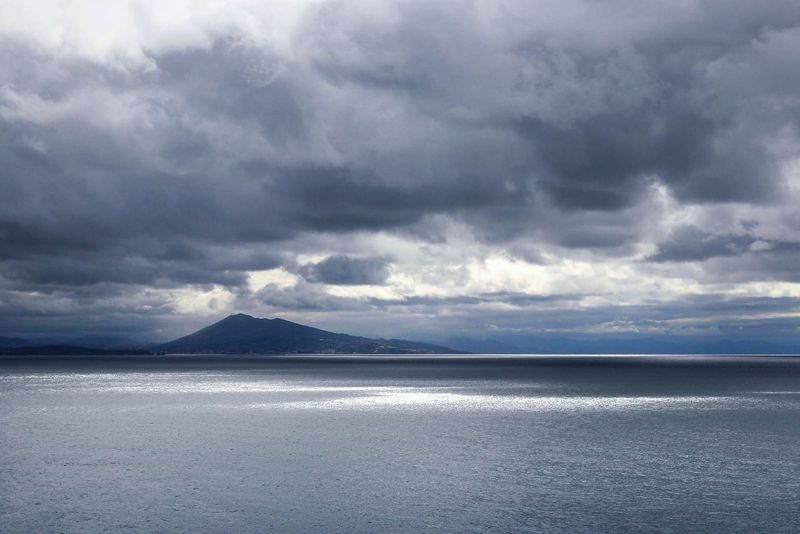
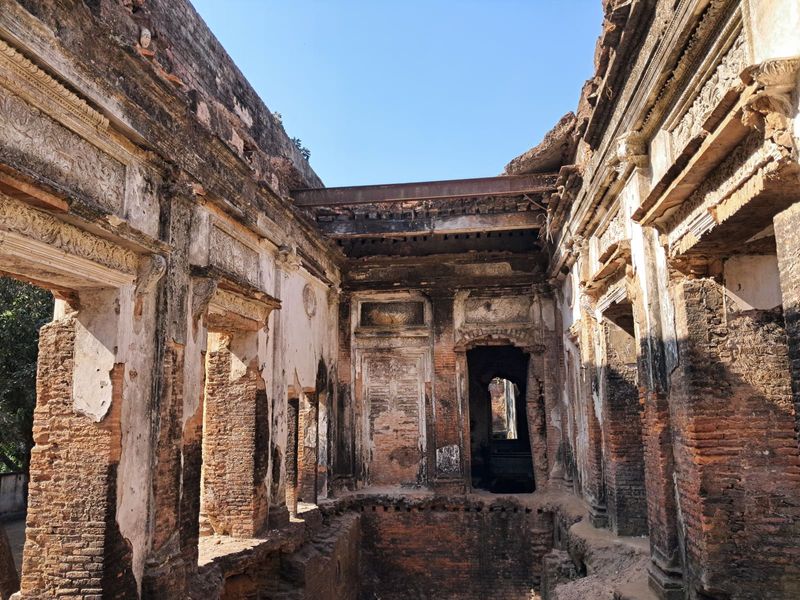
The Citadel rises on honey-coloured limestone, fortified since the Bronze Age. Romans, Arabs, medieval Christians, the Knights of St John and British colonial administrators occupied it successively. The bastion walls offer views across flat-topped hills, valleys and villages marked by oversized churches, all surrounded by the Mediterranean.
Below the Citadel, narrow medieval streets host working artisans. Traditional weavers and lacemakers occupy doorways along Triq Palma and Triq Santa Marija. Colourful enclosed wooden balconies, called gallariji, overhang the alleys.
The Citadel museums include an Old Prison with graffiti of crosses, calendars and boats, and the Gran Castello Historic House, the oldest building within the fortifications. A blue door opposite the museum leads to a dairy where sheep and goat milk from a farm two miles away is turned into gbejna, a small round Gozitan cheese.
Temples Older Than Stonehenge
Fifteen minutes by road from Victoria, the Xaghra plateau holds the Ggantija Temples. The megalithic structures were built in the mid-fourth millennium BC, predating the Great Pyramids. The six-metre facade prompted locals to name the site Ggantija, meaning "giants" in reference to the scale of construction.
The temples hold UNESCO World Heritage status. The visitors' centre displays reconstructed figures from the temple period and artefacts including carved peg men, human heads and pottery inscribed with images of lapwings. Gozo also claims to be Homer's Isle of Calypso, with the sea nymph's cave said to sit above Ramla Beach, a site suggested as the arrival point for early settlers from Sicily.
Overtourism Concerns and Day-Tripper Patterns
Resident opinion on the Capital of Culture designation divides between economic hope and overtourism anxiety. Currently, 90 per cent of foreign visitors come to Gozo for the day. They concentrate in the same locations at the same time, creating pressure on infrastructure and local life.
The mayor hopes the designation will bring lasting cultural investment and civic pride. A new Gozo Museum displaying artefacts and a Roman quarry is scheduled to open in 2027. The Capital of Culture programme covers the entire island, not just Victoria.
Access to Gozo requires a ferry from Malta. The Gozo Fast Ferry from Valletta takes 45 minutes and costs €7.50 each way, rising to €10.50 in 2027. The Gozo Channel car ferry from Cirkewwa takes 25 minutes and costs €4.65, rising to €11 in 2027. Both ferries arrive at Mgarr Harbour, where buses run hourly to Victoria.
Coastal Walks and Michelin Guide Dining
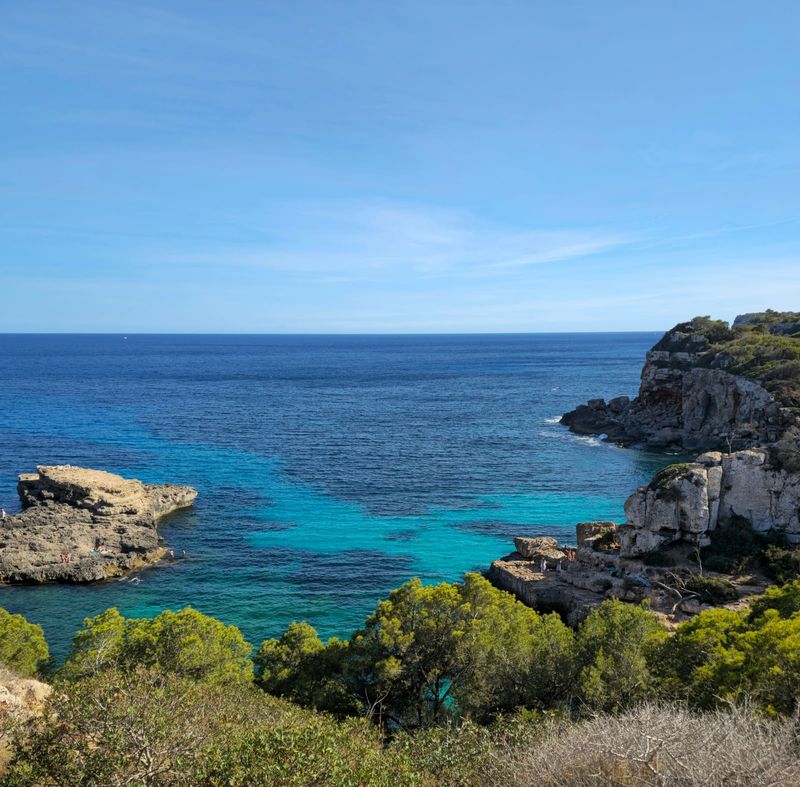
Beyond the Citadel and temples, Gozo offers beaches and coastal walking routes. Xlendi Bay sits a 30-minute walk from Victoria, providing swimming access and sunbathing on rocks. Michelin Guide restaurants operate on the island, alongside local wine producers and craft breweries.
The concentration of cultural infrastructure in a town of 7,500 reflects centuries of investment and parish competition. Whether the 2031 designation accelerates tourism beyond the island's capacity or strengthens its cultural institutions will depend on how visitors and authorities manage the next four years.