Oil Reaches Tourist Shores
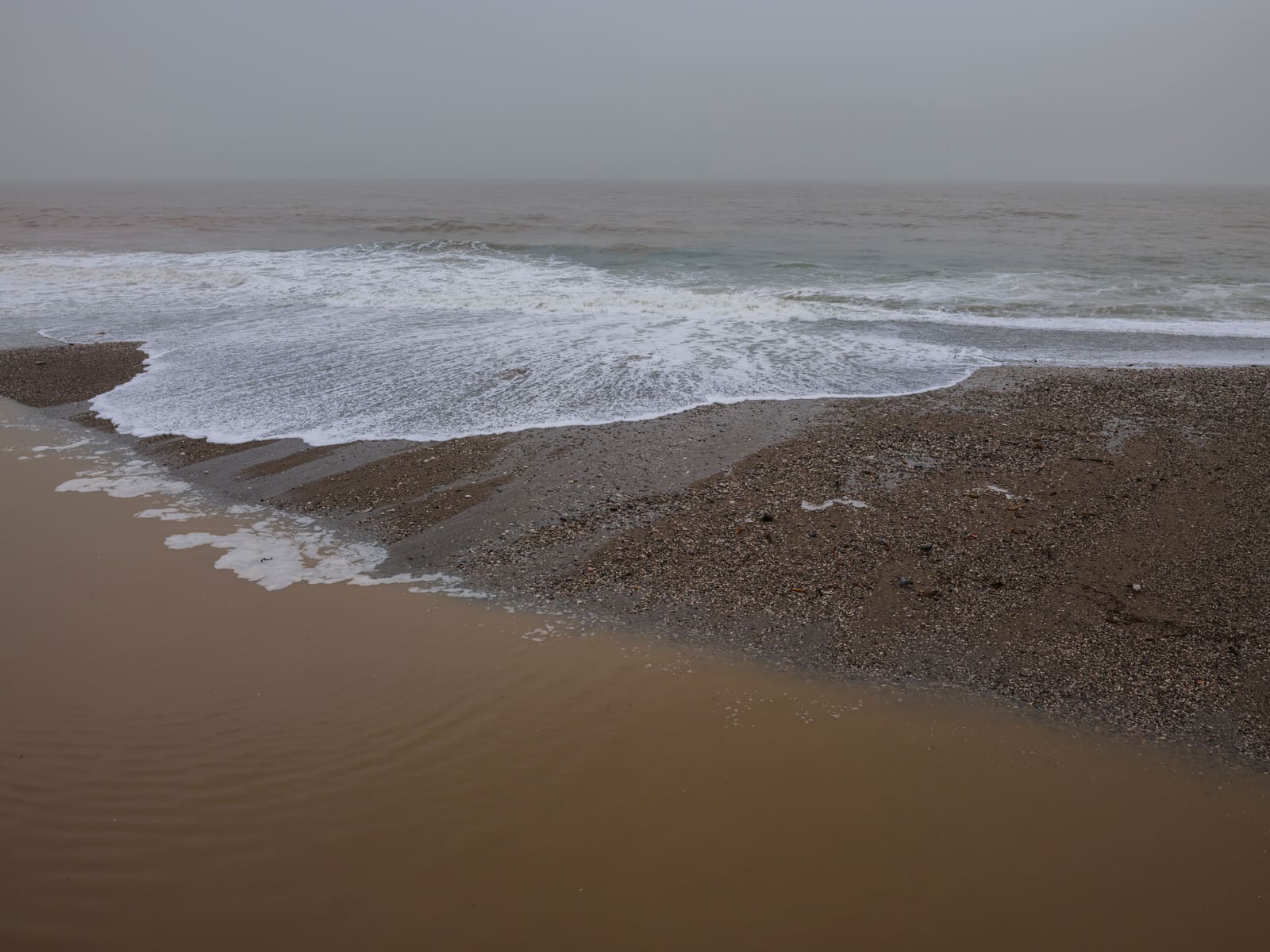
Oil from tankers struck in the Strait of Hormuz is now washing onto beaches in the United Arab Emirates and Oman, threatening dive sites and closing stretches of coast that have until now remained open to visitors. The spills add an environmental layer to a tourism downturn across the Gulf that has lasted nine months, since conflict in the waterway began in late February.
More than 600 oil spills have been identified in and around the Gulf since 28 February, according to data released by Greenpeace and maritime tracking firm Kpler. The environmental group counted more than 160 attacks on oil tankers during that period, with some resulting in spills. An interactive map of the data shows slicks along much of the UAE's Gulf coast, through the strait and down Oman's coast as far as Muscat.
Beach access on the UAE's east coast and northern emirates now depends on local notices that can change with each tanker strike. Dubai and Abu Dhabi's main tourist beaches have not yet been affected by the spills, but the pattern of closures elsewhere shows how quickly conditions can shift.
Tourism Numbers Already Falling
Hotel occupancy in Dubai fell to 68.4 per cent in October, down 16.5 percentage points from 84.9 per cent a year earlier, according to CoStar's STR. That drop reflects a broader pullback in Gulf tourism that predates the oil spills themselves. The uncertainty around travel to the region, combined with the risk of disrupted flights and now the environmental damage, has compounded the decline.
For Oman, the threat is particularly acute at dive sites that draw international visitors. The country's coastline along the Gulf of Oman has built a reputation for coral reefs and marine life, and oil reaching those areas puts that appeal at risk. Dive operators and tour companies that depend on clean water now face the possibility of extended closures if slicks continue to drift south.
What the Spills Mean for Travellers
The practical effect for anyone planning a trip to the UAE or Oman is that beach access is no longer a given. Local authorities are issuing notices as conditions change, and what is open one week may be closed the next. That makes it harder to plan coastal holidays with confidence, especially for families or groups booking months in advance.
The environmental damage also raises questions about how long it will take for affected beaches to recover. Oil on sand and in shallow water can persist for weeks or months, even after the visible slick has been cleaned up. That means some stretches of coast may remain off-limits well beyond the immediate crisis.
The spills have not yet reached the main tourist infrastructure in Dubai or the resorts along Abu Dhabi's western coast, but the risk is present. The pattern of attacks and the direction of currents mean that no part of the UAE's coastline is entirely insulated from the problem.
A Wider Gulf Problem
The data from Greenpeace and Kpler shows that the spills are not confined to a single incident or a narrow stretch of water. The 600-plus spills identified since late February are spread across the Gulf, the Strait of Hormuz and down the coast of Oman, indicating a problem that affects the entire region.
For the Gulf's tourism industry, already struggling with a nine-month downturn, the oil spills represent a new and visible risk. Travellers who might have been willing to navigate the uncertainty of the conflict itself now face the added concern of environmental damage that affects the experience on the ground. That combination is likely to weigh on bookings for the coming months, particularly for beach and marine tourism.
The situation remains fluid, with new attacks and new spills reported regularly. Until the pattern changes, the Gulf's coastline will continue to carry a level of risk that was not part of the calculation for travellers a year ago.