A Different Kind of Balearic Island
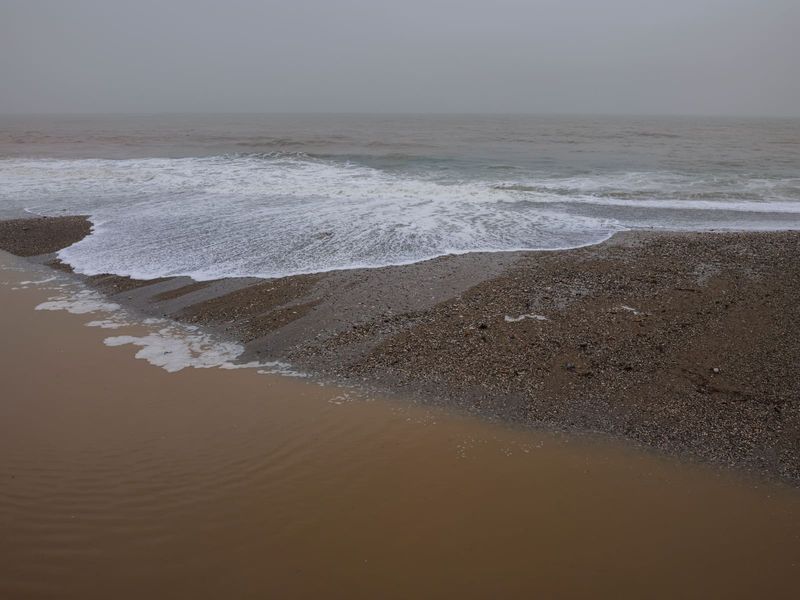
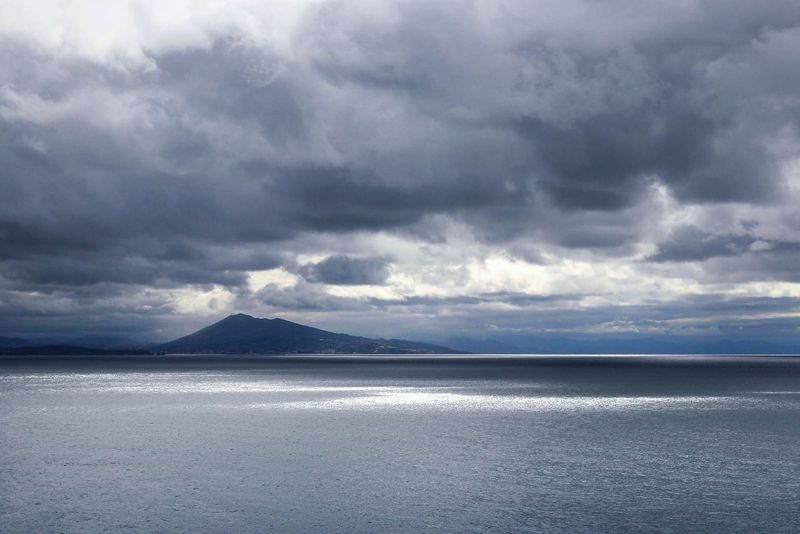
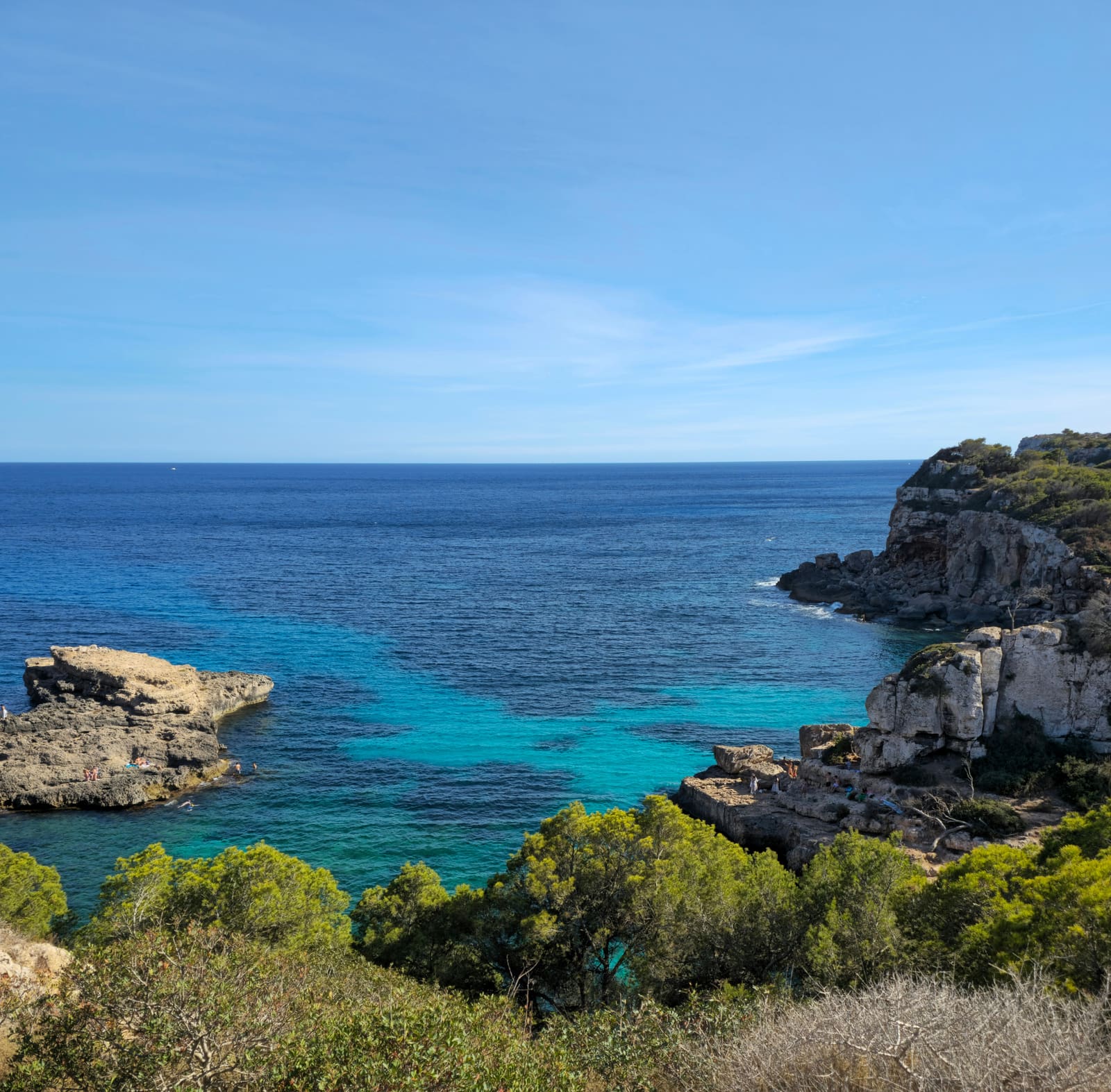
Menorca's beaches look nothing like its neighbours'. Clear water, white sand, no loungers, no music, almost no people. The smallest of Spain's three main Balearic islands has stayed that way partly by design. Designated a UNESCO Biosphere Reserve, Menorca faces restrictions on high-rise development and protections for its marine life. The result is an island that feels more like countryside punctuated by coves than a resort destination.
The numbers tell the story. In 2025, Mallorca welcomed 13.5 million visitors, while Ibiza and Formentera combined drew 3.7 million. Menorca saw 1.7 million. That gap has kept much of the island's 185-kilometre coastline quiet, though locals now say September feels busier than it used to.
Hospitality Groups Arrive
A wave of boutique hotel openings is changing the island's accommodation landscape. The Experimental Group opened Menorca Experimental in 2023, converting a 19th-century finca into a 34-room property with a spa and destination restaurant. The Vestige Collection has taken on abandoned manor houses and fincas, turning them into sustainability-focused hotels including Vestige Son Vell, Son Ermità and the recently opened Binidufà.
Agrotourism estates are multiplying. Amagatay, a rural farmstead in the south, now runs one of the island's most talked-about restaurants. Morvedra Nou, on the north side, has converted former farm buildings and stables into guest rooms surrounded by olive groves and vegetable gardens. Both properties grow produce for their kitchens and keep facilities minimal: a pool, a gym, open space.
The approach reflects what brings people to Menorca in the first place. Visitors come to hike, cycle, ride horses or sit still among the trees, not to lounge at a sprawling spa complex.
Farm-to-Table Dining and Wine
The island's restaurant scene leans heavily on what grows nearby. Olive oil is a staple, rich and regional, produced from the groves that cover much of Menorca's interior. Wine has a quieter profile but a longer history. Vines have been cultivated here since Roman times, and local wines earned protected geographical indication status in 2002. Nine artisanal wineries now operate across the island, including Bodegas Binifadet, which hosts group tastings and serves dinner.
Restaurants like Nonna Bazaar draw the Instagram crowd, while Coral, perched above the rocky north coast, offers sunset views over the Mediterranean. Even the beach bars fit the landscape. Bucaneros, housed in a 1960s white-stone fishing hut with a red door at Playa de Binibeca, has become a local drinking spot. Bar Som Sis, a family-run hilltop hut at Cala Binidalí, serves fresh seafood and local beer.
Walking the Camí de Cavalls
The best way to see Menorca's protected coastline is on foot or by bike. The Camí de Cavalls, a historic 185-kilometre trail that circles the island, links beaches and coves that are hard to reach by car. The path between Cala en Turqueta and Macarella winds through pine forest with occasional views of the water below. On a recent walk along that stretch, the trail was nearly empty.
The absence of development is deliberate and visible. No high-rise hotels break the skyline. The beaches remain beautiful partly because there is so little around them.
Art and History in the Towns
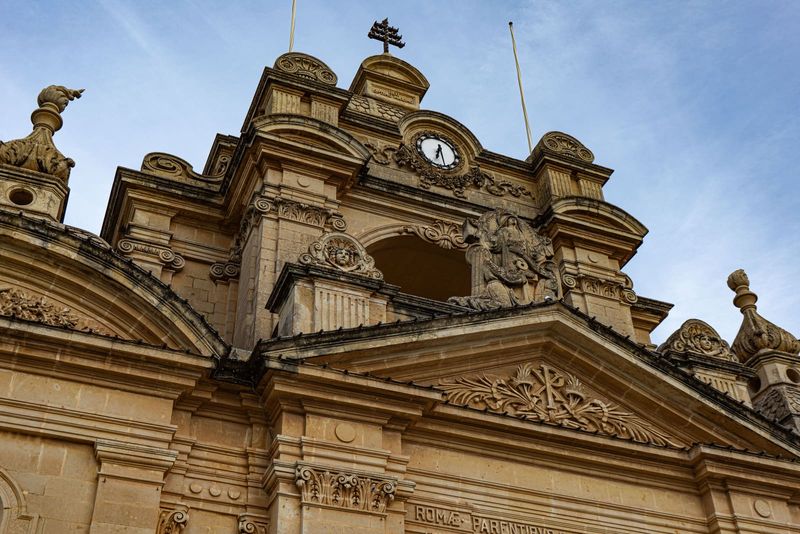
Menorca's two main towns offer more than rural seclusion. Ciutadella, the historic port town on the west side, preserves medieval streets and grand palaces from its time as the island's political capital. Roman rule, Islamic and Christian conquests, and centuries of European rivalry have all left their mark. Today, the town's harbour, food scene and local markets make it a livelier base than the countryside estates.
Mahón, the capital on the east side, was a British military and naval base in the 17th century and now serves as a small cruise port. The town has developed a contemporary art scene, with independent galleries run by an international community. On the island of Illa del Rei, a branch of Hauser & Wirth occupies a restored 18th-century naval hospital.
Balancing Growth and Quiet
Menorca is no longer unknown. Boutique hotels, destination restaurants and social media exposure are bringing new visitors to the island. The question is whether the protections that shaped Menorca's landscape can hold as attention grows.
For now, the island still feels less crowded than its neighbours. The beaches are accessible, the trails are open, and much of the interior remains undeveloped. How long that balance lasts will depend on how the island manages the next wave of interest.